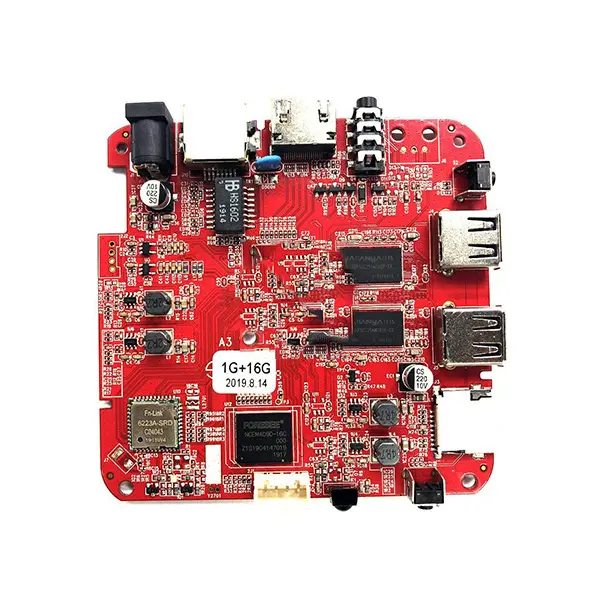
OEM Network Switch PCB Assembly--STHL Manufacturer, Factories

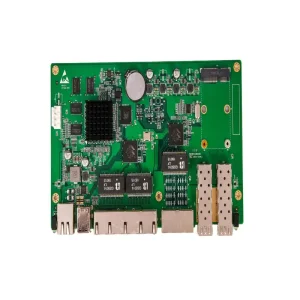
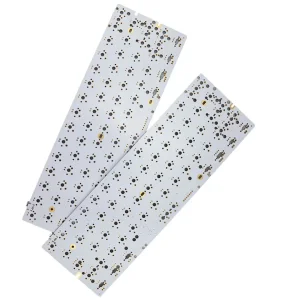
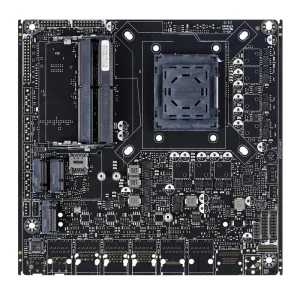
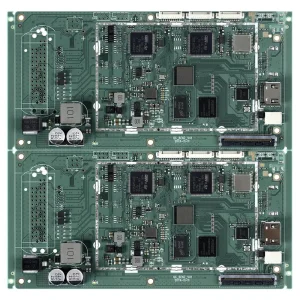
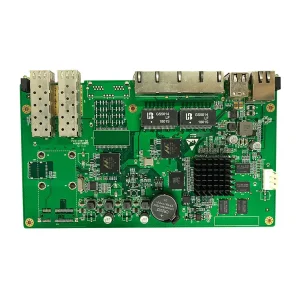
Network switch PCBs are engineered for high-speed data packet forwarding in local area networks (LANs). They integrate high-performance switching ASICs, high-speed memory, and multiple Ethernet or fiber-optic ports to enable stable and efficient data transmission. Our manufacturing process strictly focuses on precise layer alignment, impedance control, and excellent signal integrity to minimize interference and transmission loss. These professionally assembled PCBs reliably support gigabit-level and higher communication speeds, ensuring ultra-low latency for data transmission. They deliver consistent performance for enterprise networks, server rooms, and industrial communication systems, providing a stable and high-speed foundation for modern office and industrial data interconnection.

Product Description

Network Switch PCB Assembly

Early challenges in network switch PCB adoption—such as weak data signal transmission, severe electromagnetic interference (EMI), and poor electrical safety isolation in industrial and commercial network scenarios—have been overcome by specialized PCB assembly technologies, particularly rigid-flex PCBs and high-precision surface mount technology (SMT).

These innovations effectively enhance the sensitivity of analog front-ends for capturing and transmitting faint network data signals (Ethernet, fiber optic, wireless data), while integrating EMI shielding layers to eliminate interference from external network equipment, power supplies, and environmental noise. Rigid-flex PCBs, in particular, balance compact form factors with reliable high-speed signal transmission, supporting the miniaturization of network switch modules without compromising data transmission performance and network stability. This technological leap has enabled network switch PCB assemblies to outperform traditional network circuits in key areas.

Frequently Asked Questions

What are the primary challenges in network switch PCB adoption?

Historically, the primary challenges included weak data signal transmission, severe electromagnetic interference (EMI), and inadequate electrical safety isolation within industrial and commercial networking environments.

How do specialized PCB assembly technologies resolve signal issues?

By utilizing rigid-flex PCBs and high-precision Surface Mount Technology (SMT), assemblies enhance the sensitivity of analog front-ends, enabling them to reliably capture and transmit faint network data signals such as Ethernet, fiber optics, and wireless data.

What is the role of rigid-flex PCBs in modern network switches?

Rigid-flex PCBs balance compact form factors with reliable, high-speed signal transmission. This supports the miniaturization of network switch modules without compromising overall performance or network stability.

How is electromagnetic interference (EMI) managed?

Modern PCB designs integrate dedicated EMI shielding layers. These layers effectively block and eliminate interference generated by external network equipment, power supplies, and general environmental noise.

Why are these advanced assemblies superior to traditional circuits?

They combine high signal sensitivity, robust EMI shielding, compact rigid-flex physical designs, and reliable electrical isolation, ensuring maximum uptime and data integrity compared to legacy circuits.
Related Products