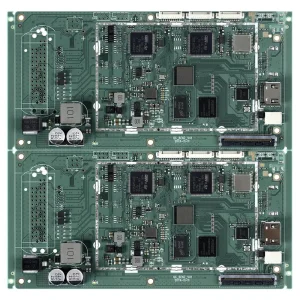
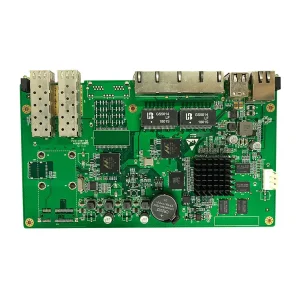
 STHL PCBA
1 / 1
Early challenges in PDU PCB adoption—such as weak power signal monitoring, severe electromagnetic interference (EMI), and poor electrical safety isolation in industrial and automotive power distribution scenarios—have been overcome by specialized PCB assembly technologies, particularly rigid-flex PCBs and high-precision surface mount technology (SMT). These innovations effectively enhance the sensitivity of analog front-ends for capturing faint power distribution signals (voltage, current, load status), while integrating EMI shielding layers to eliminate interference from power supplies, electrical equipment, and external grid noise. Rigid-flex PCBs, in particular, balance compact form factors with reliable high-current signal transmission, supporting the miniaturization of PDU modules without compromising power distribution efficiency and operational safety. This technological leap has enabled PDU PCB assemblies to outperform traditional power distribution circuits in key areas:
Enhanced sensitivity in analog front-ends allows precision capture of faint voltage, current, and load status data across operations.
Integrated multi-layer shielding eliminates severe interference originating from power supplies, external grids, and local equipment.
Maintains high-current signal transmission integrity in compact designs, supporting the miniaturization of PDU modules.
Traditional designs often struggle with weak power signal monitoring, severe electromagnetic interference (EMI), and poor electrical safety isolation in highly demanding environments like industrial and automotive fields.
High-precision Surface Mount Technology (SMT) enhances the sensitivity of the board's analog front-ends, allowing them to capture faint electrical distribution signals such as current, voltage, and changing load statuses with greater accuracy.
Rigid-flex PCBs offer a perfect balance between highly compact physical form factors and reliable high-current power transmission. This allows the overall PDU modules to be miniaturized without losing power distribution efficiency.
By integrating specialized EMI shielding layers directly into the multi-layer PCB design, assemblies can block out noises arising from power supplies, adjacent electrical gear, and external grid fluctuations.
Yes. Through advanced electrical safety isolation, high-current signal path optimization, and robust component mounting, modern PDU assemblies deliver superior operational safety under harsh conditions.