Home >
PCBA Application >
OEM Power Quality Analyzer PCB Assembly Manufacturer, Factory
1 / 1
OEM Power Quality Analyzer PCB Assembly Manufacturer, Factory
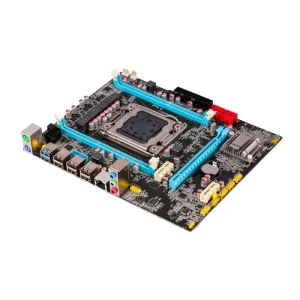
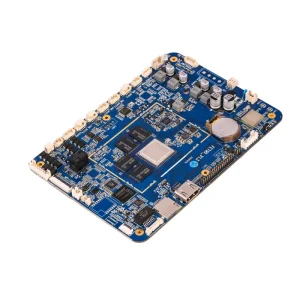
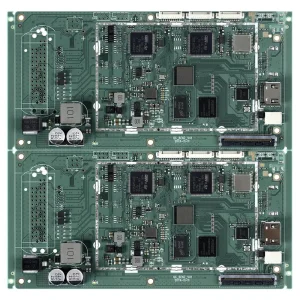
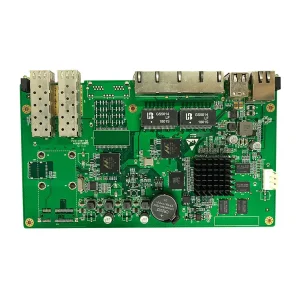
The power quality analyzer PCB is a professional "energy quality detector" for new energy systems, engineered to assess and optimize electrical power quality. It integrates high-precision data acquisition circuits, harmonic analysis modules, and waveform processing units, with strong anti-interference capabilities to ensure measurement accuracy. It monitors parameters like voltage/current distortion, harmonic content, power factor, and frequency fluctuation in new energy generation, transmission, and consumption links, providing data support for power quality improvement. Suitable for smart grids, photovoltaic power plants, energy storage systems, and industrial new energy applications, ensuring stable and efficient energy utilization.
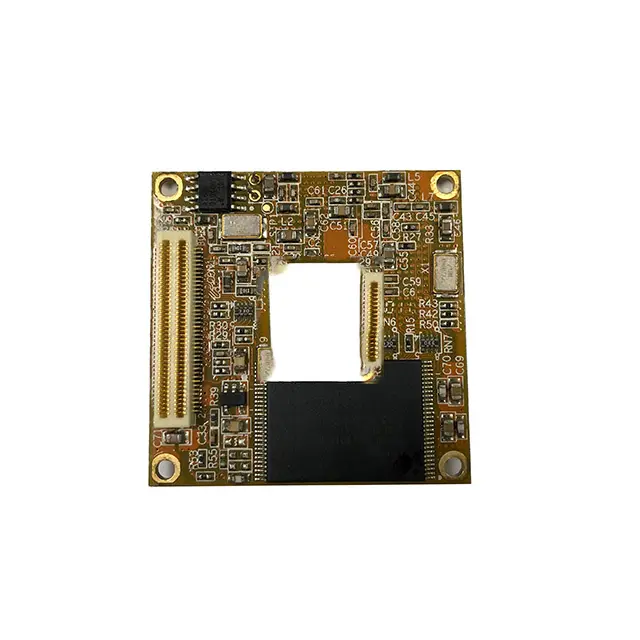
Early challenges in power quality analyzer adoption—such as weak harmonic and transient signal capture, electromagnetic interference (EMI), and poor electrical safety isolation in high‑voltage grid environments—have been overcome by specialized PCB assembly technologies, particularly high‑precision rigid‑flex PCBs and high‑precision surface mount technology (SMT). These innovations effectively enhance the sensitivity of analog front‑ends for capturing faint grid signals, while integrating multi‑layer EMI shielding layers to eliminate interference from industrial equipment and power grids. Rigid‑flex PCBs, in particular, balance compact form factors with reliable signal and power transmission, supporting the miniaturization of portable and fixed power quality analyzers without compromising measurement accuracy. This technological leap has enabled power quality analyzer PCB assemblies to outperform traditional monitoring circuits in key areas:
Signal Sensitivity
High-precision SMT enhances analog front-end performance for capturing faint harmonic and transient grid signals.
EMI Shielding
Multi-layer EMI shielding eliminates external electrical noise and interference from heavy industrial equipment.
Safety Isolation
Advanced insulation designs provide robust electrical safety isolation within high-voltage grid environments.
Rigid-Flex Design
Rigid-flex PCBs balance ultra-compact footprints with robust, reliable power and signal transmission routing.
Frequently Asked Questions
Q:
What were the primary challenges in early power quality analyzer designs?
Early designs suffered from weak harmonic and transient signal capture, high levels of electromagnetic interference (EMI), and poor electrical safety isolation in high-voltage grid applications.
Q:
How do specialized PCB assemblies solve weak grid signal capture?
By utilizing high-precision SMT (Surface Mount Technology), these assemblies significantly improve the sensitivity of analog front-ends, allowing they capture faint and transient signals with ease.
Q:
How does the design handle electromagnetic interference (EMI)?
The technology integrates multi-layer EMI shielding layers directly within the PCB design to isolate the system and eliminate noise coming from industrial machinery and electrical grids.
Q:
What role do rigid-flex PCBs play in modern power quality analyzers?
Rigid-flex PCBs allow engineers to combine rigid component-mounting areas with flexible interconnections. This balances space-saving, compact form factors with highly reliable power and signal pathways.
Q:
Do these specialized PCB assemblies support miniaturization?
Yes, they support the development of much smaller, portable, and fixed power quality analyzers without compromising on measurement accuracy or thermal safety.