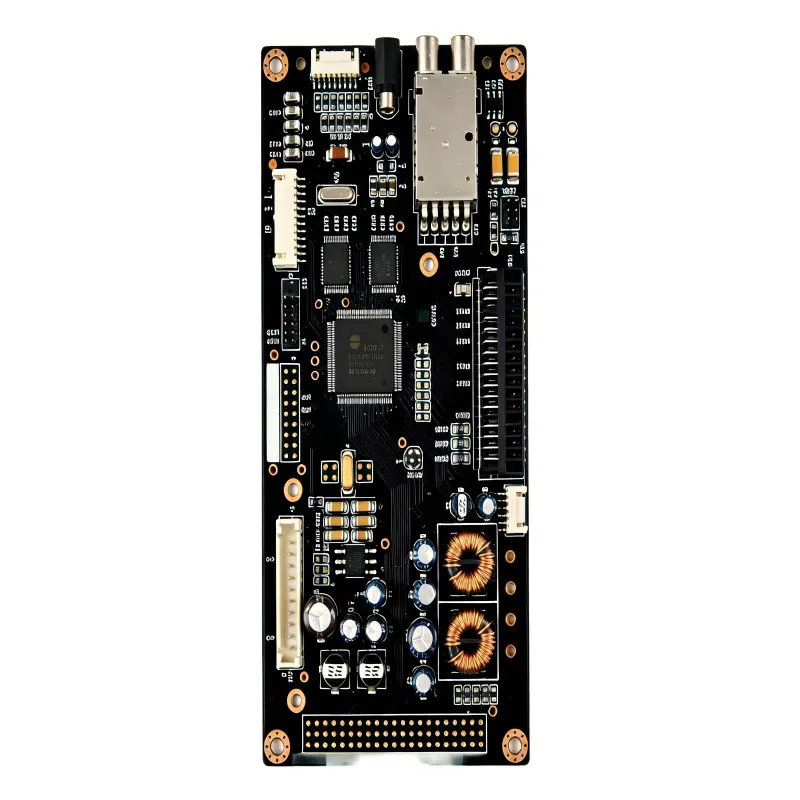
OEM Smartwatch PCB Assembly--STHL Manufacturers, Factory

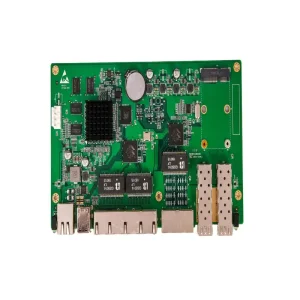
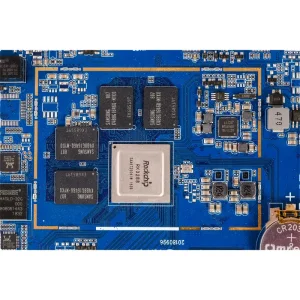
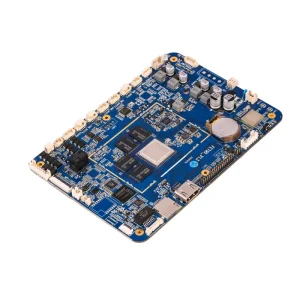
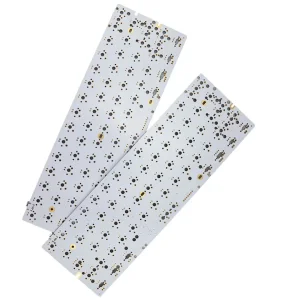
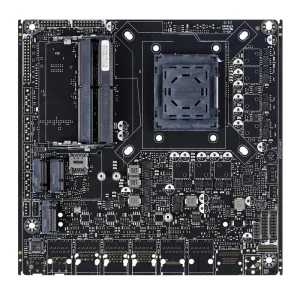
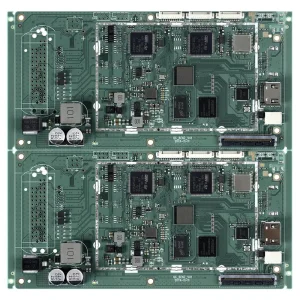
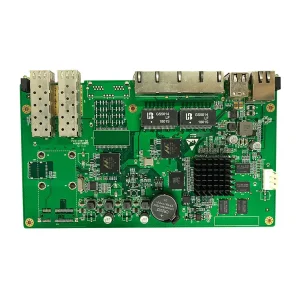
Smartwatch PCBs stand for extreme miniaturization in wearable electronics, integrating health sensors, Bluetooth modules, high-resolution displays, and efficient processors into an ultra-compact space. Rigid-flex PCBs are widely used to fit curved, limited internal structures while enhancing flexibility and strength. Our advanced SMT production lines achieve high-precision placement of microscopic components, ensuring stable soldering and consistent performance. We strictly control signal interference and power consumption to maintain reliable health monitoring and wireless connectivity. Each board undergoes durability testing to resist daily wear, vibration, and long-term use. These miniaturized, high-performance PCBs deliver stable functionality for fitness tracking, notifications, and smart life applications.

Product Description

The Evolution And Advantages Of ECG Monitor PCB Assembly

Early challenges in ECG monitor adoption—such as weak signal capture, electromagnetic interference (EMI), and poor patient safety isolation—have been overcome by specialized PCB assembly technologies, particularly rigid-flex PCBs and high-precision surface mount technology (SMT).

These innovations effectively enhance the sensitivity of analog front-ends for capturing faint cardiac electrical signals, while integrating EMI shielding layers to eliminate interference from external medical equipment.

Rigid-flex PCBs, in particular, balance compact form factors with reliable signal transmission, supporting the miniaturization of portable and wearable ECG devices without compromising performance. This technological leap has enabled ECG monitor PCB assemblies to outperform traditional monitoring circuits in key areas:
Frequently Asked Questions

What are the main technical challenges in ECG monitor PCB assembly?
The primary challenges include capturing faint biometric signals without loss, mitigating electromagnetic interference (EMI) from nearby wireless modules, and establishing absolute patient safety isolation to prevent electric shock hazards.
How does rigid-flex PCB technology benefit modern ECG monitors?
Rigid-flex PCBs offer a space-saving, highly durable design that eliminates the need for bulky connectors and cables. This allows for miniaturized, lightweight, and ergonomically shaped wearable ECG monitors that maintain high signal integrity.
What role does SMT play in manufacturing medical ECG circuit boards?
High-precision Surface Mount Technology (SMT) is critical for placing ultra-small components accurately on high-density PCBs. It ensures stable connections, reduces parasitic noise, and enhances the overall performance of the analog front-end.
How is electromagnetic interference (EMI) prevented in these assemblies?
EMI is managed by integrating dedicated internal shielding layers, optimize trace routing patterns, and separating analog paths from high-frequency digital signal circuits to block external and internal signal distortions.
Why is patient safety isolation so important for ECG PCB assemblies?
Because ECG electrodes directly contact the patient's skin, PCB designs must include specialized isolation components and physical barriers to ensure no leakage current can pass from the power supply to the user.

Related Products