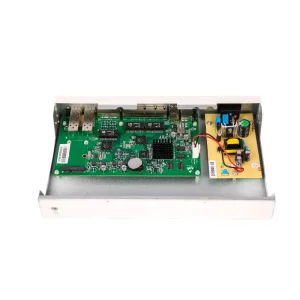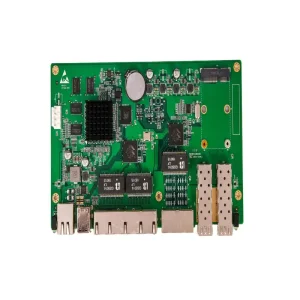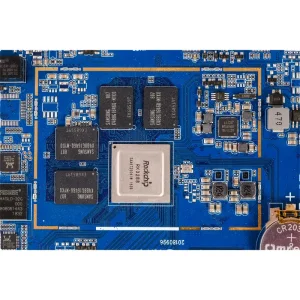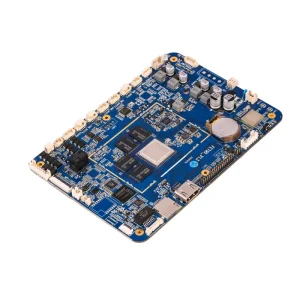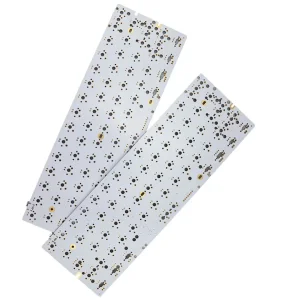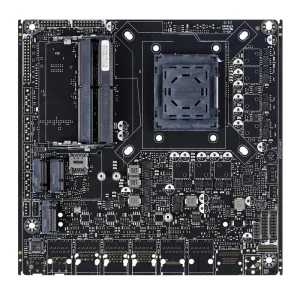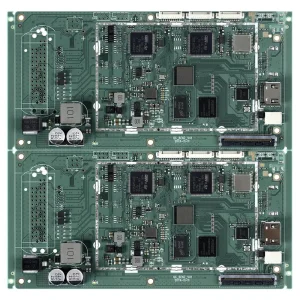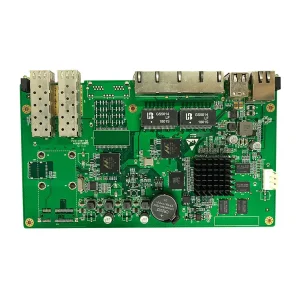
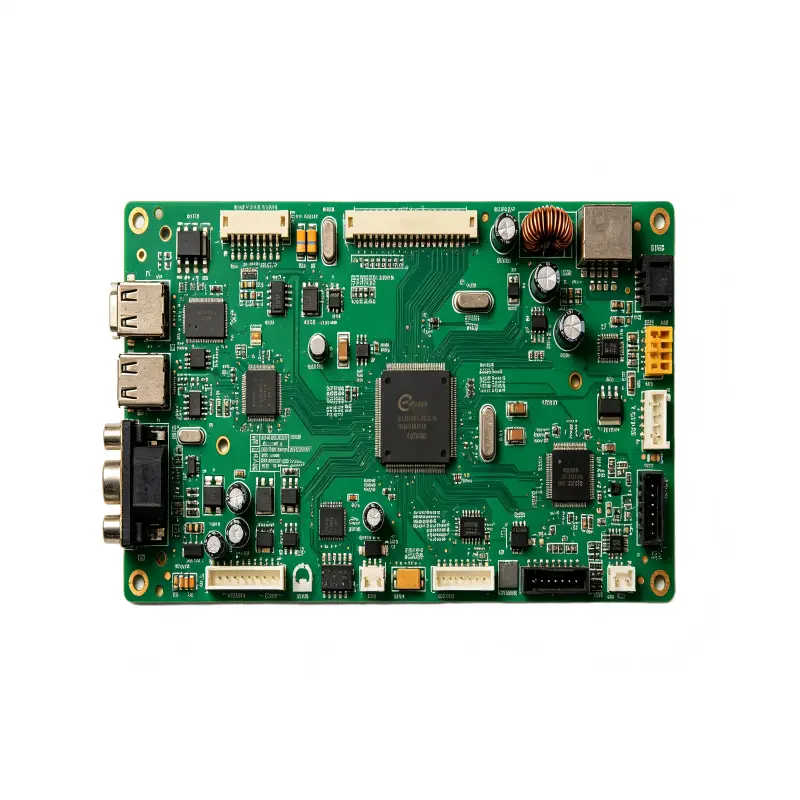
Professional PCBA assembly solutions for wireless headsets, supporting multiple wireless connection protocols such as Bluetooth and 2.4G. It integrates audio decoding, noise reduction, and power management functions, providing a free and immersive audio experience for users. We adopt high-quality components and strict soldering processes to ensure the stability of wireless signal transmission, reduce connection dropouts and noise, and adapt to gaming headsets, music headsets, and office wireless headsets, meeting the diverse needs of different user groups.
Early challenges in wireless headset adoption—such as weak wireless audio signal reception, complex electromagnetic interference (EMI), and unreliable wearable circuit safety—have been overcome by specialized PCBA assembly technologies, particularly ultra-compact rigid-flex PCBs and high-precision surface mount technology (SMT). These innovations effectively enhance the sensitivity of analog front-ends for capturing faint wireless audio and voice electrical signals, while integrating high-efficiency EMI shielding layers to eliminate interference from mobile terminals and surrounding wireless electronic devices. Rigid-flex PCBs, in particular, balance miniaturized wearable form factors with low-latency stable signal transmission, supporting the ultra-thin and lightweight design of all types of wireless headsets without compromising sound quality and connection stability. This technological leap has enabled wireless headset PCBA assemblies to outperform traditional wearable audio circuits in key areas:
Key Technical Advancements
1
Rigid-Flex PCB Integration
Balances ultra-compact, lightweight wearable form factors with reliable, low-latency signal transmission paths.
2
High-Precision SMT
Enables high-density component placement to satisfy strict miniaturization demands without sacrificing audio quality.
3
Advanced EMI Shielding
Incorporates high-efficiency shielding layers to block interference from nearby mobile devices and terminals.
4
Enhanced Analog Front-Ends
Optimizes sensitivity for capturing faint wireless audio and voice electrical signals with high fidelity.
Frequently Asked Questions
What are the primary challenges associated with wireless headset PCBA?
The primary challenges include weak wireless audio signal reception, complex electromagnetic interference (EMI) from surrounding devices, and ensuring safety and reliability within lightweight wearable circuits.
How do rigid-flex PCBs improve wireless headset performance?
Rigid-flex PCBs balance extremely compact, lightweight wearable form factors with low-latency and stable signal transmission. This supports space-saving designs without compromising on connection stability or sound output.
Why is high-precision SMT crucial for these wearable devices?
High-precision Surface Mount Technology (SMT) allows manufacturers to mount ultra-compact components very closely together, enabling high-density board designs that fit inside miniature earbud housings.
How does the PCBA design eliminate electromagnetic interference (EMI)?
The design integrates high-efficiency EMI shielding layers into the PCBA structure. These layers isolate the audio signals from high-frequency noise generated by mobile phones and other nearby wireless electronics.
What role does the analog front-end play in wireless audio circuit designs?
An optimized analog front-end enhances signal capture sensitivity, ensuring that even faint wireless audio signals and voice electrical inputs are clean, clear, and accurately processed.