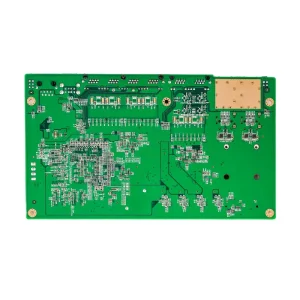
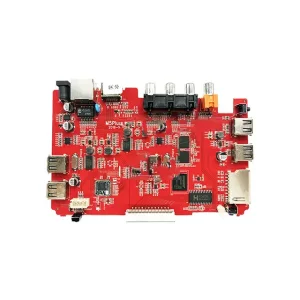
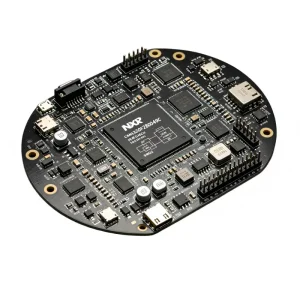
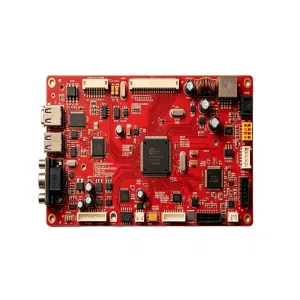
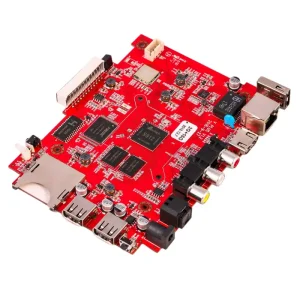
Explore our advanced manufacturing outputs utilizing state-of-the-art SMT lines and high-performance engineering controls.
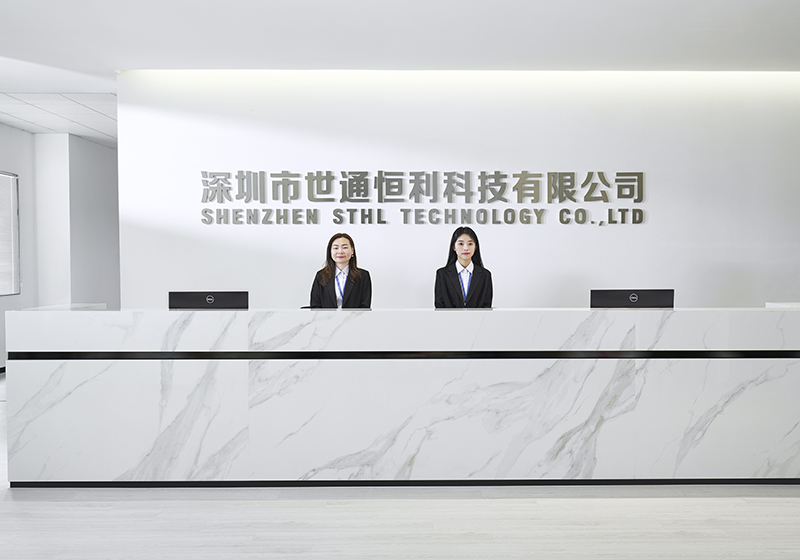
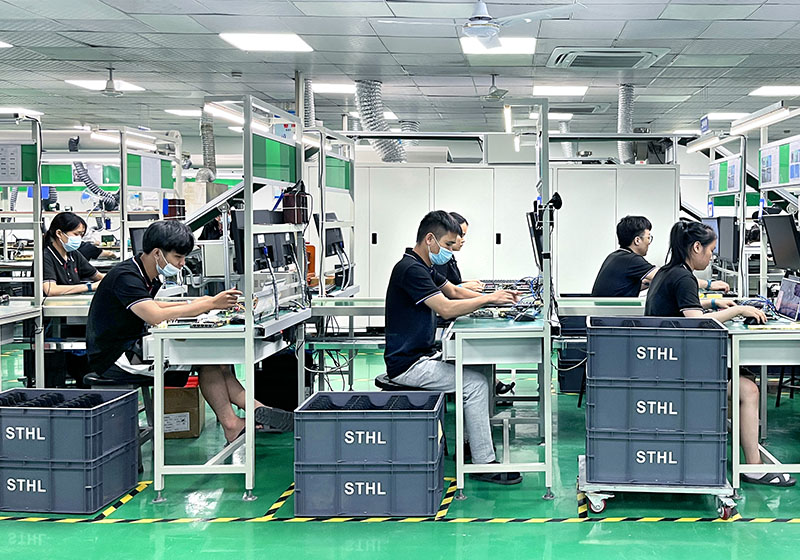
Shenzhen STHL is a premier high-quality provider of electronics manufacturing services (EMS) based in China. Founded in 2006, STHL has built 20 years of robust expertise in electronics contract assembly manufacturing. Today, our 10,000 square meter state-of-the-art facility houses 220+ highly skilled staff members operating 7 advanced SMT assembly lines, 2 DIP/THT lines, 2 specialized functional testing lines, and 2 complete finished device assembly lines.
We serve dynamic global innovators across the entire electronics lifecycle, providing seamless solutions spanning PCB layout support, component sourcing, high-grade PCB fabrication, precision PCBA assembly, customized cable assembly, mechanical box build integration, and end-of-line verification.
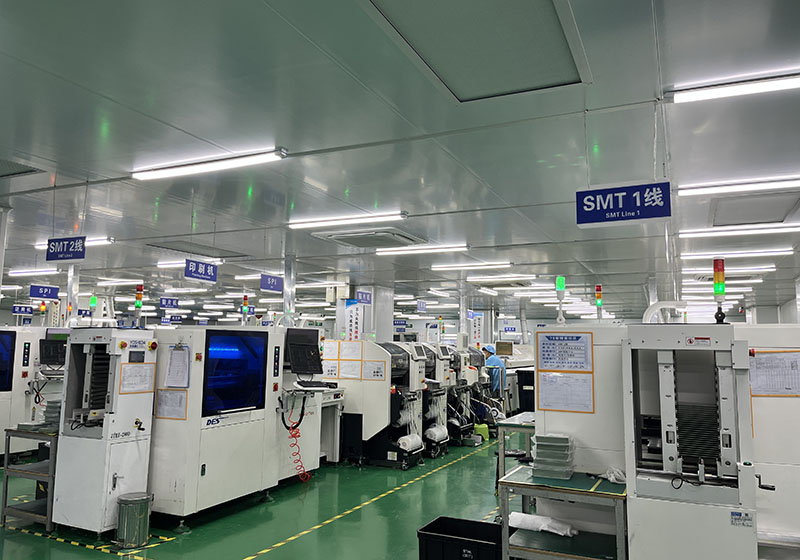
Modern product demands require ultra-dense packaging, tight footprints, and high electrical signal integrity. At STHL, we address these challenges head-on by housing high-speed pick-and-place systems that accurately handle advanced component packages.
For applications where mechanical stresses, high voltages, or thermal demands run high, Through-Hole Technology remains critical. STHL maintains dedicated wave soldering and selective soldering infrastructure designed for robust and long-lasting mechanical bonds.
Years Experience
Automated SMT Lines
Export Countries
SQM Factory Space
From prototype fabrication to large-scale industrial assembly, we deliver a full-lifecycle manufacturing pipeline.
STHL operates 7 high-speed automated PCB assembly lines designed to support rapid prototyping and volume production. SMT lines guarantee ultra-precise component alignment, while our THT capabilities offer robust mechanical connections under lead-free, RoHS compliance.
Our PCB fabrication services supply high-reliability printed circuit substrates. From single-layer boards to complex multi-layer PCBs, high-density HDI boards, flex circuits, and rigid-flex systems, we utilize only premium base laminates to strict customer specifications.
Avoid supply shortages and lead time delays. Backed by an extensive network of verified component distributors, STHL offers end-to-end component procurement, validating all passives and silicon circuits to eliminate the risk of counterfeit components.
Precision cable and wire-harness manufacturing. We manufacture bespoke cables using advanced connectors, robust strain relief systems, and shielding configurations to guarantee optimal signal integrity under demanding operational settings.
Consolidate your supply chain with our full system integration. We take your boards, integrate them into custom-molded plastics or metal enclosures, execute all required routing, apply firmware, test functionality, and package for direct shipment.
We execute rigorous testing methodologies including In-Circuit Testing (ICT), functional test jigs (FCT), and dynamic software simulations. This comprehensive process stops structural defects and electrical issues, ensuring a 100% defect-free delivery.
A comprehensive analysis of the electronics manufacturing landscape, compiled by STHL's engineering council.
As the electronics industry pivots toward artificial intelligence, electric mobility, and localized IoT ecosystems, SMT manufacturing has shifted from simple assembly to highly specialized, multi-stage micro-engineering. Buyers face volatile supply chains and must rely on partners who combine agile processes with absolute regulatory compliance.
The miniaturization of silicon architectures has driven SMT lines to implement higher density capabilities. With components like 01005 and 008004 chip resistors becoming standard in smart RF hardware, pick-and-place machines now use thermal compensation systems and high-precision laser alignment to place parts within microns.
Additionally, the rise of wide-bandgap semiconductors (GaN and SiC) in power systems requires specialized thermal paste formulations and vacuum-assisted reflow ovens to prevent micro-voiding. These technologies ensure reliable thermal transfer and prevent catastrophic board failure under high heat.
Global procurement departments are looking beyond component costs to consider total cost of ownership (TCO) and supply chain resilience. Lead time forecasting, component lifecycle status, and dual-sourcing strategies are now critical factors when choosing an EMS partner.
STHL mitigates these supply chain risks by employing automated BOM analysis tools. Our software cross-references inventory databases globally to identify end-of-life (EOL) or long-lead components early in the prototyping phase, allowing us to suggest drop-in alternatives before production is impacted.
Providing specialized manufacturing capabilities designed to meet the strict quality standards of distinct industrial sectors.
Life-critical systems like ventilator controls and non-invasive patient monitors require absolute reliability. STHL maintains a strict quality system certified to ISO 13485. We implement rigorous tracing for every solder joint and component lot, coupled with Automated Optical Inspection (AOI) and detailed functional testing to ensure all medical PCBA shipments perform flawlessly in the field.
Under-the-hood and cabin electronics must withstand continuous thermal cycling and high mechanical vibrations. Operating under IATF 16949 guidelines, our SMT lines follow structured production part approval processes (PPAP), utilizing automated optical inspection and high-reliability solder alloys to ensure failure-free operations over extended automotive life cycles.
Industrial-grade power boards, such as those used in smart grids, wastewater monitoring, and solar battery management systems, handle high electrical currents. STHL specializes in assembling heavy-copper PCBs, placing thermal vias, and applying thick conformal coatings to shield electronics from harsh environmental elements and corrosive gases.
From millimeter-wave radar to wireless networks, high-frequency signals require precise impedance control. Our manufacturing engineers work closely with substrate suppliers to audit dielectric stackups, minimizing signal attenuation through advanced reflow profiling and high-frequency vector network testing.
Our long-term commitment to technological advancement and sustainable, zero-defect manufacturing.
Design-for-Manufacturability checks analyze trace geometries, clearances, and footprint alignments prior to tooling fabrication.
Applying solder pastes with software-driven jet printing systems to optimize deposit volumes for fine-pitch components.
Inspecting printed solder paste layers in 3D prior to mounting high-speed components, preventing assembly defects before reflow.
Using nitrogen-purged multi-zone reflow ovens alongside inline 3D X-Ray Inspection (AXI) to guarantee high-integrity, void-free solder joints.
Resolving common design, engineering, and manufacturing challenges for system architects and procurement teams.
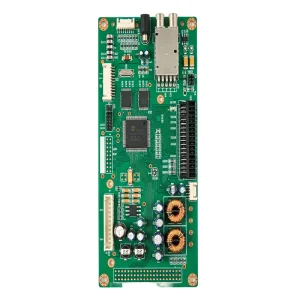
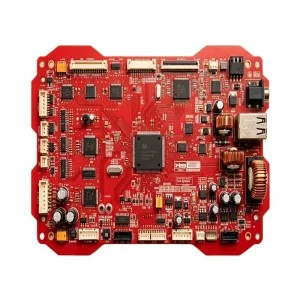
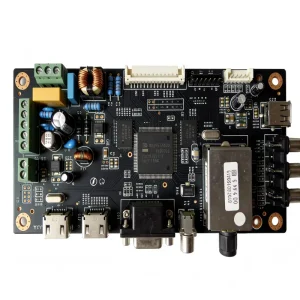
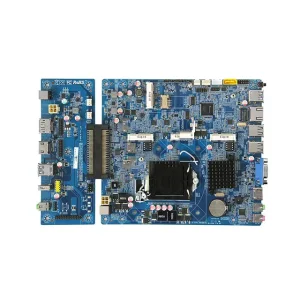
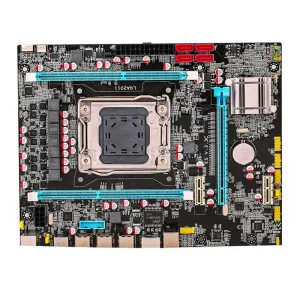
Discover our range of advanced products, showing our commitment to manufacturing precision across industries.
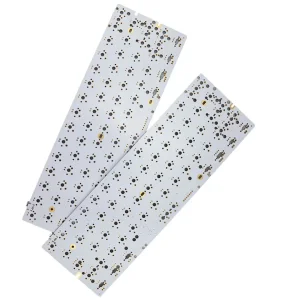
 STHL PCBA