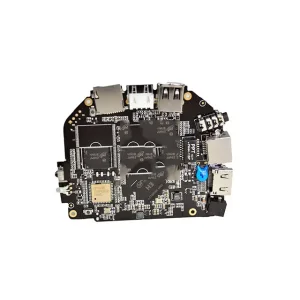
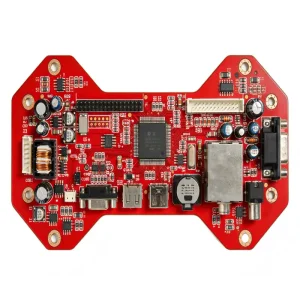
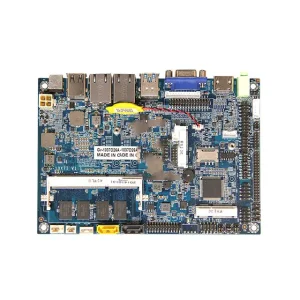
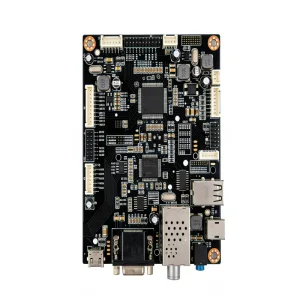
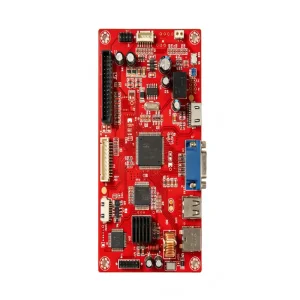
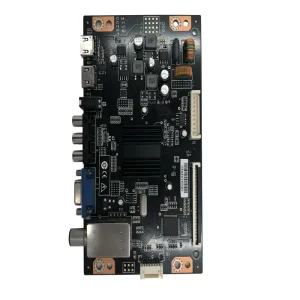
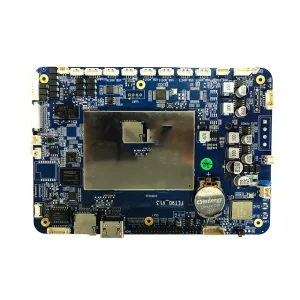
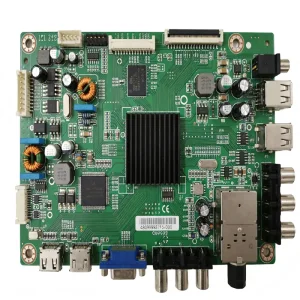
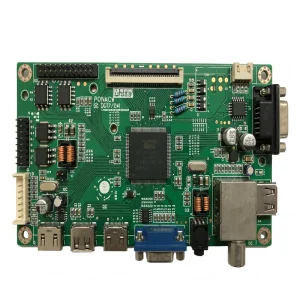
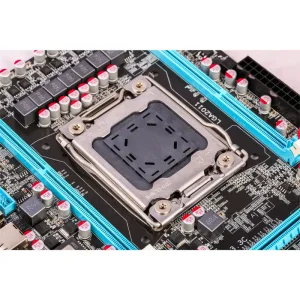
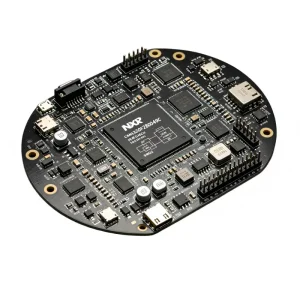
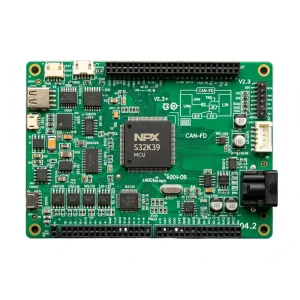
Explore our highly integrated engineering configurations, ranging from autopilot modules and specialized control boards to advanced navigation circuitry.
In the high-speed electronics industry, the transition from schematic design to physical hardware is the most critical phase of the product development lifecycle. For United States defense, medical, automotive, and aerospace innovators, local engineering iterations require maximum speed, compliance, and design security. However, as prototypes mature into pre-production and full-scale production phases, localized assembly operations frequently encounter severe bottlenecks: scaling costs, component allocation shortages, and rigid local capacities.
This is where the hybrid global manufacturing framework provides a decisive competitive advantage. While initial conceptual models (Alpha Prototypes) are frequently routed to local USA prototyping services to guarantee fast design verification, Beta and Gamma prototypes require identical processes to those of the final high-volume assembly lines. By pairing local engineering design teams with established global providers like Shenzhen STHL, Western enterprises decouple their R&D from the localized physical limitations of components availability. This workflow preserves design velocity while preparing the product for effortless scaling.
Information Gain Highlight: Industry analytics demonstrate that companies utilizing a unified prototype-to-production pipeline reduce their time-to-market by up to 37% compared to companies that switch manufacturers when transitioning from USA prototypes to overseas mass production lines.
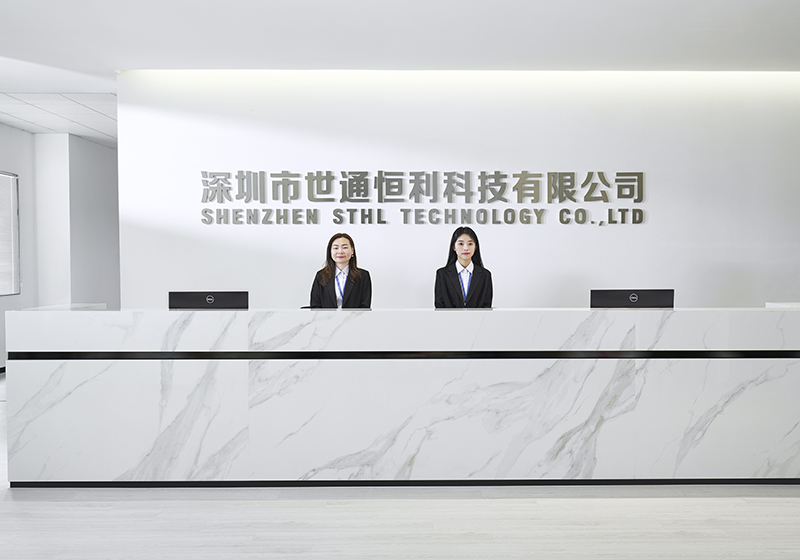
Shenzhen STHL is a premier provider of Electronics Manufacturing Services (EMS) in China, delivering end-to-end hardware solutions to global markets. We support the entire industrial lifecycle: from precise PCB layout consulting and global component sourcing to high-reliability PCB fabrication, SMT/THT assembly, box build assemblies, and comprehensive system testing.
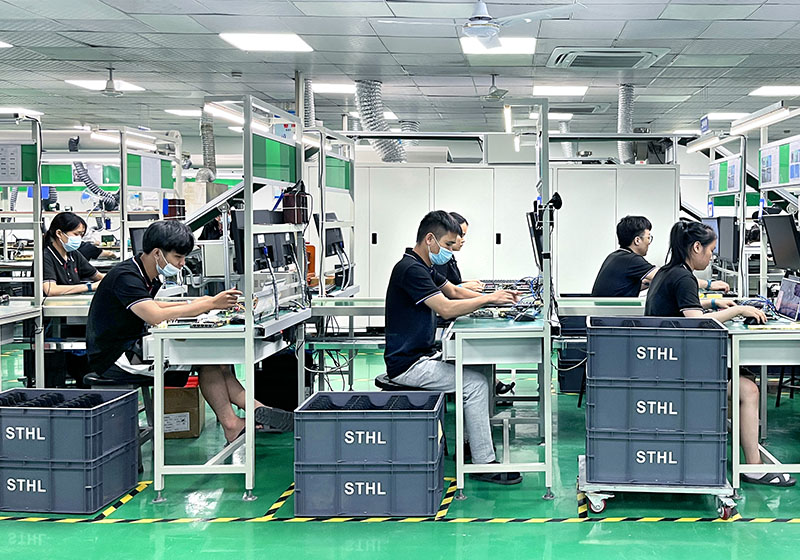
Established in 2006, STHL has built 20 years of robust experience in electronic contract manufacturing. Today, our 220+ skilled engineers and operators operate a modern 10,000 sqm production facility housing 7 SMT assembly lines, 2 DIP/THT lines, 2 functional testing lines, and 2 complete box-build integration lines.
As an IATF 16949 (Automotive), ISO 9001, ISO 14001, and ISO 13485 (Medical) certified assembly manufacturer, our processes align with IPC-A-610 Class II and Class III standards. Based on rigorous materials analysis, advanced inspection systems (AOI, 3D X-Ray, ICT, and custom FCT), we guarantee high-efficiency operations for clients in the US, Germany, Italy, the UK, Poland, and over 90 regions globally.
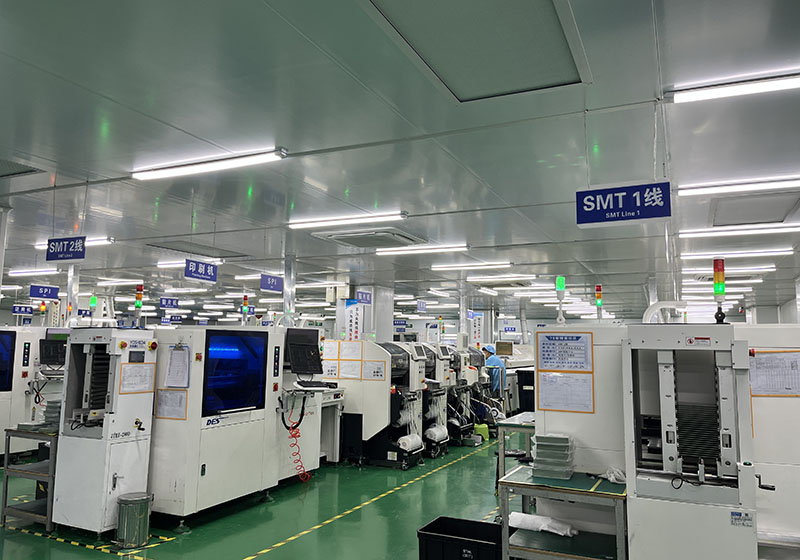
Our surface mount assembly configuration is optimized for micro-miniature, high-density, and high-frequency PCBA prototypes. We regularly handle advanced architectures including:
By employing inline 3D SPI (Solder Paste Inspection), AOI (Automated Optical Inspection), and real-time process closed-loops, STHL ensures that even the most complex SMT prototypes bypass common manufacturing defects like head-in-pillow, tombstoning, and solder balling.
For high-power, industrial controls, and extreme-vibration applications, Through-Hole Technology remains indispensable. STHL offers a balanced mix of manual dexterity and high-efficiency automation to process complex hybrid boards:
We execute thorough inspection regimens, including visual, functional, and electrical tests, verifying structural integrity before shipment.
A comprehensive ecosystem designed to take your raw designs and deliver validated, market-ready electronic assemblies.
We run 7 automated SMT lines and 2 THT lines. These lines are configured for rapid prototype changing as well as low-to-medium volume production runs. Advanced IPC-compliant solder pastes and high-speed pick-and-place lines ensure reliable joints.
From complex multilayer FR4 and high-frequency Rogers boards to flexible and rigid-flex configurations, STHL controls every step of raw board manufacturing. We achieve tight tolerances, consistent impedance, and clean via plating.
Leverage our extensive supply chain network to bypass part allocation bottlenecks. We purchase active and passive components directly from franchised distributors (Digikey, Mouser, Arrow, Avnet) and verified manufacturers to eliminate counterfeit risks.
Integrated wiring looms, coaxial assemblies, flat ribbon structures, and heavy power cables. Our cable assembly workflows integrate connector potting, custom strain reliefs, and electrical continuity verification.
STHL manages the entire integration path: mounting the PCBA into structural metal, plastic, or custom molded enclosures, running final cable routings, mounting switches, displays, and installing firmware.
We eliminate dead-on-arrival (DOA) risks using comprehensive Functional Testing (FCT). Our engineers construct custom testing fixtures, simulating real-world operating environments to test voltage levels, signal transitions, and interface functions.
In high-tech sectors, localized prototyping services in regions like the USA play an important role during the earliest design stages. However, scaling a prototype into production requires access to a complete hardware ecosystem. Shenzhen, the global hub of electronics manufacturing, offers an unparalleled concentration of component distributors, fabrication raw materials, molding services, and engineering support services.
This localized concentration of suppliers allows STHL to bypass typical supply chain delays. When a design requires specialized components, high-density interconnections, or multi-day turnaround cycles, we source materials locally within hours. This compares to the multi-week logistics pipelines typical of isolated local fabricators.
Before any production begins, our engineering team performs a thorough Design for Manufacturability (DFM) review. We scrutinize the bill of materials (BOM) to find obsolete or long-lead components, suggesting drop-in replacements that maintain performance while reducing costs. This direct intervention ensures that prototypes transition smoothly into reliable mass production runs.
We maintain certified Quality Management Systems: ISO 13485 for medical device assemblies and IATF 16949 for automotive electronics. These systems ensure that all prototype batches are documented and traced with the same care as high-reliability production runs. We control solder paste density, component alignment, and reflow profiles, providing complete process transparency to our international customers.
Supply Chain Security Note: To mitigate the risks of counterfeit components, STHL runs a secure inspection lab featuring automated X-Ray analysis, component decapsulation, and value testing. This inspection ensures that only authentic, certified components are placed onto your boards.
From industrial automation to life-critical medical equipment, our custom electronics are engineered to meet demanding requirements.
Modern electronic products require specialized production setups tailored to their final environments. STHL has optimized its SMT and THT assembly lines to support several key industrial sectors:
Automotive electronics demand stable performance across wide temperature ranges, high vibration, and moisture. Our specialized processing for Electronic Stability Programs (ESP) and Autopilot Modules features void-free BGA soldering, selective conformal coating, and strict IATF 16949-compliant inspections to ensure long-term road reliability.
For systems like Inertial Navigation Systems (INS) and VOR Receivers, maintaining signal integrity and low electromagnetic interference (EMI) is critical. We use multi-layer impedance matching, controlled-depth drilling, and high-frequency shielding to prevent signal degradation in demanding flight conditions.
Medical hardware requires high reliability and compliance with strict standards. We assemble complex Medical Imaging Workstations, ventilators, and biometric systems. Our ISO 13485 processes ensure full component traceabilities and systematic quality testing for every batch.
Power control systems, Programmable Logic Controllers (PLCs), and heavy machinery control units require heavy-copper PCBs, high-clearance layouts, and durable solder joints. Our lines handle thick copper layers and large through-hole components to support heavy current demands and prevent thermal failures.
Answers to common questions about prototype validation, component sourcing, global logistics, and quality assurance standards.
Explore our broader manufacturing capabilities, highlighting our experience across diverse industrial, medical, and communication applications.
 STHL PCBA