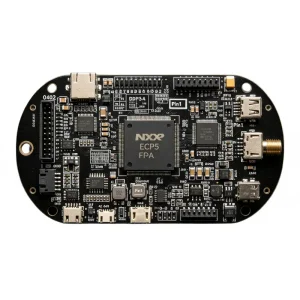
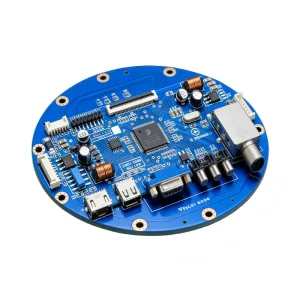
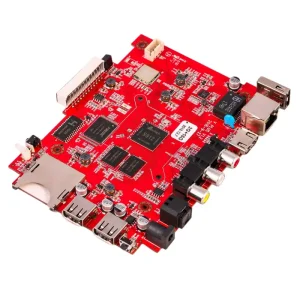
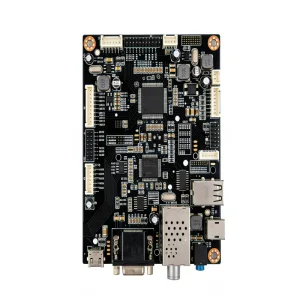
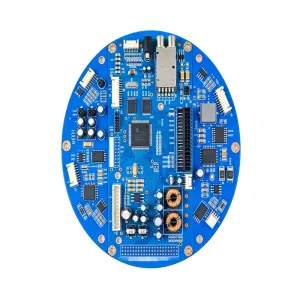
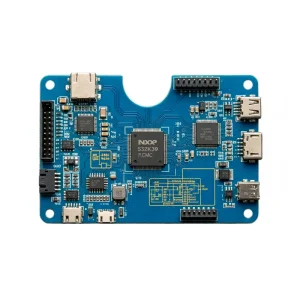
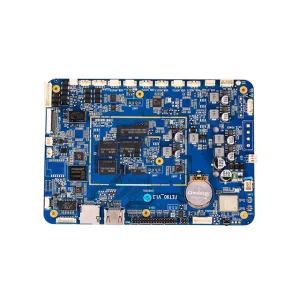
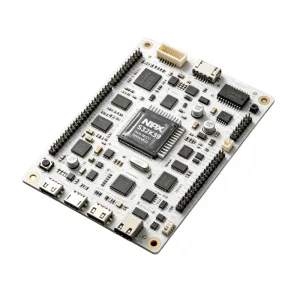
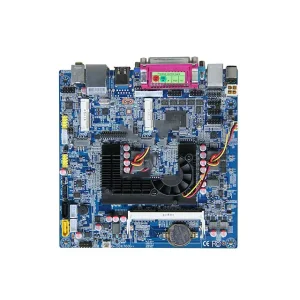
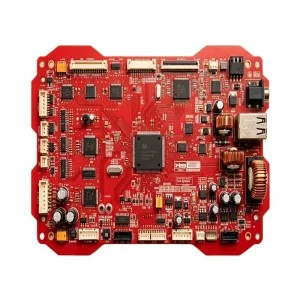
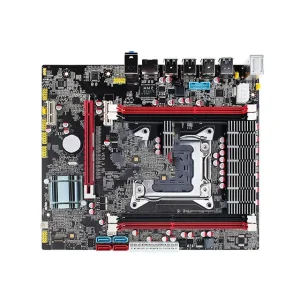
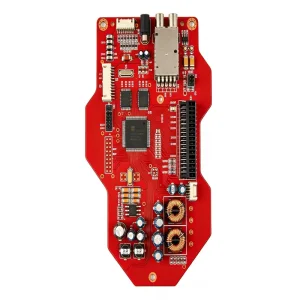
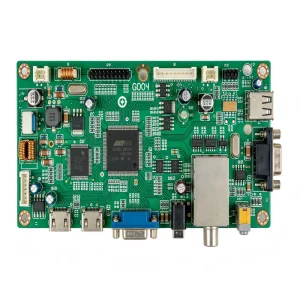
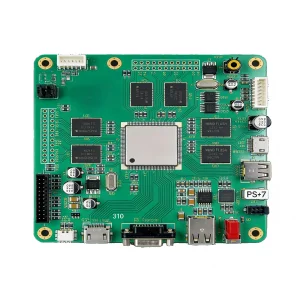
Explore our industrial PCB assembly capabilities across smart consumer appliances, commercial infrastructure, and safety-critical platforms.
Analyzing the paradigm shift in heavy industrial, medical, and energy infrastructure interconnect technologies.
Industrial settings are heavily saturated with wireless interference and magnetic noise. STHL assemblies leverage high-density copper braiding, foil wrap shielding, and custom drain wire designs to preserve signal integrity and eliminate crosstalk.
Utilizing high-performance outer jacket materials such as PUR, PVC, and PTFE (Teflon), our cable assemblies resist corrosive chemicals, abrasive oil exposure, extreme temperatures, and high flex fatigue.
All wiring harness assemblies are processed and evaluated in absolute compliance with Class 3 standards for medical devices and critical aerospace or machinery applications, ensuring zero field failures.
From advanced SMT component mounting to rugged through-hole technology, we guarantee standard-compliant quality.
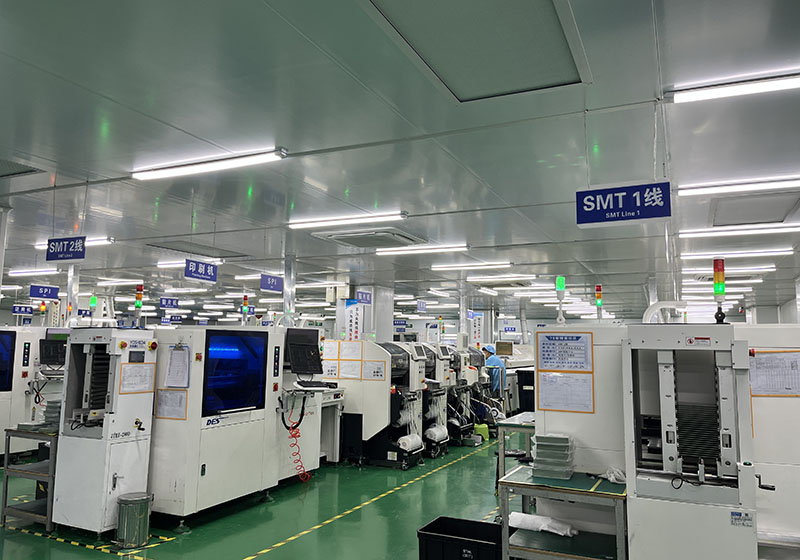
STHL operates high-precision automated surface-mount placement systems, ensuring that even high-density, miniature layouts are assembled with reliability. We can handle a wide range of advanced components, including:
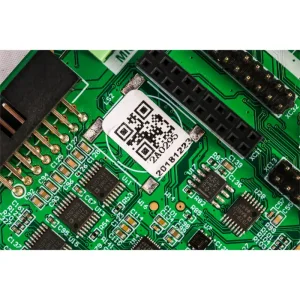
Our commitment to quality goes beyond component expertise. We utilize advanced inspection techniques, including AOI (Automated Optical Inspection) and 3D X-Ray, to guarantee flawless assembly across every run.
For industrial systems subjected to extreme mechanical vibrations or high thermal loads, Through-Hole assembly remains vital. STHL PCBA excels in THT assembly, featuring:
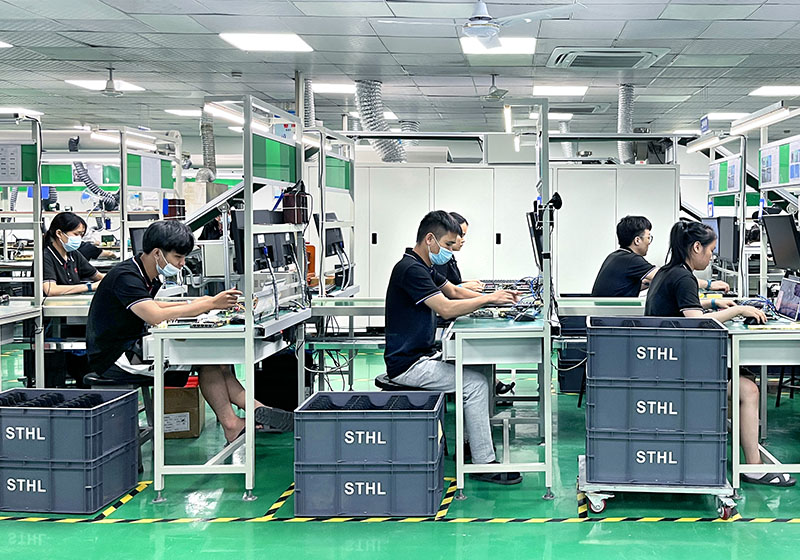
Established in 2006, Shenzhen STHL has grown into a mature, full-scale electronics manufacturing services (EMS) provider. Our 10,000 sqm ISO-certified facility features:
We serve customers worldwide along the whole industry chain including PCB layout, component sourcing, PCB fabrication, PCBA assembly, custom cable assembly, and final enclosures. All processes comply with automotive (IATF16949), medical (ISO13485), and environmental (ISO14001, RoHS) certifications.
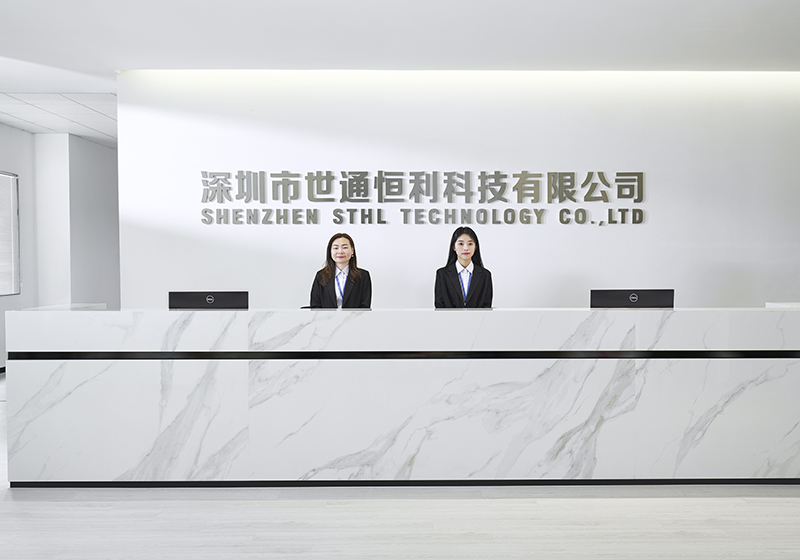
Our integrated approach bridges raw electronic component sourcing to complete system integration.
STHL operates 7 automated PCB assembly lines for both prototype and mass production. Advanced SMT ensures precise component placement and quality. Skilled technicians provide efficient THT assembly and RoHS-compliant lead-free soldering.
STHL PCB fabrication service produces high-quality, reliable printed circuit boards from simple singles to complex multi-layers, from flex PCB to rigid-flex PCB. We use premium materials and controlled processes to meet precise specifications.
STHL offers global electronic component sourcing and supply chain solutions. Our vast supplier network and expertise ensure access to genuine, certified parts, mitigating risks of counterfeits, allocation, and long lead times to secure your production schedule.
With the precision manufacturing of cable assembly components including handles, retention systems, connectors, and shielding in a wide range of materials and finishes, we have performed many successful cable assemblies for many customers from various industrial applications.
Making your projects at STHL from SMT assembly to box build assembly is very cost-effective and fast to market. Covering everything from putting a PCBA into the enclosure with all functions testing to a complete product assembly packaged and ready for delivery to your customers, we can supply the full support.
STHL conducts functional testing (FCT) to verify product performance, preventing defects such as circuit issues, missing or incorrect components. This ensures delivered products are stable and fully qualified.
How customized harness routing solves specific challenges across key global sectors.
In highly dynamic robotic arm applications, cable harnesses experience constant twisting and multi-axis bending. STHL supplies custom drag-chain cables using polyurethane (PUR) jackets that endure millions of continuous flex cycles without copper cracking or signal degradation.
Outdoor utility-scale solar farms present high UV exposure, moisture, and extreme seasonal temperatures. Our rugged PV cable assemblies are designed with cross-linked polymers to prevent degradation, sealing out dust and moisture to ensure sustained power delivery.
Diagnostic equipment like MRI and X-ray systems demand low noise floor cables to carry microvolt analog signals. STHL integrates ultra-dense double-shielded twisted pairs and molded strain reliefs that comply with ISO 13485 biocompatibility and cleanroom protocols.
High current EV chargers produce significant heat. We design hybrid cables combining copper power cores with temperature sensors and high-speed data lines, allowing continuous monitoring of liquid cooling loops and power delivery.
With smart grids and home security networks demanding continuous uptime, STHL manufactures assemblies for video doorbells and smoke detection systems using halogen-free materials (LSZH) that do not release toxic fumes during high heat.
Driving innovations to address high speeds, compact footprints, and sustainable industrial growth.
Consolidating traditional four-pair Ethernet to a single pair. Reduces cable weight by up to 40% and simplifies routing inside heavy industrial enclosures without reducing bandwidth.
Combining high-voltage power lines with optical fibers or shielded sensor wire in a single overmolded harness, reducing connectors and saving space.
Utilizing generative layout software to run simulations on high-frequency signals, optimizing trace topology and shielding before manufacturing prototype tooling.
Replacing traditional chlorinated paraffins with bio-based, recyclable elastomers that align with strict EU RoHS and global environmental goals.
Operating from Shenzhen, the global hub of electronics, STHL leverages a mature logistics network to lower manufacturing costs and shorten lead times.
Our localized supply ecosystem enables fast response at every phase of the project:
We work to eliminate structural risks. From incoming materials inspection to final automated testing, we operate under a strict quality management system.
Expert answers to common engineering, procurement, and standards questions.
Explore our industrial monitor platforms, communication boards, power converters, and security electronics.
 STHL PCBA