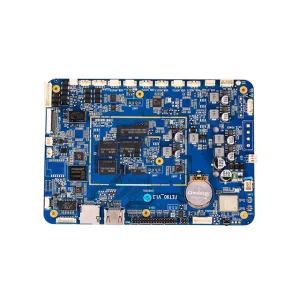
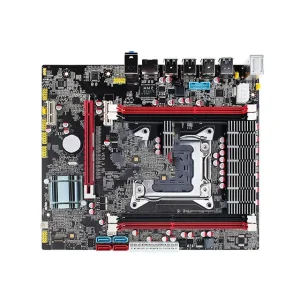
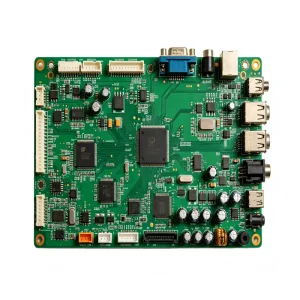
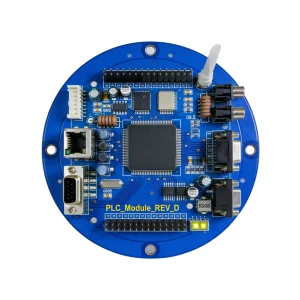
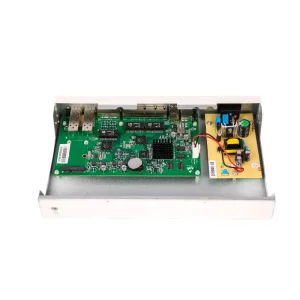
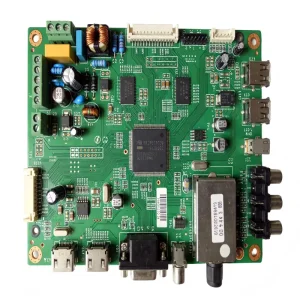
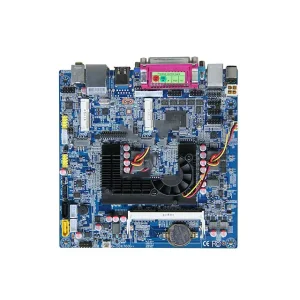
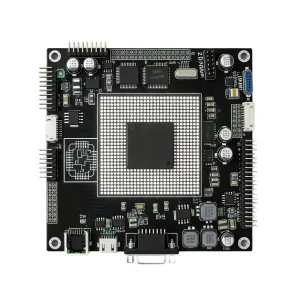
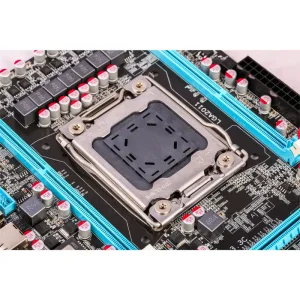
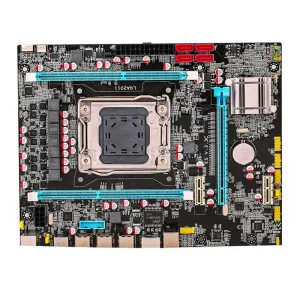
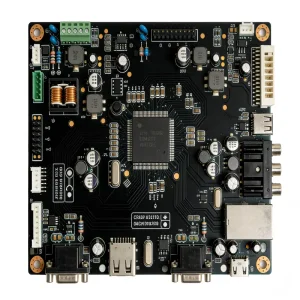
Explore our premium product series featuring high-precision hardware systems developed for global enterprise standards.
In the rapidly evolving landscape of global electronics manufacturing, the transition from schematic design to physical hardware represents a critical juncture. Original Equipment Manufacturer (OEM) PCB prototyping is not merely a preliminary step; it is the ultimate empirical validation of signal integrity, power distribution, thermal dynamics, and mechanical compatibility. As system complexity increases with high-density interconnect (HDI) substrates, fine-pitch arrays, and high-frequency communication protocols, engineers require prototyping processes that mirror the precision of end-stage mass manufacturing.
An optimized prototyping cycle mitigates structural risks, verifies component footprints, and allows for thorough Design for Manufacturability (DFM) verification. Standard prototyping houses often treat quick-turn orders as isolated runs, neglecting the eventual complexities of high-volume mass production. In contrast, advanced smart factories integrate high-volume manufacturing practices directly into the rapid-prototyping phase. This ensures that the test vehicle assembled in the laboratory functions identical to the millions of units eventually deployed in the field.
"A robust OEM PCB prototyping partner bridges the gap between laboratory concepts and commercially viable high-yield production, validating engineering assumptions with rigorous testing protocols."
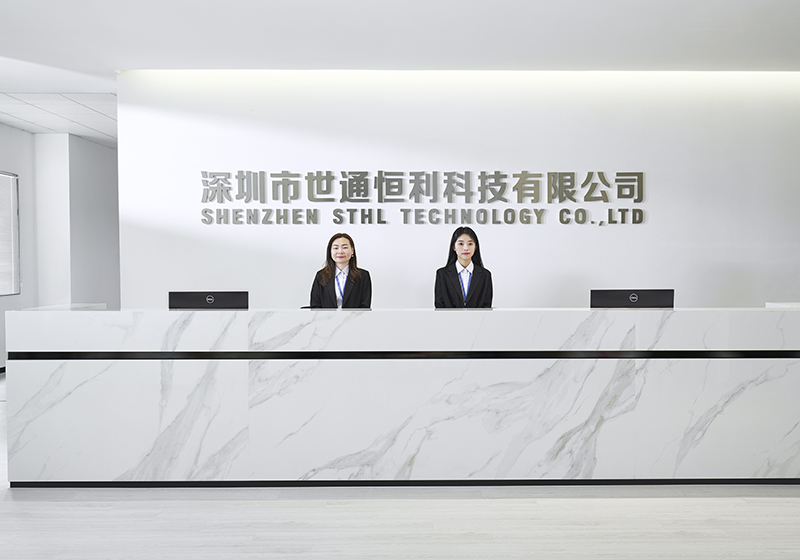
Established in 2006, Shenzhen STHL is a premier, high-quality provider of electronics manufacturing services (EMS) in China. With nearly 20 years of specialized contract assembly manufacturing experience, we serve customers worldwide along the entire industry chain, delivering end-to-end solutions.
Our core services span PCB layout, components sourcing, PCB fabrication, PCBA assembly, cable assembly, box build assembly, and comprehensive reliability testing. Currently, STHL boasts a team of 220+ high-skilled staff members. Our modern 10,000 sqm facilities feature:
Our primary clientele originates from regions including the USA, Germany, Italy, UK, Poland, New Zealand, Argentina, Brazil, Turkey, Korea, Thailand, and 90 other countries.
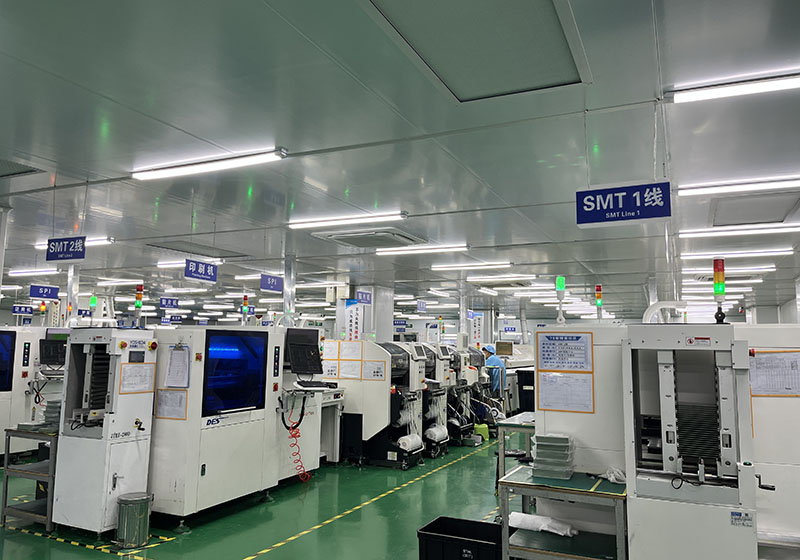
Surface Mount Technology (SMT) is the backbone of modern high-density hardware. STHL handles a wide range of advanced components with extreme precision:
We implement Automated Optical Inspection (AOI) and X-ray inspection to detect voiding, bridging, and alignment deviation, ensuring reliable solder joint connectivity on critical contact points.
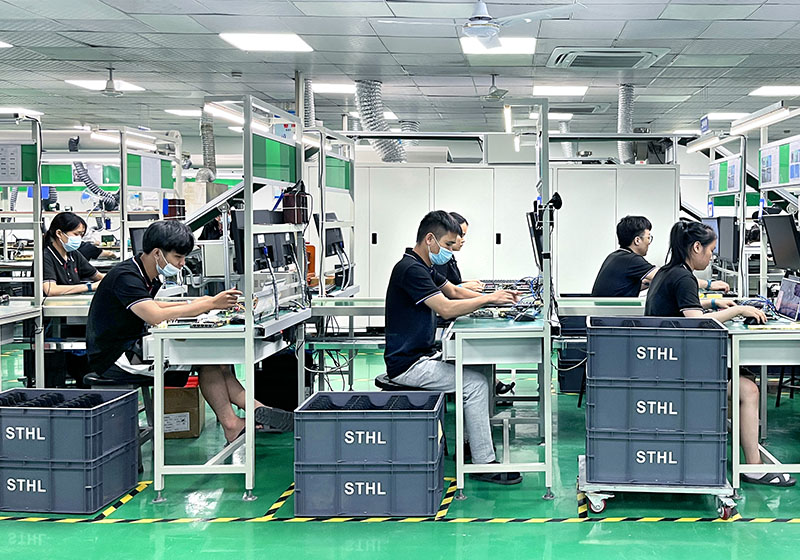
For industrial, automotive, and power distribution systems, Through-Hole Technology (THT) remains crucial for components subjected to mechanical and thermal stress. Our capabilities include:
Comprehensive turnkey solutions designed to scale your electronics design from raw schematics to market-ready products.
We operate 7 automated assembly lines handling prototype and mass production. High-speed placement heads and selective wave soldering ensure IPC-A-610 Class II/III build standard compliance.
From simple single-sided circuits to complex multi-layer HDI boards, rigid-flex, and metal core PCBs, we support diverse substrate materials, custom copper weight, and controlled impedance stack-ups.
Leveraging a global supply network, we source genuine, traceable active and passive components. Anti-counterfeiting protocols, factory packaging checks, and alternative part validation are standard.
Precision cable harness design incorporating complex connector systems, shielding layers, strain relief components, and protective jackets, optimized to perform in rugged environments.
Complete mechanical enclosure integration from plastic/metal parts placement to system wiring, sensor alignment, and final packaging. Transition seamlessly from bare boards to boxed units.
Comprehensive diagnostic validation using customized test jigs. We perform Flying Probe Testing, In-Circuit Testing (ICT), Boundary Scan, and functional routines to ensure 100% stable out-of-box operation.
The centralization of electronics manufacturing in South China, particularly the Shenzhen industrial ecosystem, has facilitated a level of supply chain speed and adaptability unmatched anywhere in the world. STHL leverages this hyper-connected hub by deploying intelligent manufacturing techniques. Our transition towards Factory 4.0 elements includes real-time material tracking, automated storage systems for sensitive components, and networked reflow ovens. These tools ensure thermal profiling records are kept for critical automotive and medical assemblies.
Supply chain resilience relies on risk mitigation. By maintaining relationships with multiple authorized component distributors and primary semiconductor factories, STHL offsets common bottlenecks like allocation cycles and sudden component obsolescence. Furthermore, our engineering team routinely conducts proactive cross-reference searches. We present hardware designers with secondary part options during the Bill of Materials (BOM) review, protecting the manufacturing path from single-source supply risks.
Automated SMT lines reduce manual errors. Optical inspection equipment (SPI & AOI) analyzes solder paste height, volume, and component alignment dynamically. This feedback loop adjusts pick-and-place positions in real-time, driving DPMO (Defects Per Million Opportunities) towards zero.
As electronic designs trend towards higher component density, reduced layer thickness, and increased switching speeds, STHL is continuously expanding its production capabilities to align with industrial trends:
Integrating microvias, stack-up arrays, and via-in-pad plating technology to support next-generation BGAs down to 0.25mm pitch, maintaining low signal loss for RF and high-speed processors.
Utilizing high-performance polyimide films combined with FR4 materials to construct reliable multi-layer rigid-flex boards designed for wearable devices and military applications.
Expanding the use of low-temperature lead-free solder alloys to reduce carbon footprint, and minimizing hazardous waste output in compliance with strict ISO 14001 guidelines.
Our processes are optimized to meet the strict quality standards of specialized vertical markets:
Navigating foreign trade and regulatory frameworks represents a substantial challenge for procurement managers. STHL bridges this gap by ensuring localization support and strict compliance alignment for every project we assemble. We supply full documentation packages including:
Additionally, our logistics network provides multiple shipping modes, including door-to-door delivery with duty-paid services (DDP), smoothing the custom clearance process for clients across North America, the European Union, and the Asia-Pacific region.
Direct technical answers to common queries raised by procurement managers and hardware design engineers.
Explore our specialized range of high-performance assemblies engineered to support demanding industrial environments.
 STHL PCBA