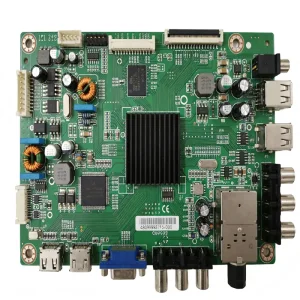
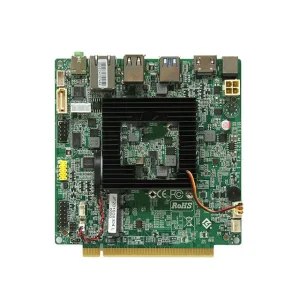
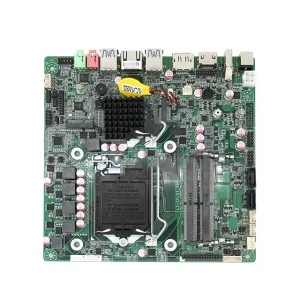
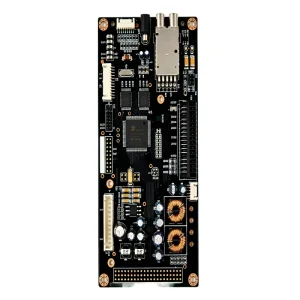
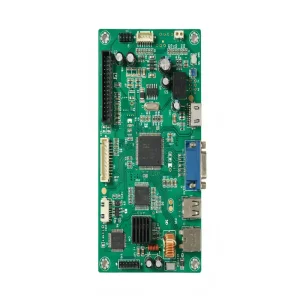
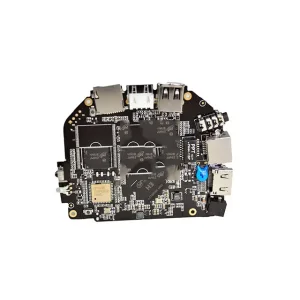
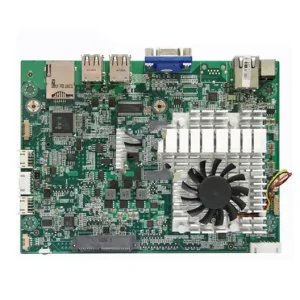
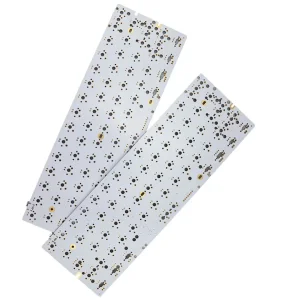
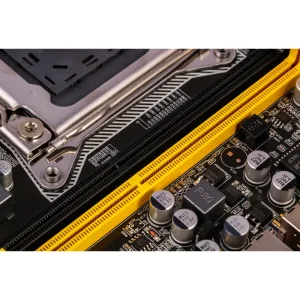
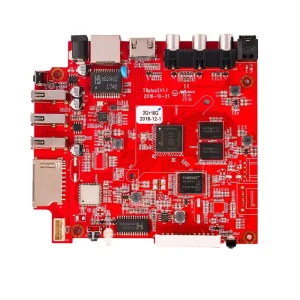
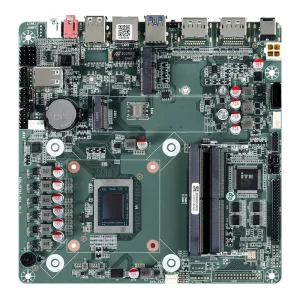
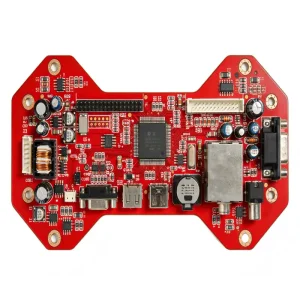
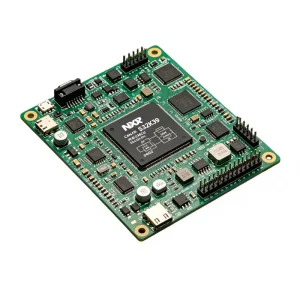
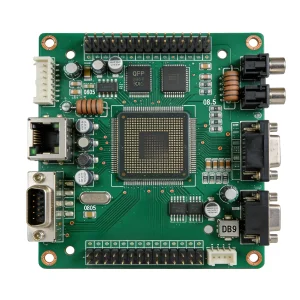
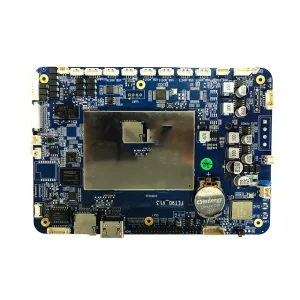
High-precision SMT, THT, and box-build solutions engineered to meet the demanding specifications of diverse industrial applications.
Analysis of the global market status, reliability profiles, and structural significance of single-sided print design.
In the rapidly evolving landscape of electronics, the single-sided printed circuit board (PCB) remains the bedrock of cost-efficient, high-volume production. Far from being legacy technology, modern Single-Sided PCBs are critical components in thermal management, high-output LED matrices, power conversion modules, and consumer control interfaces. As global markets transition toward smarter infrastructure and renewable energy systems, the demand for simplified, ultra-reliable routing platforms has escalated.
OEM Single-Sided PCB Manufacturing involves precise fabrication and assembly processes optimized to eliminate failure pathways. Unlike multi-layer alternatives, single-sided architectures avoid internal delamination risks under thermal stress, making them ideal for high-vibration and high-temperature environments. Our comprehensive end-to-end services ensure that from substrate selection to SMT/THT insertion, your product maintains structural integrity, cost efficiency, and full compliance with strict international quality norms.
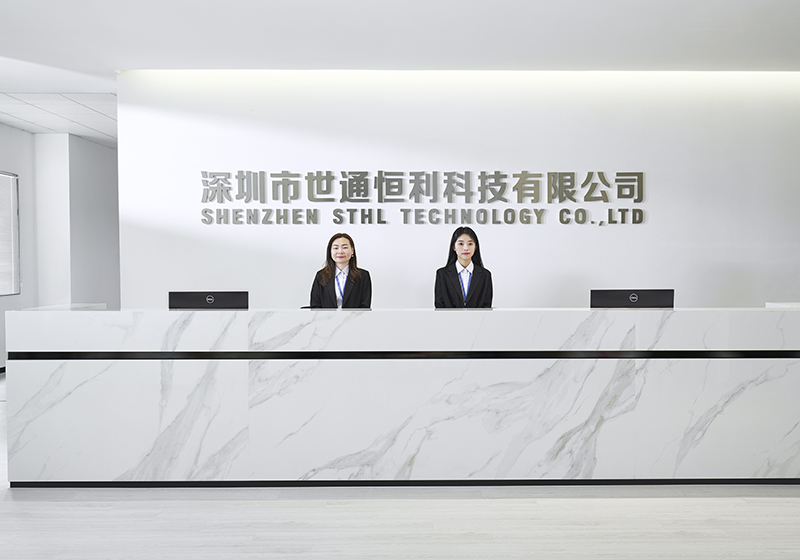
Shenzhen STHL is a high-quality provider of electronics manufacturing services (EMS) in China. We serve customers worldwide along the whole industry chain including PCB layout, components sourcing, PCB fabrication, PCBA assembly, cable assembly, box build assembly, and comprehensive testing services.
It was established in 2006, with 20 years of experience in electronics contract assembly manufacturing. Currently, STHL has 220+ staff members. Our 10,000 sqm facilities include 7 SMT assembly lines, 2 DIP/THT lines, 2 function testing lines, and 2 finished device assembly lines.
At STHL, we provide electronics assembly services for energy power, communications, automotive, medical, consumer electronics, computers & storage, safety & security, commercial and industrial products. Our customers mainly come from USA, Germany, Italy, UK, Poland, New Zealand, Argentina, Brazil, Turkey, Korea, Thailand, and other 90 regions of the world.
As an IATF16949, ISO9001, ISO14001, and ISO13485 certificated electronics assembly manufacturer, we produce products that exactly comply with RoHS standards and quality guarantees. Based on our excellent engineering and production capacities in technical areas such as materials analysis & storage, advanced equipment, reliability testing (AOI, X-RAY, ICT test, and function test), and highly effective SMT and THT assembly, we are recognized as a long-term reliable PCBA vendor by more and more customers worldwide. We welcome you to visit the STHL factory at any time.
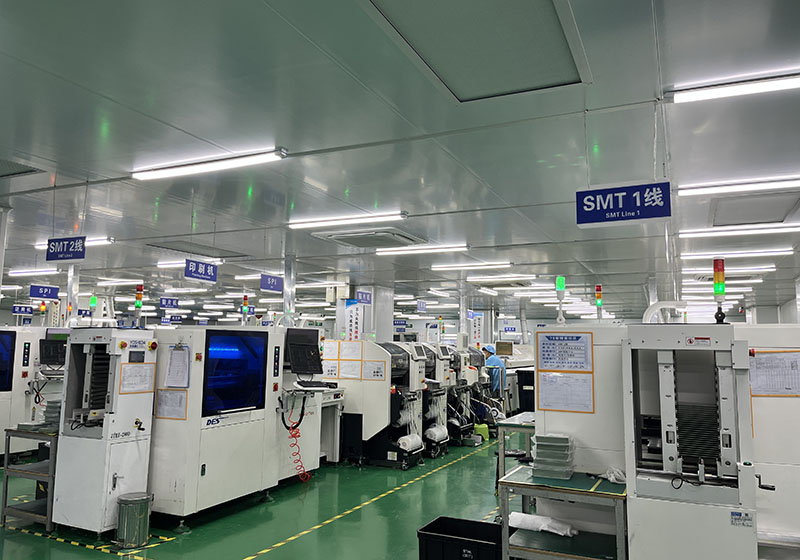
We can handle a wide range of advanced components, including:
Our commitment to quality goes beyond component expertise. We utilize advanced inspection techniques, including AOI and X-Ray inspection, to guarantee flawless assembly.
STHL PCBA also excels in Through-Hole Technology (THT) assembly. Our services encompass:
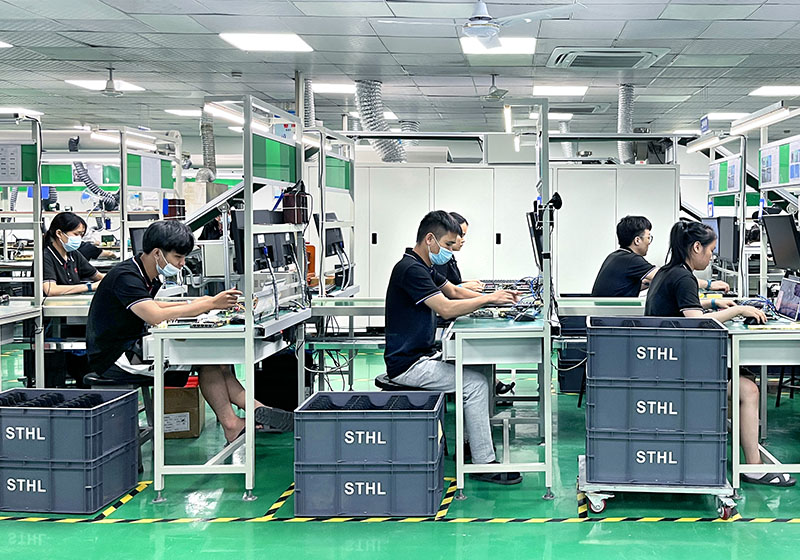
Comprehensive EMS capabilities tailored to support you from rapid prototype testing to full-scale mass production.
STHL operates 7 automated PCB assembly lines for both prototype and mass production. Advanced SMT ensures precise component placement and quality. Skilled technicians provide efficient THT assembly and RoHS-compliant lead-free soldering.
STHL PCB fabrication service produces high-quality, reliable printed circuit boards from simple singles to complex multi-layers, from flex PCB to rigid-flex PCB. We use premium materials and controlled processes to meet precise specifications.
STHL offers global electronic component sourcing and supply chain solutions. Our vast supplier network and expertise ensure access to genuine, certified parts, mitigating risks of counterfeits, allocation, and long lead times to secure your production schedule.
With the precision manufacturing of cable assembly components including handles, retention systems, connectors, and shielding in a wide range of materials and finishes, we have performed many successful cable assemblies for many customers from various industrial applications.
Making your projects at STHL from SMT assembly to box build assembly is very cost-effective and fast to market. Covering everything from putting a PCBA into the enclosure with all functions testing to a complete product assembly packaged and ready for delivery to your customers, we can supply full support.
STHL conducts functional testing (FCT) to verify product performance, preventing defects such as circuit issues, missing or incorrect components. This ensures delivered products are stable and fully qualified.
Understanding how single-sided PCBs address localized engineering constraints across industrial, commercial, and extreme environments.
In high-intensity LED systems (e.g., LED Ceiling Panel Lights, architectural floodlights), thermal accumulation is the primary cause of early diode failure. Single-sided Metal Core PCBs (MCPCBs) use an aluminum or copper backing separated by a thin dielectric layer, conducting heat directly away from active junctions. This design minimizes thermal resistance, ensuring long-term lumen maintenance and stable performance.
From ECU power regulators to SRS sensors, automotive systems require robust pathways that can withstand continuous vibrations. By limiting routing to a single outer layer, we reduce potential internal delamination and micro-cracking common in multi-layer structures. Utilizing heavy copper traces on single-sided substrates increases the board's durability, making it an engineering staple for under-the-hood and cabin safety systems.
Heavy industrial machinery (e.g., drilling equipment, cranes, monitoring systems) uses high-voltage power distribution units (PDUs). Single-sided designs are ideal here because they allow for wide trace routing, deep spacing to prevent high-voltage arcing, and the placement of heavy copper foils. This structure provides reliable performance without the complexity and risk of internal layer shorts.
Next-generation substrates, ecological compliance, and the structural adaptation of simple circuits in complex IoT ecosystems.
The industry is shifting from traditional FR-4 toward CEM-3 and ceramic-filled substrates. CEM-3 offers similar mechanical strength to FR-4 but with improved thermal conductivity and better performance at higher frequencies. Ceramic substrates are also emerging as the standard for high-performance RF designs, enabling single-sided boards to operate efficiently in gigahertz ranges without signal degradation.
With global regulations increasingly targeting electronic waste, the development of water-soluble and biodegradable natural fiber substrates is accelerating. Single-sided designs are leading this change because their simple construction makes it easier to separate copper traces from bio-resin bases, creating a clear path toward fully circular electronics manufacturing.
By pairing advanced laser-direct imaging (LDI) with high-density interconnect (HDI) technologies, manufacturers can now route trace widths down to 50µm on single-sided boards. This enables direct mounting of fine-pitch BGAs and micro-QFN packages onto single-sided substrates, combining the cost advantages of single-sided designs with the compact footprints required by modern IoT devices.
Why manufacturing in the Shenzhen electronics cluster provides significant cost advantages, speed, and risk mitigation.
The concentration of electronics manufacturing in China's Guangdong-Hong Kong-Macao Greater Bay Area creates a unique, highly integrated production ecosystem. In Shenzhen, the proximity of raw material suppliers, component brokers, copper foil laminators, and specialized assembly factories significantly reduces logistics times. A component sourcing process that might take weeks in other regions can often be completed in just days here, directly shortening lead times for both prototypes and mass production runs.
Additionally, China PCB manufacturing has moved past simple cost competition to focus on advanced automation and strict quality control. Automated optical inspection (AOI), real-time MES production tracking, and dedicated engineering support are standard across our facilities. By combining this local infrastructure with global shipping access, we help protect clients from supply chain disruptions, ensuring stable delivery schedules even during market fluctuations.
Rigorous quality processes and international certifications that guarantee performance and reliability in any market.
Our production lines operate under IATF 16949 certifications, establishing trace-by-trace quality tracking for automotive and industrial assemblies. Regular audits ensure that every single-sided PCB produced meets the strict reliability requirements expected by global automotive brands.
Medical-grade electronics require highly consistent manufacturing. Our facilities are ISO 13485 certified, ensuring that assemblies used in patient monitoring, diagnostics, and laboratory automation meet the rigorous safety and quality standards required for healthcare applications.
We prioritize eco-friendly manufacturing by using lead-free soldering and RoHS-compliant laminates. This ensures your final products comply with global environmental standards, simplifying the import and regulatory approval process in markets like the EU and North America.
Technical insights and answers regarding Single-Sided PCB Design, Sourcing, SMT, and OEM Services.
Single-Sided PCBs offer simple construction, high reliability under thermal stress, and lower production costs. Because routing is limited to a single layer, they avoid the risk of internal layer delamination and micro-cracking caused by thermal expansion. This makes them ideal for high-power LED systems, industrial power supplies, and high-vibration applications.
We use high-precision solder paste printers, advanced pick-and-place systems, and multi-zone reflow ovens. Because BGA solder joints cannot be inspected visually, we run 100% of these boards through Automated Optical Inspection (AOI) and X-ray inspection. This allows us to identify and fix issues like solder bridging or voiding before the boards ship.
For high thermal applications (like high-power LEDs or power converters), metal core substrates (MCPCBs) with an aluminum or copper backing are typically recommended. They offer much better thermal dissipation than standard FR-4 or CEM-1/CEM-3. In very high-temperature environments, ceramic substrates can also be used.
Prototypes are typically completed within 3 to 7 days, depending on component availability and complexity. Mass production runs generally take 2 to 4 weeks after design approval (DFM check) and components sourcing are complete. We also offer expedited services for urgent project timelines.
We purchase directly from authorized distributors (like Arrow, Avnet, DigiKey, and Mouser) or directly from component manufacturers. For components sourced through independent channels, we run trace inspection checks, including solderability tests and X-ray analysis, to verify authenticity before parts reach the assembly line.
High-reliability printed circuit board assemblies built to withstand demanding conditions across global infrastructure and commercial markets.
 STHL PCBA