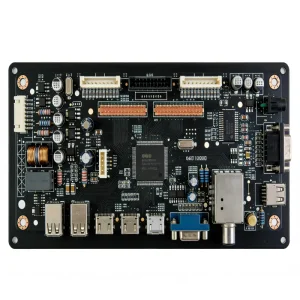
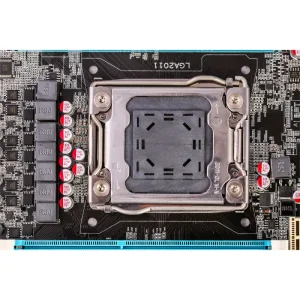
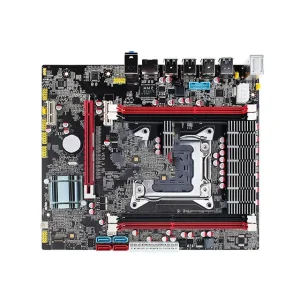
In modern industrial product development, the bridge between a conceptual schematic and a mass-producible device is paved with rapid, highly precise prototypes. Cable assemblies and wire harnesses act as the central nervous system of any complex electronic system. Whether it is an aerospace flight controller, an electric vehicle battery management unit, or an advanced medical diagnostic scanner, a single signal disruption or wire failure can halt million-dollar projects. That is why sourcing high-performance Prototype Cable Assemblies Service & Factories in China has become a critical strategic lever for international product designers.
Engineering departments around the globe face the persistent challenge of shrinking time-to-market windows while meeting increasingly stringent electromagnetic compatibility (EMC), signal integrity, and environmental resistance standards. Rapid prototyping of custom cable assemblies allows teams to validate the physical pathing, mechanical strain relief, shielding metrics, and connector interfaces of their designs before committing capital to mass-production tooling.
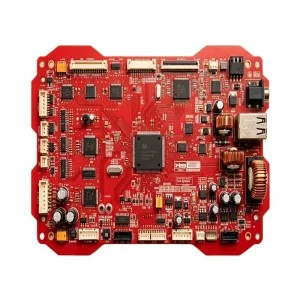
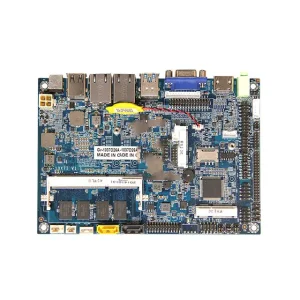
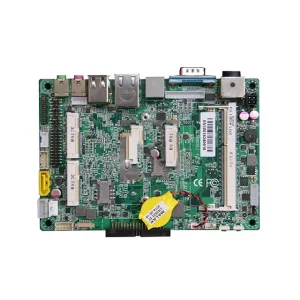
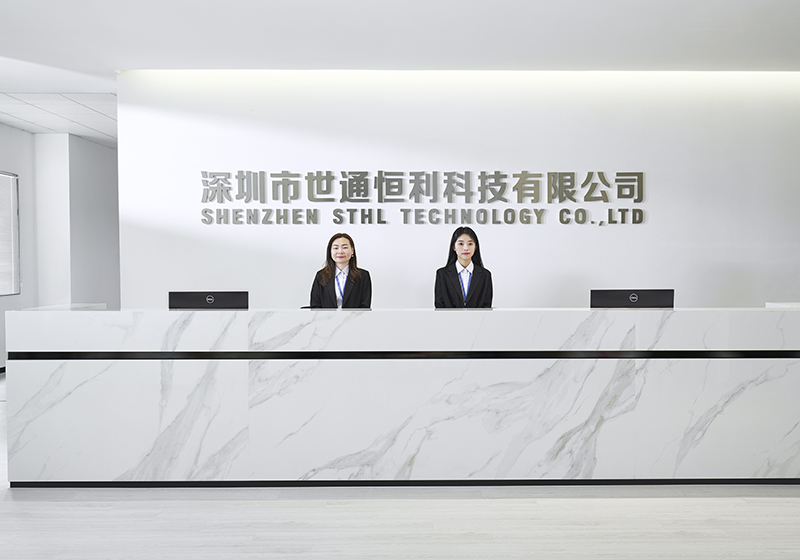
Shenzhen STHL is a high-quality provider of electronics manufacturing services (EMS) in China. We serve customers worldwide along the whole industry chain including PCB layout, components sourcing, PCB fabrication, PCBA assembly, cable assembly, box build assembly, and comprehensive testing services.
Established in 2006, STHL brings 20 years of experience in electronics contract assembly manufacturing to the global arena. Currently, STHL boasts a team of 220+ staff members. Our 10,000 sqm facilities include 7 automated SMT assembly lines, 2 DIP/THT lines, 2 function testing lines, and 2 finished device assembly lines.
At STHL, we provide high-grade electronics assembly services for energy power, communications, automotive, medical, consumer electronics, computers & storage, safety & security, commercial, and industrial products. Our primary customer footprint extends across the USA, Germany, Italy, UK, Poland, New Zealand, Argentina, Brazil, Turkey, Korea, Thailand, and over 90 other regions worldwide.
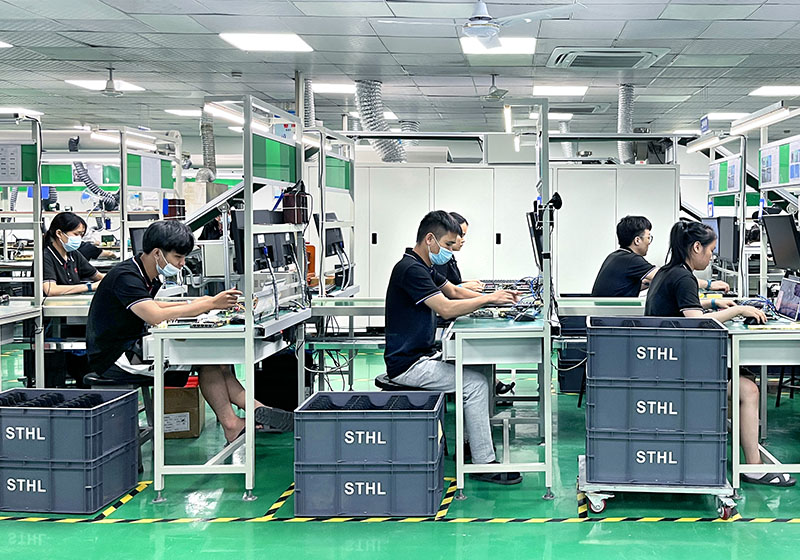
Our capabilities span high-density surface mount technology and robust through-hole assembly processes, guaranteeing seamless box build integration for custom cable configurations.
Expertise in handling Ball Grid Array (BGA), Ultra-Fine BGA (uBGA), QFN, QFP, SOIC, and PLCC packages. We specialize in Package-on-Package (PoP) and small chip components with extremely tight pitch spacing, utilizing 3D AOI and real-time X-ray inspection systems.
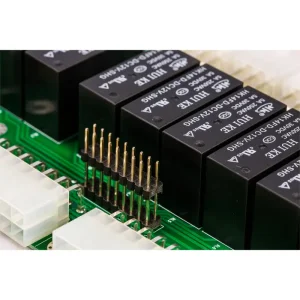
High-quality Through-Hole Technology (THT) using custom-engineered assembly fixtures, automated wave soldering, and hand-soldering stations. All processes are fully ESD-protected and adhere to RoHS compliance standards for lead-free operations.
Rigorous validation of functional interfaces, electrical continuity, dielectric strength, and signal paths. Testing options include custom bed-of-nails fixtures, boundary scan, ICT, and environmental stress screening (ESS) to guarantee system reliability.
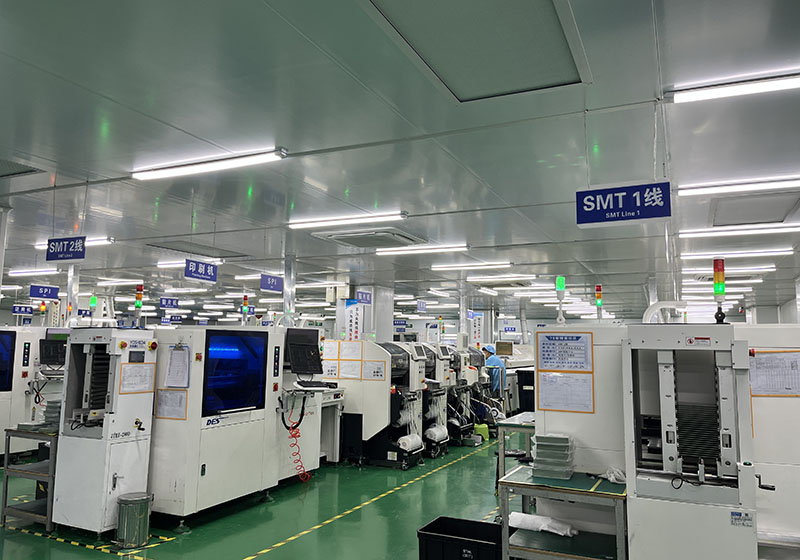
Our production floor is designed to handle the absolute threshold of density and precision. By combining high-speed pick-and-place lines with multi-zone convection reflow ovens, we secure flawless mechanical and electrical bonding for complex micro-electronic layouts.
Quality checks are fully automated. Every board passes through automatic optical inspection (AOI) gates and, for complex BGA layouts, undergoes non-destructive 2D/3D X-ray inspection to check for solder voiding and micro-bridging. This ensures that the interface between incoming cable assemblies and the motherboard is perfectly calibrated.
Despite the dominance of surface-mount devices, through-hole technology remains irreplaceable for high-vibration, high-power, and mechanically stressful environments, such as heavy-duty industrial interfaces and automotive main harnesses.
Our THT department features manual dexterity paired with automated insertion processes. Custom soldering fixtures are fabricated in-house to protect delicate components, and selective wave soldering ensures uniform thermal profiling across multi-layered PCBs.
From initial design evaluation to final system integration, we provide a unified workflow to reduce overhead and eliminate supply chain friction.
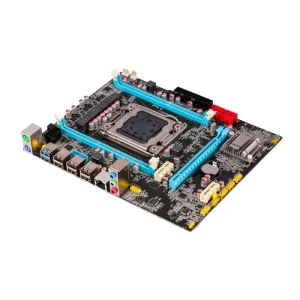
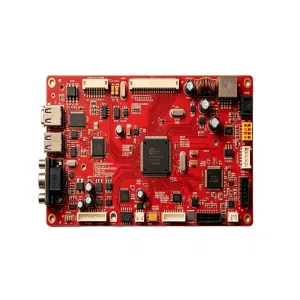
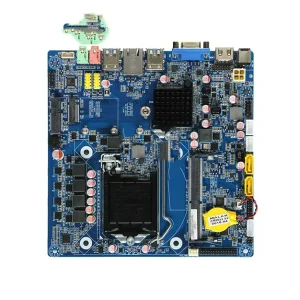
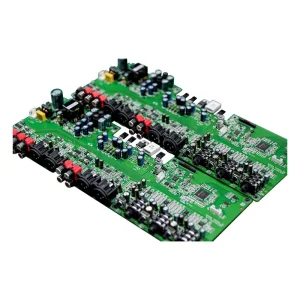
STHL operates 7 automated PCB assembly lines for both prototype and mass production. Advanced SMT ensures precise component placement and quality. Skilled technicians provide efficient THT assembly and RoHS-compliant lead-free soldering.
STHL PCB fabrication service produces high-quality, reliable printed circuit boards from simple singles to complex multi-layers, from flex PCB to rigid-flex PCB, we use premium materials and controlled processes to meet precise specifications.
STHL offers global electronic component sourcing and supply chain solutions. Our vast supplier network and expertise ensure access to genuine, certified parts, mitigating risks of counterfeits, allocation, and long lead times to secure your production schedule.
With the precision manufacturing of cable assembly components including handles, retention systems, connectors, and shielding in a wide range of materials and finishes, we have performed many successful cable assemblies for many customers from various industrial applications.
Making your projects at STHL from SMT assembly to box build assembly is very cost-effective and fast to market. Covering everything from putting a PCBA into the enclosure with all functions testing to a complete product assembly packaged and ready for delivery to your customers, we can supply the full support.
STHL conducts functional testing (FCT) to verify product performance, preventing defects such as circuit issues, missing or incorrect components. This ensures delivered products are stable and fully qualified.
Choosing a specialized China-based manufacturer for custom prototype cable assemblies offers substantial competitive benefits. The Shenzhen region, in particular, operates as a massive, hyper-integrated ecosystem of material vendors, connector manufacturers, extrusion mills, and certification laboratories.
1. Unparalleled Component Access: When engineering prototypes require exotic terminal blocks, unique overmolding, or highly flexible silicone jackets, a local China manufacturer can procure these components in hours rather than weeks. This eliminates long lead times and allows design iterations to be executed dynamically.
2. Tooling Agility for Custom Backshells: Modern aerospace or medical prototypes often require customized EMI shielding backshells or unique strain-relief overmolds. Chinese factories can quickly manufacture soft tooling or 3D-printed molds to produce functional prototypes, avoiding the expensive, long-lead steel tooling required in Western facilities.
3. Advanced Cross-Disciplinary Integration: The primary point of failure in complex systems is often the interface between the wire terminal and the PCB receptacle. By choosing an integrated partner like STHL, you ensure that the PCB layout designers, SMT engineers, and wire harness technicians work in the same facility, eliminating blame-shifting between board assembly plants and harness assembly shops.
Sourcing electronics globally requires compliance with regional safety, environmental, and industry-specific regulations. STHL mitigates compliance risks through rigorous testing, full traceability, and documentation audits.
We are fully certified under IATF 16949 (Automotive Quality Management), ISO 9001 (General Quality Standards), ISO 14001 (Environmental Management), and ISO 13485 (Medical Device Assembly standards).
All raw materials, insulations, shieldings, heat shrinks, and solder pastes are verified to be lead-free and free of hazardous substances, ensuring smooth entry into European and North American markets.
Our cable assembly processes adhere to IPC/WHMA-A-620 Class 2 and Class 3 standards, guaranteeing high performance and reliability under challenging environmental conditions.
Procuring prototype cable assemblies involves challenges like design component obsolescence, high customization costs, and performance translation issues during the transition from prototype to mass production. Our Design for Manufacturability (DFM) guidelines address these pain points:
Design for Manufacturability (DFM) Optimization: Our engineering team reviews incoming drawings to detect errors before production begins. Common issues include improper wire gauge selections for target amperages, insufficient bend radiuses, and mismatched connector terminals. Catching these early prevents costly assembly revisions.
BOM Risk Management & Alternate Sourcing: Single-source components can delay projects. STHL reviews your Bill of Materials (BOM) to identify high-risk parts and suggest equivalents from verified manufacturers. This protects your production schedule and maintains product performance.
Crimp Force Monitoring (CFM): Utilizing high-precision crimp termination machinery with built-in force analyzers prevents micro-fractures, loose connections, and insulation crimp failures. This ensures consistent electrical conductivity for high-reliability applications.
Our prototype cable assemblies and custom wire harnesses are deployed across diverse industries, each requiring specific design and testing protocols:
High-flex lifespans, biochemical resistance, and low noise thresholds are critical for systems like CT scanners, ultrasound transducers, and patient monitoring equipment. We utilize bio-compatible materials and shielded twisted pairs to prevent cross-talk.
Under-hood wiring and EV battery pack management systems demand high heat resistance, chemical protection, and mechanical durability. Our IATF 16949 processes guarantee that prototypes withstand extreme vibration and temperature cycles.
Continuous flexing, torsion, and exposure to oils require polyurethane (PUR) jacketing, continuous-flex conductors, and rugged IP-rated overmolded connectors to prevent downtime in robotic arms and control panels.
The cable assembly and wire harness industry is shifting to accommodate faster data transmission speeds, more compact form factors, and harsher operating environments. Key trends driving this evolution include:
 STHL PCBA