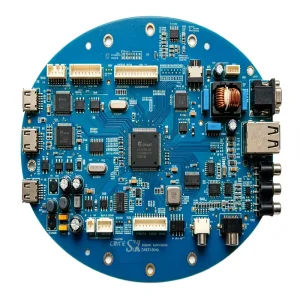
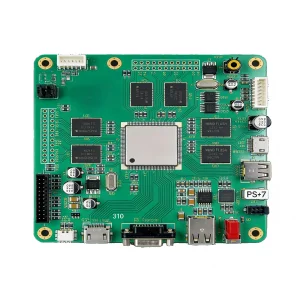
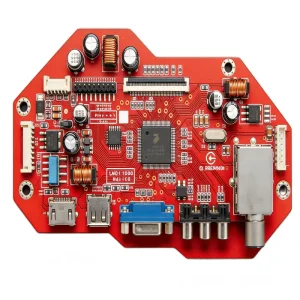
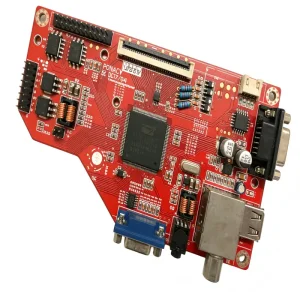
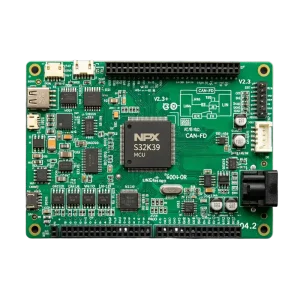
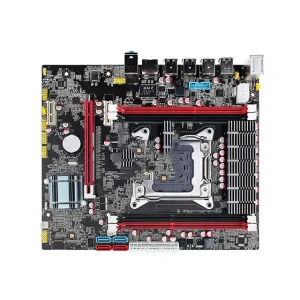
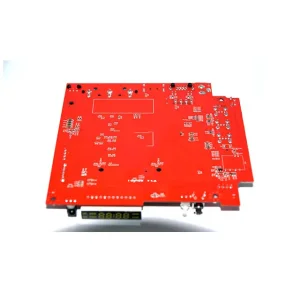
High-reliability printed circuit board assemblies manufactured under IPC class 3 standards for demanding environments
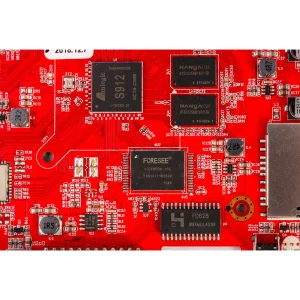
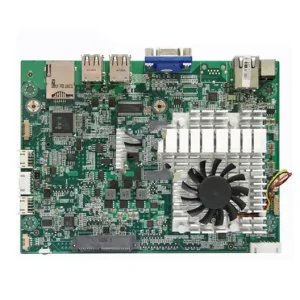
Shenzhen STHL is a high-quality provider of electronics manufacturing services (EMS) in China, we serve customers worldwide along the whole industry chain including PCB layout, components sourcing, PCB fabrication, PCBA assembly, cable assembly, box build assembly and comprehensive testing services.
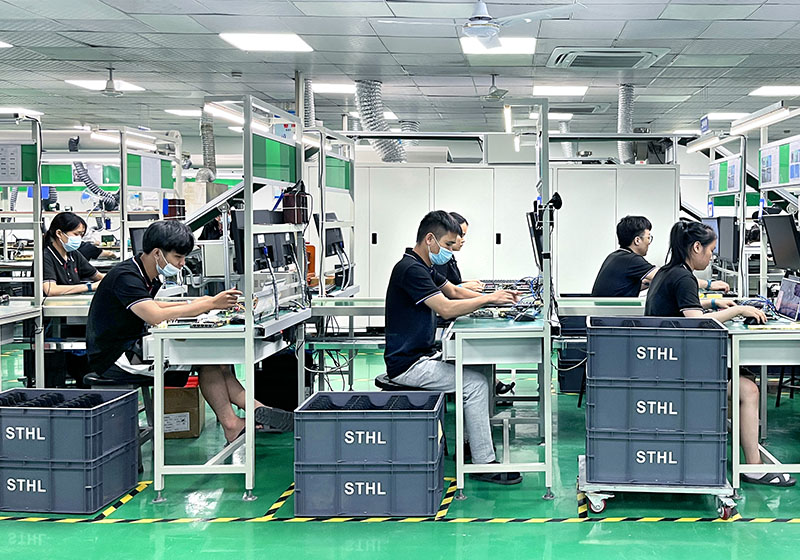
It was established in 2006, with 20 years of experience in electronics contract assembly manufacturing. Currently, STHL has 220+ staff members. Our 10,000 sqm facilities include 7 SMT assembly lines, 2 DIP/THT lines, 2 function testing lines and 2 finished device assembly lines.
At STHL, we provide electronics assembly services for energy power, communications, automotive, medical, consumer electronics, computers & storage, safety & security, commercial and industrial products. Our customers mainly from USA, Germany, Italy, UK, Poland, New Zealand, Argentina, Brazil, Turkey, Korea, Thailand, and the other 90 regions of the world.
As an IATF16949, ISO9001, ISO14001,and ISO13485 certificated electronics assembly manufacturer, we produce products exactly comply with RoHS standard and quality guarantee. Based on our excellent engineering and production capacities in technical areas such as materials analysis & storage, advanced equipment, reliability testing (AOI, X-RAY, ICT test and function test), high effective SMT and THT assembly, we are recognized as a long-term reliable PCBA vendor by more and more customers wordlwide.
Welcome to visit STHL factory at any time.
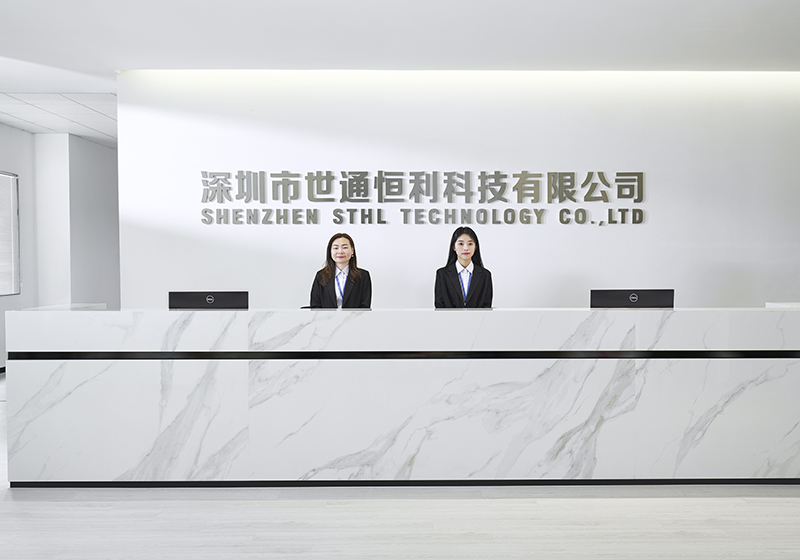
Combining surface-mount technology and through-hole technology for mixed-technology PCBA designs
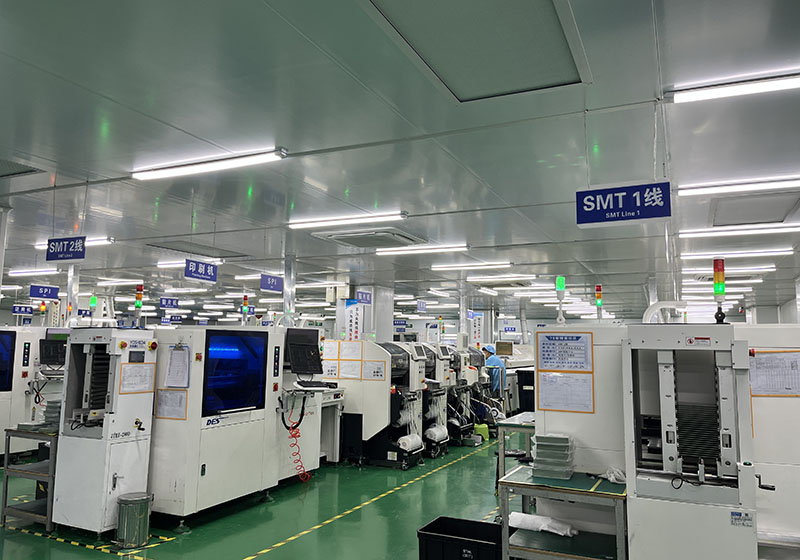
We can handle a wide range of advanced components, including:
But our commitment to quality goes beyond component expertise. We utilize advanced inspection techniques, including AOI (Automated Optical Inspection) and 3D X-Ray inspection, to guarantee flawless assembly across high-density circuit configurations.
STHL PCBA also excels in Through-Hole Technology (THT) assembly. Our dedicated capabilities encompass:
Comprehensive end-to-end solutions to accelerate time-to-market and optimize manufacturing costs
STHL operates 7 automated PCB assembly lines for both prototype and mass production. Advanced SMT ensures precise component placement and quality. Skilled technicians provide efficient THT assembly and RoHS-compliant lead-free soldering.
STHL PCB fabrication service produces high-quality, reliable printed circuit boards from simple singles to complex multi-layers, from flex PCB to rigid-flex PCB, we use premium materials and controlled processes to meet precise specifications.
STHL offers global electronic component sourcing and supply chain solutions. Our vast supplier network and expertise ensure access to genuine, certified parts, mitigating risks of counterfeits, allocation, and long lead times to secure your production schedule.
With the precision manufacturing of cable assembly components including handles, retention systems, connectors, and shielding in a wide range of materials and finishes, we have performed many successful cable assembly projects for industrial applications.
Making your projects at STHL from SMT assembly to box build assembly is highly cost-effective. Covering everything from putting a PCBA into the enclosure with all functional testing to complete packaged products ready for delivery to your end users.
STHL conducts rigorous functional testing (FCT) to verify product performance, preventing defects such as short circuits, missing components, or functional failures. This ensures delivered products are stable, reliable, and fully qualified.
A deep dive into advanced materials, miniaturization trends, and high-density interconnect technologies
As electronic systems demand lighter weights, smaller footprints, and faster transmission speeds, High-Density Interconnect (HDI) Flexible Printed Circuits (FPCs) have transitioned from specialized components to mainstream structural design pillars. By combining microvia laser-drilled stackings, fine line/space configurations, and advanced polyimide substrates, HDI Flex PCBs allow developers to maximize performance in dynamically flexing components or tight multi-dimensional enclosures.
Traditional polyimide (PI) is evolving to meet the needs of high-speed high-frequency signal requirements, such as 5G/6G communication and millimetric wave sensors. Next-generation FPCs leverage Liquid Crystal Polymer (LCP) and Modified Polyimide (MPI). LCP substrates provide exceptionally low dissipation factors (Df < 0.0025) and near-zero moisture absorption, ensuring impedance control stability across critical thermal cycles. Our engineering team helps design stack-ups that optimize signal loss while managing the mechanics of flexible layer transitions.
While standard subtractive etching methods struggle with line widths below 35µm, modified Semi-Additive Processes (mSAP) allow the manufacturing of ultra-fine line widths and spacings down to 15µm. This degree of integration is crucial for the routing of advanced sensor arrays and high-density BGA matrices. Coupled with laser-drilled blind and buried microvias (filled with solid copper plating), stacked-via architecture enables multi-layered HDI Flex layouts that dramatically reduce space requirements without compromising impedance continuity.
The boundary between standard rigid PCBs and FPCs continues to blur. Rigid-Flex designs eliminate connector dependencies, improving reliability and reducing contact resistance in medical devices, aerospace instruments, and automotive ADAS modules. Emerging trends focus on embedded passive components within the flex core, allowing further spatial optimization and minimizing parasitic inductance. STHL's engineering department supports clients through complex layout definitions, including bend radius guidelines, dynamic flex area trace layouts, and teardrop padding configurations to maximize structural fatigue life.
| Feature / Parameter | Standard Capability | Advanced Capability (HDI Flex) |
|---|---|---|
| Min Line Width / Spacing | 75 µm / 75 µm | 35 µm / 35 µm (Specialized down to 25 µm) |
| Min Microvia Diameter | 0.15 mm | 0.075 mm (Laser Drilled) |
| Material Substrates | Standard Polyimide (PI) | LCP, MPI, High-Tg Polyimide |
| Layer Count (Flex Core) | 1 - 4 Layers | 4 - 10 Layers (with rigid-flex transition) |
| Surface Finishes | HASL, ENIG | ENEPIG, Soft/Hard Gold, OSP |
Tailored EMS and PCB fabrication strategies for vertical industrial segments
Supporting critical devices like pacemakers and advanced medical imaging workstations. Certified to ISO 13485, STHL ensures class 3 quality requirements, validation protocols (IQ/OQ/PQ), biocompatibility component checks, and comprehensive trace verification throughout the manufacturing run.
For electric powertrains, battery management systems (BMS), ADAS radars, and LIDAR units. Our manufacturing processes conform strictly to IATF 16949 guidelines, incorporating thermal shock cycles, environmental chambers, and high-frequency testing arrays.
Dedicated PCBA platforms for solar inverters, wind power controllers, and industrial power management units. We focus on heavy copper traces, high-power heat sink bonding, thermal interface materials (TIM), and high-voltage isolation design rules.
Deploying advanced electronics designs requires a manufacturing partner that operates at the cutting edge of logistics and digital control. Shenzhen STHL represents the evolution of Chinese manufacturing—combining local vendor ecosystems with modern digital enterprise resource planning (ERP) and manufacturing execution systems (MES).
STHL's location in Shenzhen provides direct access to the world's most dense electronic component marketplace. Our sourcing engineers interact directly with original component manufacturers and authorized global distributors (Arrow, Avnet, DigiKey, Mouser) to secure long-lead-time active components. By utilizing real-time BOM analysis, we identify parts that are near end-of-life (EOL) or on long lead times, suggesting drop-in pin-to-pin equivalents to insulate your supply chain from sudden delays.
Transitioning from NPI (New Product Introduction) to full-scale mass production can introduce assembly discrepancies. Our 7 automated SMT lines are structured to facilitate rapid conversions. Solder paste printers with inline 3D SPI (Solder Paste Inspection), pick-and-place equipment with vision alignment, and multi-zone reflow ovens ensure repeatable component placements down to 01005 passives.
Complying with international regulations to ensure friction-free cross-border operations
Global procurement teams must navigate complex regulatory landscapes, environmental directives, and strict quality control guidelines. Shenzhen STHL acts as an extension of your own engineering and procurement departments, meeting compliance frameworks that are recognized internationally.
Our operations are fully certified under IATF 16949 (Automotive Quality Management), ISO 13485 (Medical Devices), and ISO 9001 (Standard Quality Management). All assemblies meet IPC-A-610 Class 2 or Class 3 parameters as required by customer specifications.
We strictly implement RoHS directive controls (Restriction of Hazardous Substances) and REACH protocols, utilizing lead-free solder pastes (SAC305, etc.) and halogen-free laminate materials to guarantee environmental compatibility.
We understand that design schematic layouts represent key proprietary technology. We enforce internal NDA protocols, segmented local network permissions, and secure server structures to safeguard your project files and source codes.
Expert technical answers to common queries regarding HDI Flex PCB manufacturing and EMS services
For high-frequency applications, we recommend Liquid Crystal Polymer (LCP) or Modified Polyimide (MPI). LCP offers a very low dielectric constant (Dk of ~2.9) and dissipation factor (Df of ~0.002) across wide frequency spectra, coupled with extremely low moisture absorption. MPI is a cost-effective alternative for sub-6GHz applications, delivering stable dielectric properties at a lower raw material cost than LCP.
STHL utilizes a closed-loop quality control flow. Prior to placement, 3D Solder Paste Inspection (SPI) checks paste volume and alignment. Post-reflow, boards undergo Automated Optical Inspection (AOI) for surface defects. For hidden solder joints like BGA, uBGA, and leadless QFNs, we use 3D X-Ray Inspection to check for solder bridging, voids, and proper wetting. In-Circuit Testing (ICT) and Functional Testing (FCT) are then conducted to verify electronic operations.
We hold certifications for IATF 16949 (automotive electronics manufacturing quality management) and ISO 13485 (medical device manufacturing quality systems). We also comply with ISO 9001 (general quality systems) and ISO 14001 (environmental management systems). This ensures our processes meet standard industry requirements for tracing, manufacturing control, and risk management.
Yes, we offer complete electronic component sourcing services. We maintain a robust procurement network of franchised distributors and direct component manufacturers. If a component goes out of stock or has a long lead time, our engineering team can cross-reference parameters to suggest pin-compatible equivalents, keeping your production schedule on track.
For standard flexible circuit fabrications, we process line widths and spacings down to 75 µm. For high-density interconnect (HDI) structures utilizing modified Semi-Additive Processes (mSAP), we can fabricate traces down to 35 µm width and spacing, supporting high pin-out density packaging and compact device housings.
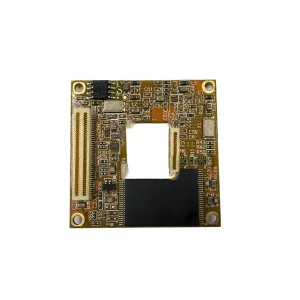
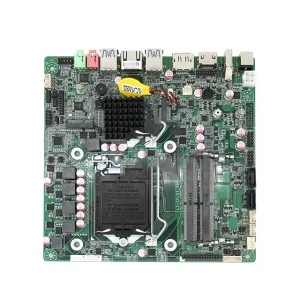
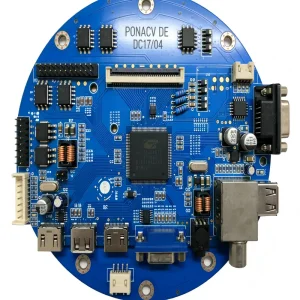
From power system controllers to advanced medical imaging platforms, browse our full OEM assembly capabilities
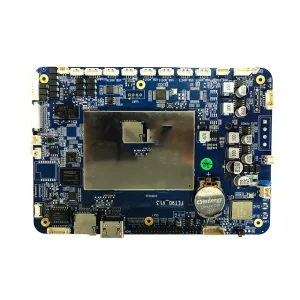
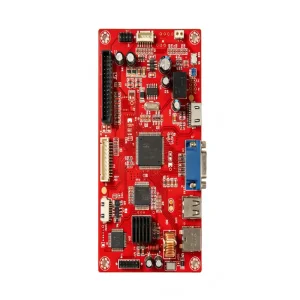
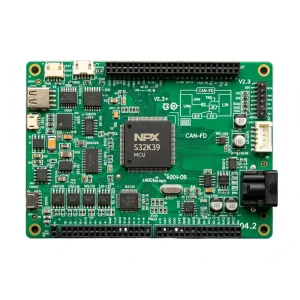
 STHL PCBA