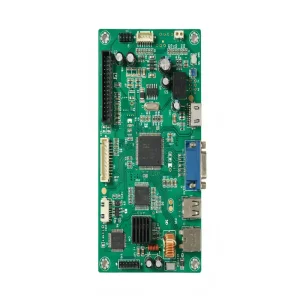
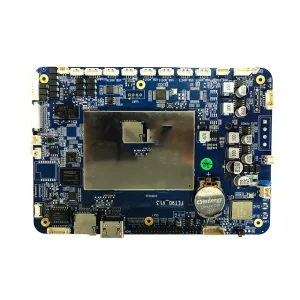
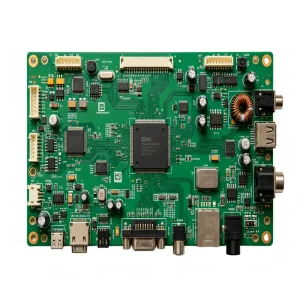
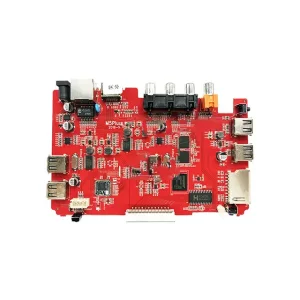
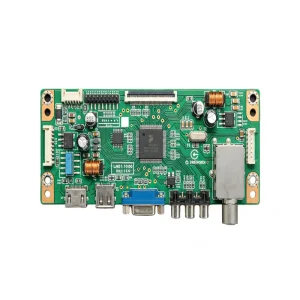
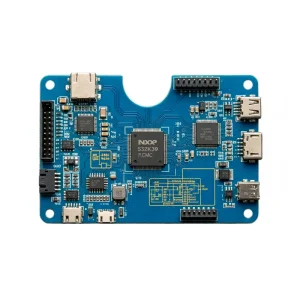
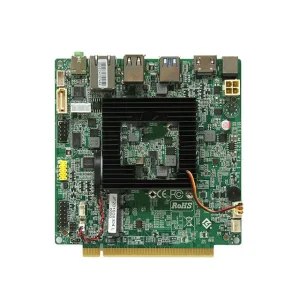
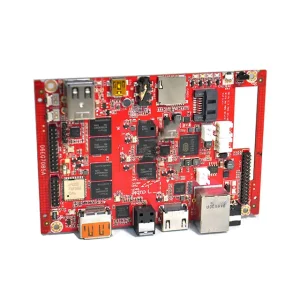
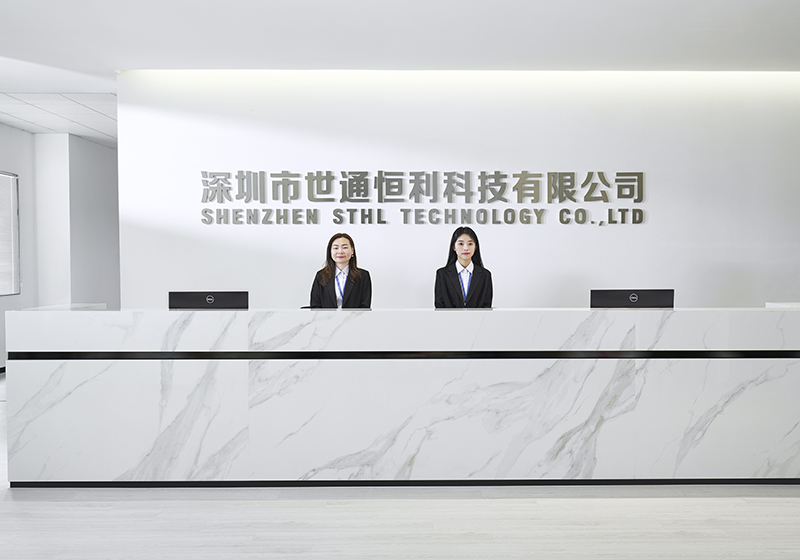
Established in 2006, Shenzhen STHL has evolved over the past two decades into a premier tier-one electronics manufacturing services (EMS) partner. With an unwavering commitment to engineering rigor and strict compliance protocols, we deliver integrated turnkey solutions to high-growth sectors worldwide. Our core capabilities span across custom PCB layout, global electronic component sourcing, raw PCB fabrication, high-yield SMT/THT assembly, intricate cable harness assembly, system integration (box build), and exhaustive functional verification testing (FCT).
Our expansive 10,000 square meter state-of-the-art facility houses a workforce of over 220 seasoned engineers and technicians. By leveraging 7 high-speed SMT lines, 2 specialized DIP/THT lines, 2 dedicated system integration lines, and 2 advanced functional testing stations, we guarantee rapid turnaround times without sacrificing the structural integrity of the final assemblies. This allows us to scale seamlessly from rapid prototype development to high-volume commercial production.
Our strategic footprint covers more than 90 regions globally, supporting key clients in the USA, Germany, Italy, UK, Poland, New Zealand, Argentina, Brazil, Turkey, Korea, Thailand, and beyond. As a quality-driven manufacturer certified under IATF 16949 (Automotive Quality Management), ISO 13485 (Medical Devices Quality Management), ISO 9001, and ISO 14001 standards, we ensure that every PCBA produced strictly adheres to IPC-A-610 Class II/III and RoHS environmental requirements.
Years of EMS Expertise
Production Facility
High-Speed SMT Lines
Global Export Regions
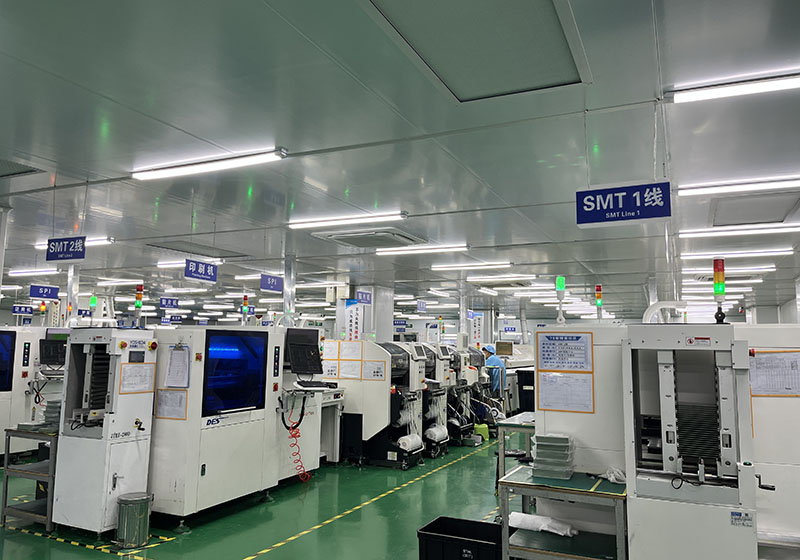
Modern electronic devices demand ultra-dense integration, high-frequency signal integrity, and exceptional thermal performance. To address these demands, STHL utilizes precision Surface Mount Technology (SMT) processes that accommodate fine-pitch, micro-miniature, and complex integrated packaging formats.
Our processing and placement range includes:
Every SMT line incorporates inline 3D Solder Paste Inspection (SPI), Automated Optical Inspection (AOI), and continuous thermal profiling of multi-zone reflow ovens to guarantee high reliability under demanding operational profiles.
For applications subjected to high mechanical stress, heavy thermal cycling, and high-power transmission, Through-Hole Technology (THT) remains indispensable. STHL maintains robust DIP/THT assembly facilities designed to maximize joint strength and electrical connectivity.
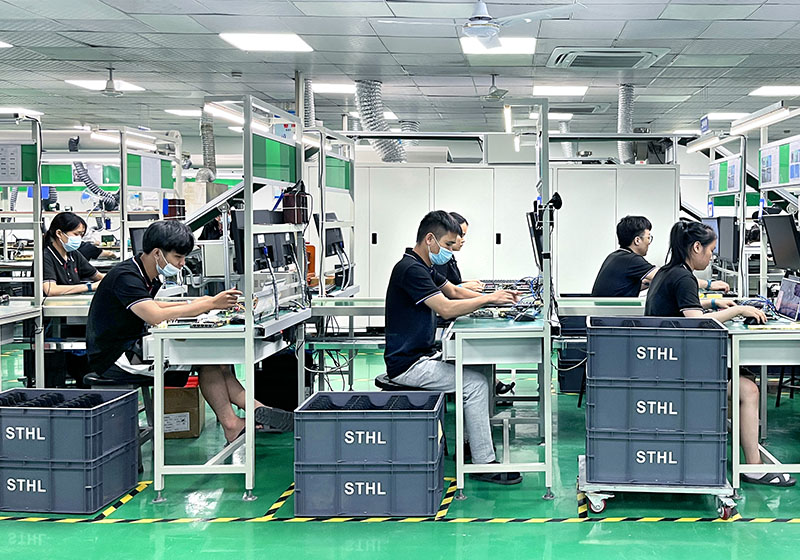
Utilizing 7 automated SMT lines equipped with high-speed Yamaha and Samsung placers, we assemble double-sided, high-density boards. Backed by IPC-A-610 certified hand assembly specialists for complex mixed-technology layouts.
Supporting rigid, flexible, and rigid-flex multilayer configurations up to 32 layers. Substrates include FR4, Rogers, High-Tg materials, aluminum, and copper cores, finished with ENIG, OSP, or HASL surface coatings.
Avoid counterfeits with our trusted global supply chain. We procure directly from original component manufacturers (OCMs) and authorized distributors (Arrow, Avnet, Future, DigiKey). Full traceability is maintained with complete batch record logging.
Custom cable assemblies, high-speed wire harnesses, and complex terminations. Incorporating precision molded connectors, mechanical strain reliefs, EMI shielding, and environmental insulation to guarantee signal integrity.
Seamless system integration. We house completed PCBA assemblies into custom metal, plastic, or composite enclosures. Our turnkey service includes panel installation, power distribution routing, sub-assembly mounting, and packaging.
We verify real-world functionality with comprehensive testing protocols including ICT (In-Circuit Testing), FCT (Functional Circuit Testing), boundary scan, environmental stress screening (ESS), and software flash programming.
Different industrial environments present unique physical and electrical challenges. Our specialized engineering divisions optimize production to meet industry-specific demands.
Standard: ISO 13485
Medical diagnostics, patient monitoring, and drug delivery systems require strict reliability. We implement complete component traceability, process validation (IQ/OQ/PQ), and rigorous quality inspections to minimize device risk profiles.
Standard: IATF 16949
On-board chargers (OBC), ADAS modules, and power management units must withstand extreme vibration and thermal variations. We employ robust solder joints, heavy copper PCBs, and conformal coating to ensure long-term durability.
Standard: IPC-A-610 Class III
Industrial machinery operates in high-EMI, dusty, and hot conditions. Our control boards use high-TG laminates, optimized thermal management layouts, and thick conformal coatings to guarantee continuous uptime.
Standard: UL & CE Compliance
Power inverters and battery management systems (BMS) handle high voltages and currents. We integrate thick copper traces, heavy-duty through-hole components, and isolated circuitry layouts to prevent thermal runaways.
Standard: High-Frequency & RF Standard
GPS receivers, wireless signal boosters, and hotspot routers rely on clean signal transmission. We utilize controlled impedance routing, low-loss dielectric laminates, and specialized EMI shielding enclosures.
Standard: RoHS & REACH Compliance
LED signage and outdoor sensors must resist moisture, UV rays, and temperature swings. We utilize weather-sealed potting and automated conformal coating lines to protect components in outdoor environments.
In electronics manufacturing, speed-to-market and cost efficiency must coexist with high quality. Our Shenzhen manufacturing hub operates under Industry 4.0 principles to optimize cost, delivery speed, and yield rates.
Our integrated SAP/MES platform tracks components from incoming inspection, through placement, to final boxing. This digital thread ensures accurate trace records for every PCB assembly.
Shenzhen provides access to a comprehensive global electronics ecosystem. This local supply chain reduces raw material lead times and enables rapid design iterations.
Automated stencil printing, multi-camera optical alignment, and intelligent reflow profiles allow us to minimize setup times and scale production efficiently.
| Operation Metric | STHL Factory Capacity |
|---|---|
| SMT Daily Capacity | 8,000,000 Component Placements / Day |
| THT Daily Capacity | 800,000 Pins soldered / Day |
| Minimum SMT Pitch | 0.3 mm (Fine pitch ICs / BGAs) |
| Component Size Range | 01005 passives up to 45mm x 45mm ICs |
| First Pass Yield (FPY) | ≥ 99.2% through SMT Reflow |
| Compliance Auditing | IATF 16949, ISO 13485, UL, RoHS |
As electronics design shifts toward high-frequency 5G networks, Edge AI computing, and high-power electrification, STHL updates its technical processes to meet these changing demands.
We are enhancing our laser micro-via capability and stacked blind/buried via fabrication methods. This enables tighter signal paths, which are critical for processing units in modern IoT and smartphone architectures.
With the growth of electric vehicle on-board chargers (OBC) and industrial motor controls, we are expanding our processing of heavy copper structures (up to 6oz) and direct-bond aluminum heat planes.
We have expanded our processing of rigid-flex multi-layer boards and high-frequency PTFE laminates, which helps reduce signal loss in RF and microwave applications.
To simplify international sourcing, STHL provides engineering verification and risk management checkpoints for global buyers.
Before launching production, our engineering team conducts a thorough DFM review. We check component footprints, trace spacings, and thermal distributions to prevent assembly defects and help optimize manufacturing costs.
We evaluate your Bill of Materials (BOM) to flag End-of-Life (EOL) or obsolete parts. When necessary, we suggest replacement components with identical fit, form, and function to prevent supply interruptions.
All incoming component batches undergo verification in our laboratory. We use digital microscopy, solderability testing, and X-ray analysis to check authenticity before components are loaded onto SMT lines.
We work with you to implement Design for Testability (DFT) strategies. By configuring test points for ICT fixtures and functional test beds, we aim for maximum test coverage before shipment.
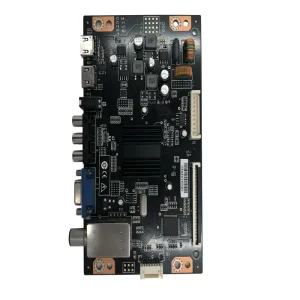
 STHL PCBA