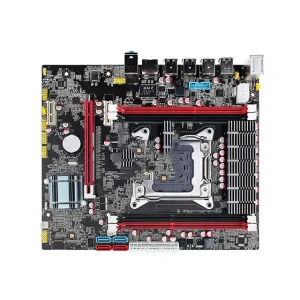
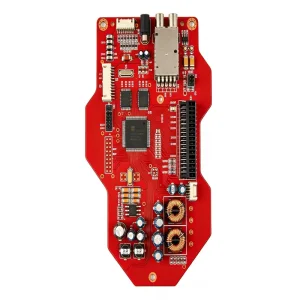
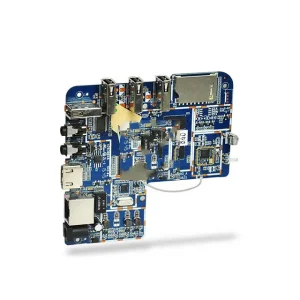
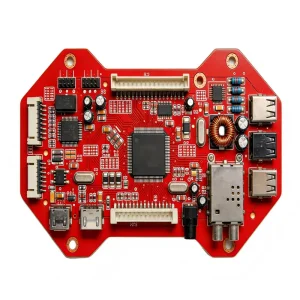
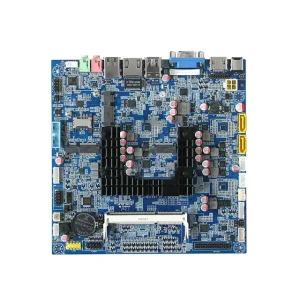
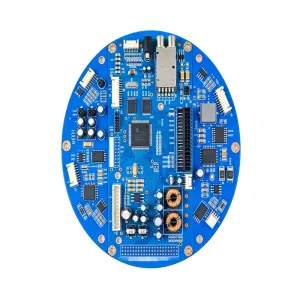
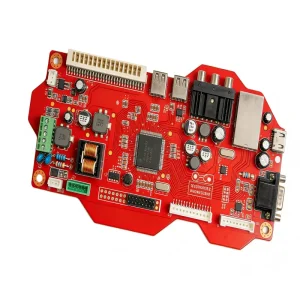
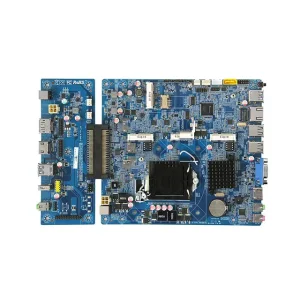
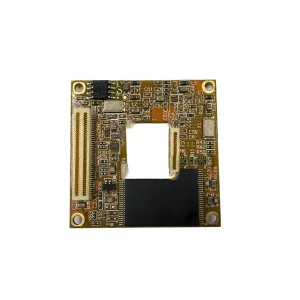
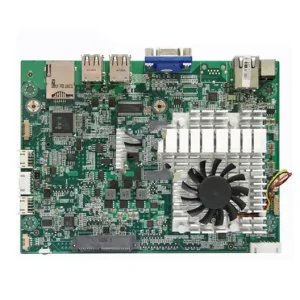
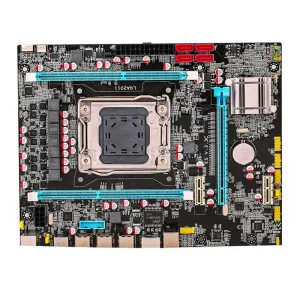
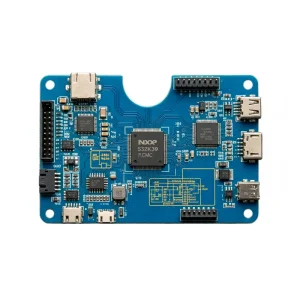
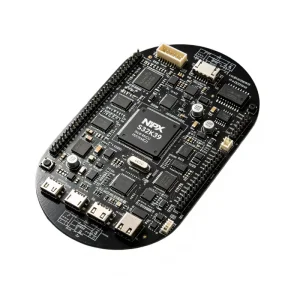
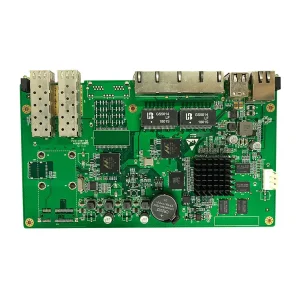
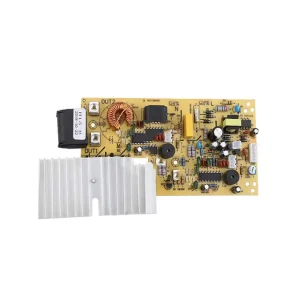
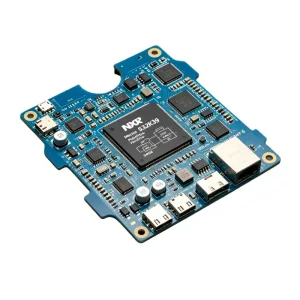
Discover our specialized printed circuit board assemblies engineered for complex industrial, medical, and energy infrastructure applications.
In the rapidly transforming landscape of global electronics, the path from concept to market is governed by a single, critical phase: the prototyping of printed circuit board assemblies (PCBA). Prototype PCB assembly acts as the verification checkpoint where design engineering intersects with physical manufacturing constraints. Precision, materials traceability, and rapid adaptability define the thin boundary between successful product validation and costly market delays. High-reliability sectors—including aerospace, medical equipment, new energy vehicles, and automated industrial control systems—demand PCB design optimization and rapid prototyping loops that perform flawlessly under high-stress conditions.
As modern technology scales down to micro-miniaturized geometries, prototype PCB assemblies face unprecedented design challenges. High-Density Interconnect (HDI) boards, fine-pitch BGA arrays, and integrated radio frequency (RF) paths leave zero room for manufacturing tolerance errors. Working with a world-class contract manufacturer that specializes in quick-turn SMT and THT prototyping eliminates engineering assumptions, ensuring that early-stage hardware designs are optimized for mass production (Design for Manufacturability, or DFM). This paper explores the core systems, supply chain integrations, and manufacturing capabilities required to deliver reliable PCB assemblies to global enterprises.
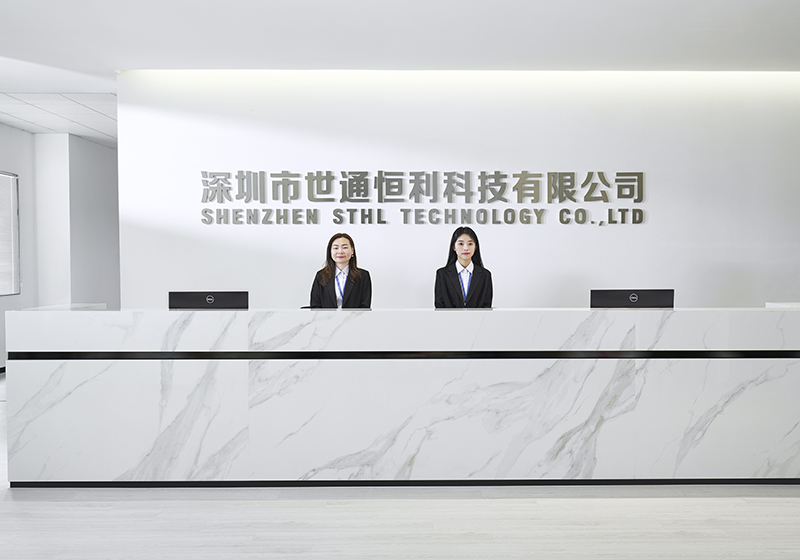
Shenzhen STHL is a high-quality provider of electronics manufacturing services (EMS) in China, we serve customers worldwide along the whole industry chain including PCB layout, components sourcing, PCB fabrication, PCBA assembly, cable assembly, box build assembly and comprehensive testing services.
It was established in 2006, with 20 years of experience in electronics contract assembly manufacturing. Currently, STHL has 220+ staff members. Our 10,000 sqm facilities include 7 SMT assembly lines, 2 DIP/THT lines, 2 function testing lines and 2 finished device assembly lines.
At STHL, we provide electronics assembly services for energy power, communications, automotive, medical, consumer electronics, computers & storage, safety & security, commercial and industrial products. Our customers mainly from USA, Germany, Italy, UK, Poland, New Zealand, Argentina, Brazil, Turkey, Korea, Thailand, and the other 90 regions of the world.
As an IATF16949, ISO9001, ISO14001,and ISO13485 certificated electronics assembly manufacturer, we produce products exactly comply with RoHS standard and quality guarantee. Based on our excellent engineering and production capacities in technical areas such as materials analysis & storage, advanced equipment, reliability testing (AOI, X-RAY, ICT test and function test), high effective SMT and THT assembly, we are recognized as a long-term reliable PCBA vendor by more and more customers worldwide. We welcome you to visit the STHL factory at any time to experience our physical infrastructure first-hand.
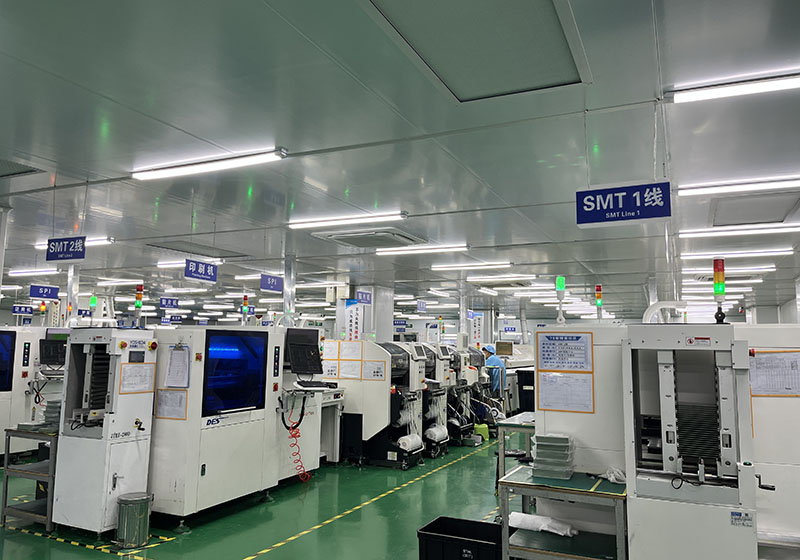
Surface Mount Technology (SMT) is the backbone of high-density electronic assemblies. Our lines utilize ultra-precise component placement systems and advanced thermal profiling ovens to handle complex multi-layer boards.
We can handle a wide range of advanced components, including:
But our commitment to quality goes beyond component expertise. We utilize advanced inspection techniques, including AOI (Automated Optical Inspection) and X-Ray inspection, to guarantee flawless assembly and detect hidden faults beneath package terminals.
While SMT dominates high-density microelectronics, Through-Hole Technology remains critical for industrial control units, high-voltage power electronics, and connection interfaces that undergo significant physical stress. STHL's dedicated DIP/THT lines integrate manual precision with automated wave and selective soldering techniques.
STHL PCBA also excels in Through-Hole Technology (THT) assembly. Our services encompass:
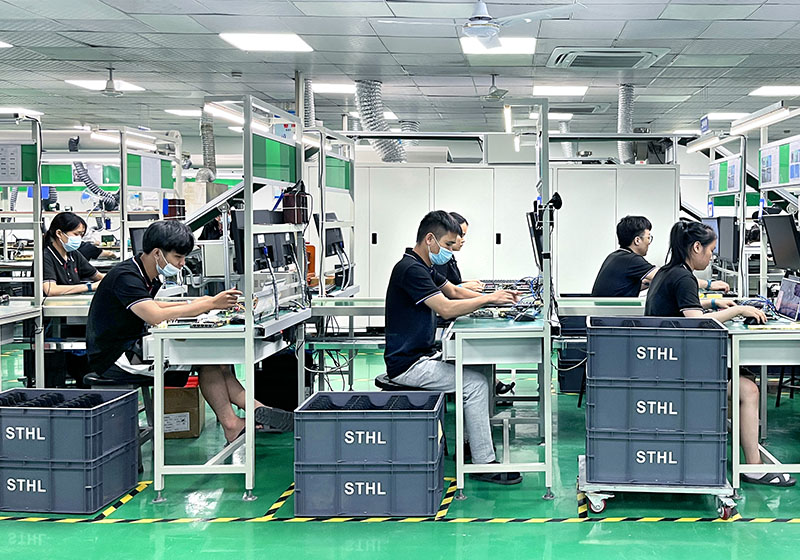
STHL provides comprehensive, end-to-end turnkey manufacturing solutions tailored to the stringent expectations of international tech developers.
STHL operates 7 automated PCB assembly lines for both prototype and mass production. Advanced SMT ensures precise component placement and quality. Skilled technicians provide efficient THT assembly and RoHS-compliant lead-free soldering.
STHL PCB fabrication service produces high-quality, reliable printed circuit boards from simple singles to complex multi-layers, from flex PCB to rigid-flex PCB, we use premium materials and controlled processes to meet precise specifications.
STHL offers global electronic component sourcing and supply chain solutions. Our vast supplier network and expertise ensure access to genuine, certified parts, mitigating risks of counterfeits, allocation, and long lead times to secure your production schedule.
With the precision manufacturing of cable assembly components including handles, retention systems, connectors, and shielding in a wide range of materials and finishes, we have performed many successful cable assemblies for many customers from various industrial applications.
Making your projects at STHL from SMT assembly to box build assembly is very cost-effective and fast to market. Covering everything from putting a PCBA into the enclosure with all functions testing to a complete product assembly packaged and ready for delivery to your customers, we supply full support.
STHL conducts functional testing (FCT) to verify product performance, preventing defects such as circuit issues, missing or incorrect components. This ensures delivered products are stable, reliable, and fully qualified to meet end-user environments.
The concept of "China Factory 4.0" is defined by automated production systems, digitized supply chain workflows, and real-time Quality Management Systems (QMS) integrated across the electronics manufacturing floor. Located in Shenzhen, the global capital of hardware engineering, STHL sits at the epicenter of the electronics component ecosystem. This physical localization permits immediate access to PCB copper clad laminates, basic passives, and active silicon microcontrollers, compressing typical Western raw material acquisition cycles from weeks to hours.
At STHL, Factory 4.0 manifests in our automated Manufacturing Execution System (MES) software. This ecosystem monitors the life cycle of every PCB assembly. Solder paste printers dynamically feedback alignment corrections to the SPI (Solder Paste Inspection) hardware. SMT pick-and-place placement heads utilize optical tracking to verify component coordinate data, instantly adjusting for deviations. By establishing digitized traceabilities from incoming component batch codes to reflow zone temperatures, STHL builds a resilient, highly optimized process that ensures prototype builds perform identical to scale-up runs, dramatically minimizing development iterations and development budgets.
As microelectronics scale downward in size and upward in operational frequency, PCB technology undergoes a rapid shift toward high-density substrates and advanced thermal substrates. Rigid-flex designs and complex multi-layered HDI structures are replacing traditional rigid double-sided boards. The expansion of 5G, automotive radar, and high-frequency communication protocols requires substrate materials to exhibit very low dielectric loss, driving the usage of specialty PTFE or Roger ceramic materials instead of standard FR-4 laminates.
Looking ahead, STHL is continuously investing in equipment capable of handling next-generation component architectures. The integration of passive components directly into the inner layers of the PCB substrate (embedded passives) represents the next frontier, leaving more outer surface space for high-density silicon chips. Additionally, environmental sustainability is reshaping manufacturing chemistry. STHL's technical roadmap prioritizes halogen-free laminates, water-soluble fluxes, and low-temperature lead-free solder pastes that reduce energy consumption during the reflow stage while safeguarding environmental safety standards globally.
For international supply chain managers and global hardware engineers, evaluating contract manufacturers requires careful auditing across quality, speed, and logistics reliability. Large-scale OEMs and fast-growth tech startups require transparency, traceabilities, and a clear path from high-quality prototyping to volume scaling. Prototyping is not just about making a handful of boards; it is about verifying that the Bill of Materials (BOM), trace layouts, and assembly techniques can be repeated consistently at a high yield rate.
To fulfill international enterprise standards, contract manufacturers must offer: (1) Absolute BOM Authenticity: Sourcing from authorized distributors like DigiKey, Mouser, Arrow, and certified local partners to ensure no counterfeit parts slip into critical assemblies; (2) Proactive DFM Reports: Running automated footprint and clearance checks before fabrication to catch design mistakes early; (3) Scalable Quality Control: Translating prototype engineering designs into standardized testing frameworks (ICT, FCT, boundary scan) ready for volume production. STHL’s processes are specifically mapped to support these requirements, offering a seamless transfer from design verification to market scaling.
Navigating global electronics regulations demands that contract manufacturing services are fully compliant with environmental, safety, and physical quality standards across different markets. STHL ensures full compliance for products entering the European Union (CE markings, RoHS/REACH compliance), the United States (UL listing, FCC standards), and other major world regions. Every raw material and component batch undergoes strict traceabilities testing at incoming inspection stages, maintaining clear environmental compliance files.
Furthermore, protecting Intellectual Property (IP) is a critical priority during the prototype stage. We secure customer schematics, Gerber layouts, and proprietary firmware code using isolated networks and strict data protocols. Physical access control systems on the factory floor prevent unauthorized personnel from viewing sensitive assemblies, while strict internal NDAs signed by all engineering staff safeguard your project's technology before it hits the open market.
Find answers to common questions about prototype PCB assembly services, manufacturing standards, and supply chain logistics at STHL.
For standard prototype PCBA orders where parts are ready or sourced quickly, our lead time ranges from 24 to 48 hours for assembly once all PCBs and components are received. Complete turnkey prototype services, including PCB fabrication and full BOM component sourcing, typically require 7 to 10 working days, depending on parts availability.
STHL operates a strict procurement management system. We procure components directly from authorized tier-1 global distributors (e.g., DigiKey, Mouser, Arrow, Avnet) and verified original manufacturers. Any parts sourced from secondary markets go through strict Incoming Quality Control (IQC) inspections, including physical packaging verification, logo analysis, and X-ray inspection to guarantee authentic, high-reliability parts.
To generate a detailed technical quote, we require: (1) Gerber files (RS-274X format or ODB++) for board fabrication; (2) A detailed Bill of Materials (BOM) in Excel format containing manufacturer part numbers, descriptions, footprints, quantities, and designations; (3) Centroid/Pick-and-Place data for coordinates; and (4) Any specific testing, assembly guidelines, or schematic notes.
Yes, we support turnkey, partial-turnkey, and consigned/kitted assembly. Under a turnkey arrangement, STHL manages all PCB fabrication, components sourcing, and assembly logistics. For consigned orders, you provide the components, and we handle the PCB fabrication and high-quality assembly services.
STHL is a fully certified electronics assembly manufacturer. Our quality management system conforms to IATF 16949 (Automotive), ISO 13485 (Medical Devices), ISO 9001 (Quality Management System), and ISO 14001 (Environmental Management System). We build strictly to IPC-A-610 Class 2 and Class 3 standards based on customer specifications.
To guarantee that every shipped board is fully functional, we deploy multiple layers of inspection: 3D Solder Paste Inspection (SPI), Automated Optical Inspection (AOI) for placement checks, high-resolution X-ray inspection for BGA/QFN solder joints, In-Circuit Testing (ICT), and Functional Testing (FCT) designed around client specifications.
Below is our specialized line of high-quality printed circuit board assemblies engineered for communications, automotive electronics, and clinical medical devices.
 STHL PCBA