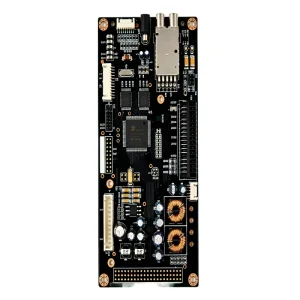
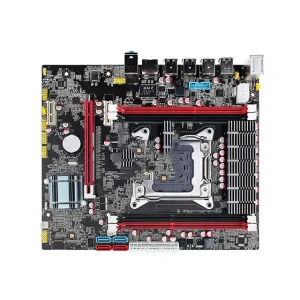
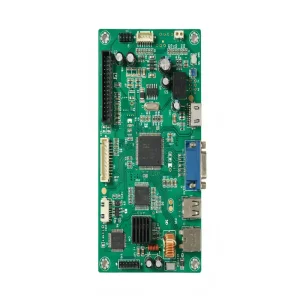
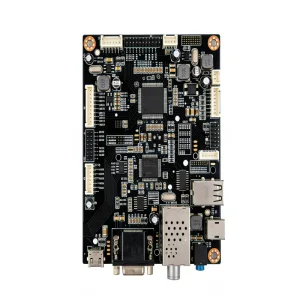
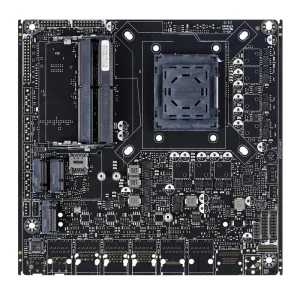
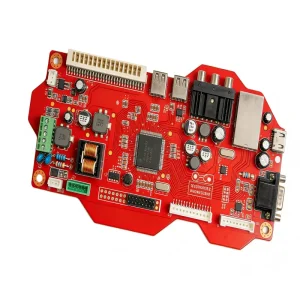
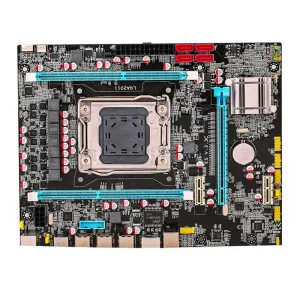
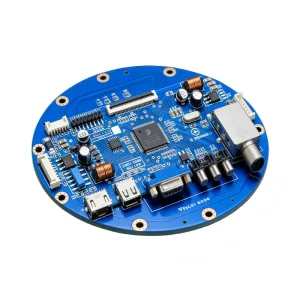
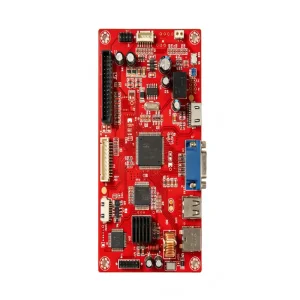
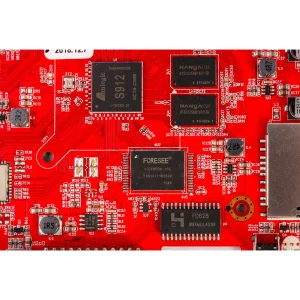
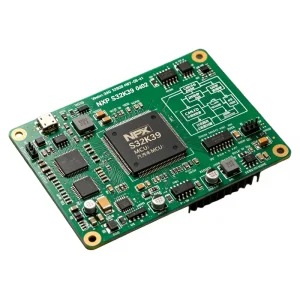
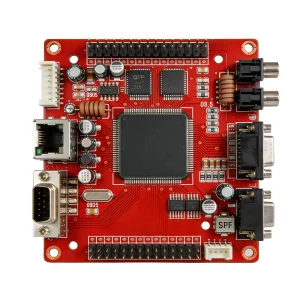
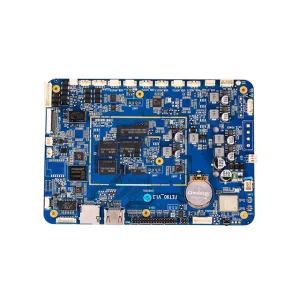
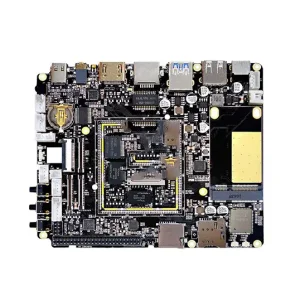
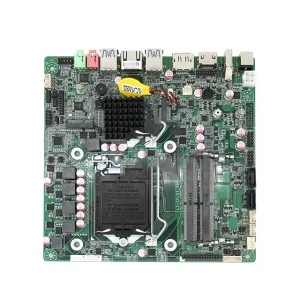
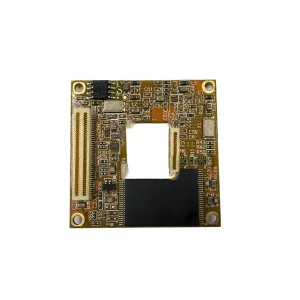
Explore our advanced surface mount technology fabrications customized for medical, IoT, consumer smart devices, and high-reliability aerospace applications.
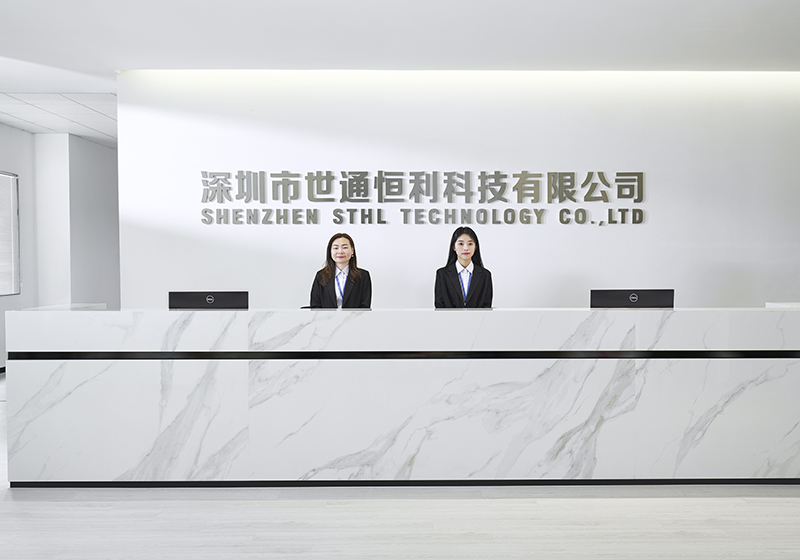
Founded in 2006, Shenzhen STHL Technology Co., Ltd. has evolved over nearly 20 years into a premier provider of Electronics Manufacturing Services (EMS) in China. Operating from a state-of-the-art 10,000 square meter facility with more than 220 highly skilled technicians, we integrate advanced technology, agile methodologies, and strict quality control systems. Our facility houses 7 high-speed SMT assembly lines, 2 DIP/THT lines, 2 functional testing (FCT) lines, and 2 completed product box-build lines, allowing us to manage complex turn-key projects from prototype through high-volume mass production.
We serve a globally diverse customer base across the USA, Germany, Italy, UK, Poland, New Zealand, Argentina, Brazil, Turkey, Korea, Thailand, and 90 other regions. Our operational philosophy is built on robust certifications including IATF16949 for automotive electronics, ISO13485 for medical devices, ISO9001 for general quality systems, and ISO14001 for environmental management. Every PCB assembly manufactured at STHL strictly adheres to RoHS and REACH environmental regulations, ensuring safety, reliability, and long-term viability in demanding international markets.
Through our comprehensive material analysis, automated optical inspection (AOI), 3D X-Ray testing, and in-circuit testing (ICT), we mitigate risks associated with electronic manufacturing, positioning STHL as a dependable long-term partner in the global PCBA market.
Understanding the tectonic shifts in electronic manufacturing services, driven by high-density designs, global trade re-alignments, and the rising demand for intelligent systems.
The global electronics industry is undergoing a significant transition. In this landscape, Surface Mount Technology (SMT) serves as a foundational element, supporting advances in artificial intelligence, Internet of Things (IoT), autonomous transport, and portable medical diagnostics. The requirement for smaller, lighter, and more energy-efficient electronic devices has driven SMT engineering toward micro-miniaturization, utilizing ultra-fine pitch components such as 01005 chip sizes and complex Package-on-Package (PoP) systems. Consequently, OEM manufacturers must maintain precise control over solder paste printing, thermal profiling, and components placement accuracy.
In addition to these technical challenges, international procurement teams face macroeconomic shifts. Global supply chain disruptions, component shortages, and fluctuating geopolitical situations emphasize the need for resilience and adaptability. Modern enterprises no longer rely solely on low-cost manufacturing; they require agile EMS partners capable of providing comprehensive Design for Manufacturing (DFM) analysis, secure component traceability, and adaptable manufacturing lines. This shift has established China's advanced manufacturing hubs, particularly in Shenzhen, as essential nodes that combine supply chain depth with digital manufacturing systems (Factory 4.0) to deliver reliable, high-yield production.
Furthermore, sustainability standards like RoHS, REACH, and WEEE require electronics contract manufacturers to implement lead-free soldering processes, maintain non-hazardous material flows, and document complete component trace histories. STHL meets these market challenges by combining engineering expertise with robust supply networks, enabling global brands to design, validate, and scale their electronic products securely.
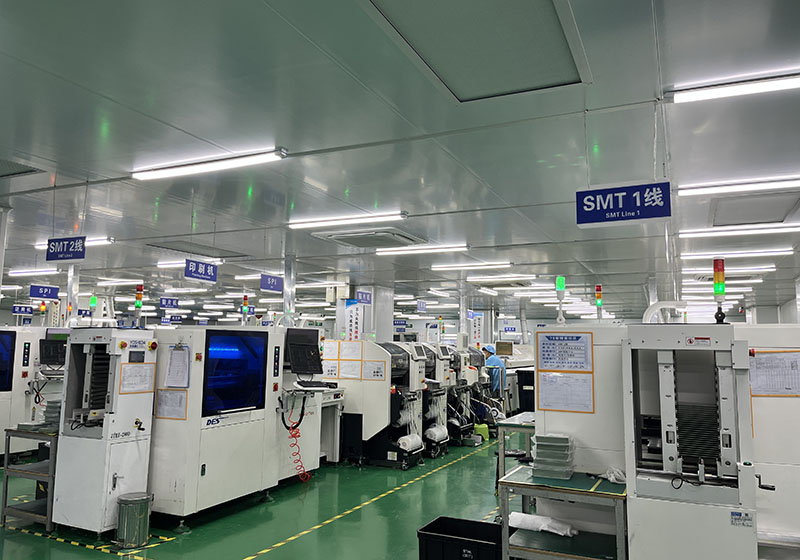
STHL specializes in assembling high-density, complex printed circuit board assemblies (PCBA) using state-of-the-art surface mount technology equipment. Our automated SMT lines are configured to place a wide range of component packages with high repeatability and precision. We support challenging designs, including:
To support our SMT lines, we employ advanced inspection protocols, including automated inline AOI, high-magnification 3D X-Ray inspection, and in-circuit testing, to help identify and resolve defects before shipping.
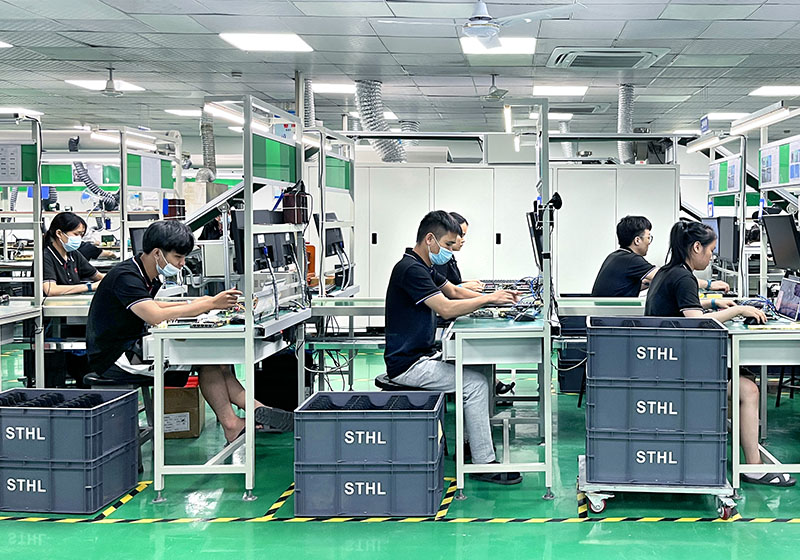
While SMT handles high-density, high-frequency signals, Through-Hole Technology (THT) remains essential for components subject to mechanical stress, thermal cycling, or high current loads. STHL maintains dedicated THT production lines that complement our SMT lines. Our capabilities include:
How STHL utilizes digitized workflows, regional supply chain access, and rigorous testing protocols to manage costs and production schedules.
Operating in Shenzhen, China, STHL has access to a mature electronics manufacturing ecosystem. This location enables rapid prototyping, same-day component sourcing, and efficient collaboration with raw material suppliers. However, raw supply chain access is only part of the solution; we apply Factory 4.0 digitization across our entire manufacturing workflow. Our enterprise resource planning (ERP) systems track orders from BOM validation through production to final shipping. By digitizing our inventory and material controls, we verify component authenticity, track batch numbers, and monitor moisture-sensitive devices (MSD) to reduce risks related to counterfeit components and shelf-life expiration.
Our quality management system is based on our automotive and medical certifications. For example, our IATF16949 certification requires us to apply Failure Mode and Effects Analysis (FMEA), Statistical Process Control (SPC), and Measurement System Analysis (MSA) throughout our processes. If a variance in solder paste height or placement accuracy is detected during production, our engineering teams are notified, allowing them to adjust parameters immediately. This closed-loop quality system minimizes scrap rates and helps ensure that delivered products function reliably in their final applications.
In addition, our global component sourcing team works directly with verified distributors (such as Arrow, Avnet, and Future Electronics) as well as certified local manufacturers. This dual-source approach allows us to suggest functional alternatives during shortages, helping customers manage lead times and maintain production schedules.
A full suite of design, fabrication, assembly, and testing capabilities tailored to support the entire lifecycle of your electronic products.
STHL operates 7 automated SMT lines alongside manual and selective soldering stations. We process components down to 01005 and handle complex BGA alignments for prototypes and production volumes.
Our PCB fabrication services cover multi-layer rigid boards, flexible circuits (FPC), and rigid-flex configurations. We work with various substrate materials, including FR4, Rogers, metal cores, and high-Tg laminates.
Our procurement network coordinates with authorized global distributors to secure authentic components. We perform incoming inspections and implement trace codes to address supply chain risks.
We manufacture custom cable assemblies and wire harnesses with shielding, over-molded connectors, and strain relief to ensure reliable power and signal transmission in industrial systems.
Our box-build services encompass mechanical design integration, plastic/metal enclosure assembly, wiring runs, display mounting, and final packaging for ready-to-ship products.
We develop custom functional test environments to check operation at the board and system level, helping to catch defect types like out-of-tolerance signals or firmware load issues.
How STHL delivers tailored PCBA solutions that conform to specific environmental and performance requirements across core industry verticals.
Modern vehicles require high reliability from their electronic systems. At STHL, our automotive PCBA lines manufacture components for electronic parking brakes (EPB), battery management systems (BMS), and advanced driver-assistance systems (ADAS). These boards are designed to handle thermal cycling, engine compartment vibration, and high electromagnetic interference. We utilize lead-free reflow profiles, selective wave soldering, and automated optical inspection (AOI) to meet automotive standards.
Medical electronics require consistent, long-term performance. We assemble boards for glucose monitors, digital hearing aids, and biological monitoring systems. These assemblies demand cleanroom handling, trace documentation, and precise soldering of fine-pitch components (such as 0201 passives and 0.4mm pitch BGAs). STHL provides complete testing and tracking for medical components, helping customers meet medical regulatory approvals.
For demanding environments, STHL manufactures aerospace-grade assemblies and industrial power quality analyzers. These boards feature heavy copper layers, polyimide substrates, and specialized conformal coatings to resist moisture, dust, and temperature extremes. We apply IPC Class 3 workmanship criteria, thermal cycling tests, and functional verification to confirm that these boards remain operational under mechanical stress.
Smart wearables, IoT sensor nodes, and smart speakers require small, power-efficient designs. We support these applications with thin rigid-flex PCBs, double-sided SMT layouts, and integrated Bluetooth/WiFi RF modules. We focus on optimizing RF matching circuits and verifying component placement under tight space constraints, helping customers move quickly from prototyping to volume production.
Review clear answers to common questions about design, manufacturing capabilities, and quality assurance processes.
A: Our engineering team reviews all design files (Gerber, BOM, and assembly drawings) prior to production. We analyze component footprints, trace spacing, thermal relief, via locations, and panel layouts. This helps identify issues like potential tombstoning or solder bridging before stencils are cut and assembly begins.
A: For components with hidden solder connections like BGAs and QFNs, we use 3D automated optical inspection (AOI) to check the exterior placement, followed by 3D X-Ray transmission imaging. The X-ray inspection checks for interior defects, including solder voiding, bridging, and alignment issues, without damaging the board.
A: We typically use lead-free SAC305 (Tin-Silver-Copper) alloys for SMT and wave soldering. Our reflow ovens utilize multi-zone thermal profiles that are adjusted to match the thermal mass of the board, helping ensure complete solder wetting without overheating sensitive components.
A: Our sourcing team monitors component lifecycles using database tracking tools. If a component is flagged as end-of-life (EOL) or has long lead times, we notify the customer and propose drop-in replacements or minor layout modifications to keep production moving.
A: Yes, we manufacture and assemble both flexible (FPC) and rigid-flex boards. We design custom carrier fixtures to hold the flexible boards flat during solder paste printing and SMT component placement, ensuring consistent alignment and connections.
A: We offer a range of testing options, including in-circuit testing (ICT), automated flying probe testing for smaller runs, and custom functional testing (FCT). FCT simulates the board's final operating environment to check voltages, currents, and communication interfaces.
Explore additional PCBA products, including automotive controllers, smart home devices, server boards, and monitoring instruments.
 STHL PCBA