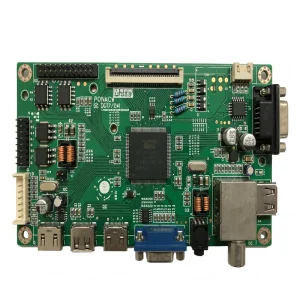
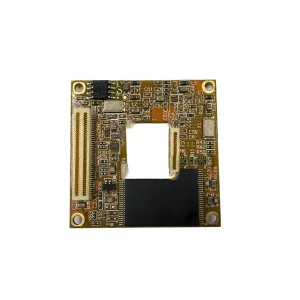
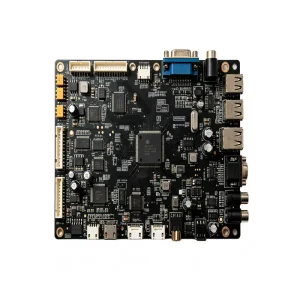
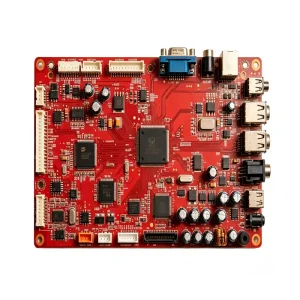
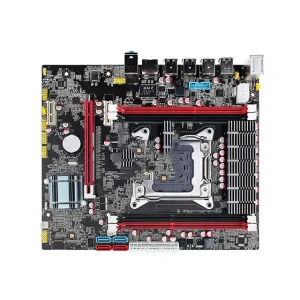
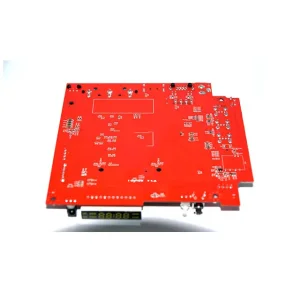
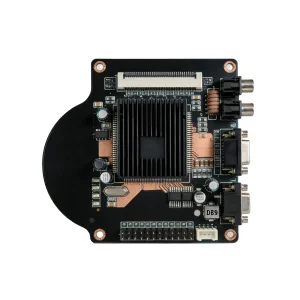
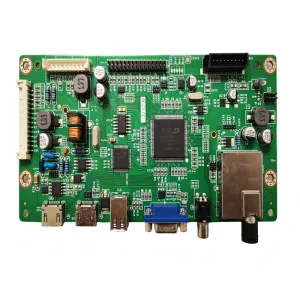
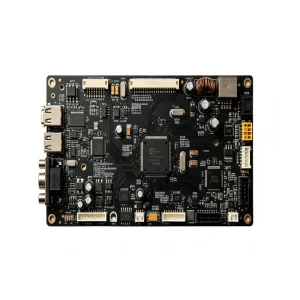
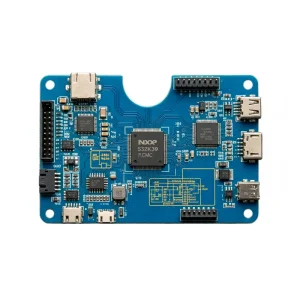
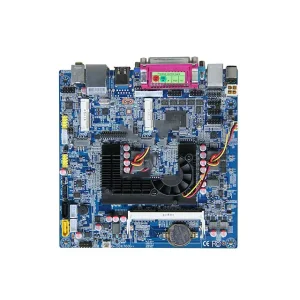
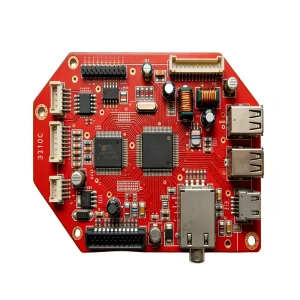
Discover our highly specialized electronic manufacturing services, running from rigid backlight strips to advanced industrial controllers.
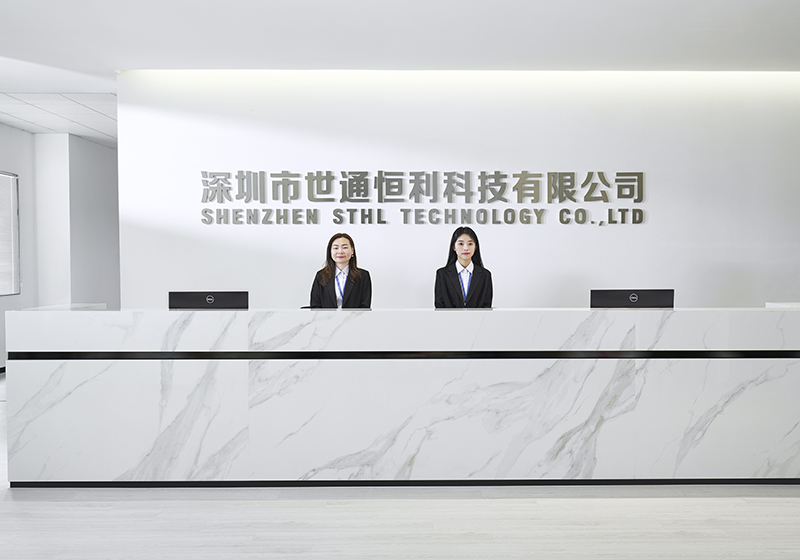
Shenzhen STHL is a premier, high-quality provider of electronics manufacturing services (EMS) based in China, catering to an expansive global network. We serve clients across the entire industry chain, offering a seamless lifecycle coverage including advanced PCB layout, global component sourcing, custom PCB fabrication, high-precision PCBA assembly, specialized cable assembly, robust box build assembly, and rigorous, comprehensive testing routines.
Established in 2006, STHL has built over 20 years of solid, hands-on experience in electronics contract assembly manufacturing. Our modern, ISO-compliant 10,000 sqm production facility currently houses a workforce of over 220 skilled specialists. It features 7 highly automated SMT lines, 2 DIP/THT lines, 2 dedicated functional testing (FCT) lines, and 2 state-of-the-art final box build packaging lines.
From industrial and commercial energy systems to critical medical devices and high-reliability automotive controllers, we engineer tailored boards for dynamic fields. Our extensive footprint covers major global hubs in the USA, Germany, Italy, UK, Poland, New Zealand, Argentina, Brazil, Turkey, Korea, Thailand, and over 90 regions globally.
Understanding the complex regulatory, material, and geometric demands of global enterprises sourcing Flex Circuit Boards.
Modern aerospace architectures depend on flexible circuitry to reduce weight by up to 70% compared to traditional wire harnesses. Our aerospace solutions utilize high-grade polyimide substrates that maintain electrical integrity within extreme thermal ranges (-200°C to +400°C) and comply with strict vibration damping profiles.
Medical electronics require biocompatibility and extreme miniaturization. We manufacture ultra-thin, high-density interconnect (HDI) flex boards for wearable sensors, endoscopic imaging, and diagnostics, certified under ISO 13485 to guarantee zero failures in life-support configurations.
As electric vehicles shift toward modular BMS (Battery Management Systems), space-saving flex circuits replace heavy busbars. Designed in accordance with IATF 16949 standards, our automotive-grade flex and rigid-flex systems guarantee robust connectivity under constant thermal cycling.
While regional facilities handle early prototyping, China remains the epicenter of high-volume FPC raw materials (PI, copper, coverlay) and downstream components. Partnering with STHL integrates your supply chain with Shenzhen’s industrial cluster, reducing raw material lead times by up to 45% while optimizing total cost of ownership (TCO).
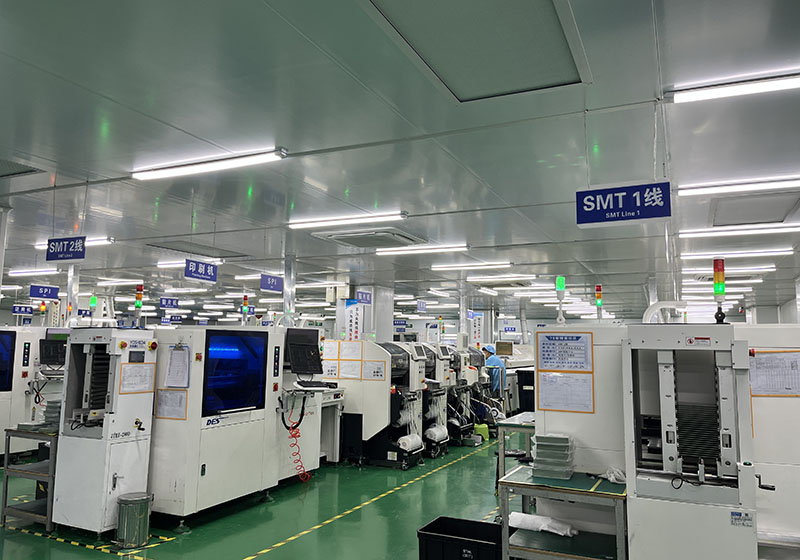
Precision is key for SMT lines dealing with ultra-thin flexible substrates. Flexible printed circuit boards require custom vacuum fixtures during assembly to maintain a perfectly flat surface, preventing warp and ensuring accurate pad alignment. We process a wide range of advanced, fine-pitch components, including:
Our commitment to defect-free manufacturing is backed by automated inspection techniques. We run 3D Automated Optical Inspection (AOI) on all batches and utilize advanced X-Ray inspection for BGA solder joints to guarantee reliable connections.
Even in the age of miniaturization, heavy-duty connectors, high-power components, and terminal blocks rely on Through-Hole Technology (THT) for mechanical strength and durability. STHL offers extensive expertise in THT assembly, featuring:
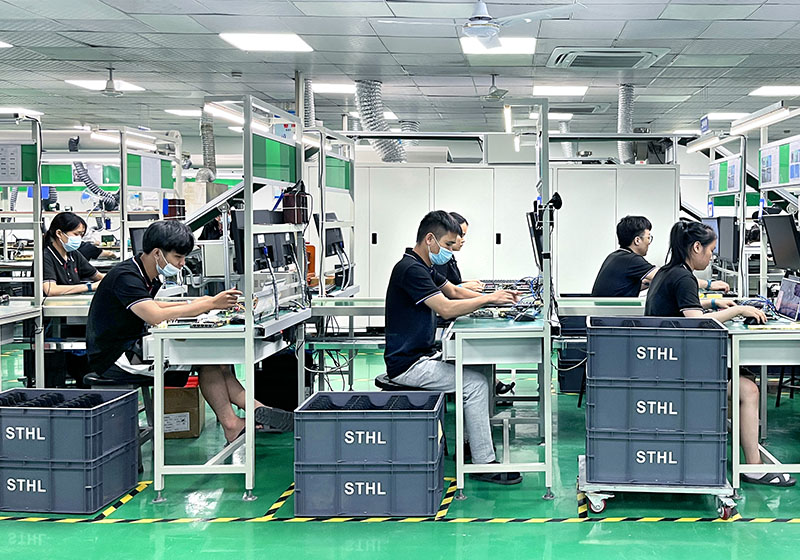
Our vertically integrated production lines deliver end-to-end support, speeding up your time-to-market.
STHL operates 7 automated PCB assembly lines for both prototype and mass production. Advanced SMT ensures precise component placement and quality. Skilled technicians provide efficient THT assembly and RoHS-compliant lead-free soldering.
STHL PCB fabrication service produces high-quality, reliable printed circuit boards from simple singles to complex multi-layers, from flex PCB to rigid-flex PCB, we use premium materials and controlled processes to meet precise specifications.
STHL offer global electronic component sourcing and supply chain solutions. Our vast supplier network and expertise ensure access to genuine, certified parts, mitigating risks of counterfeits, allocation, and long lead times to secure your production schedule.
With the precision manufacturing of cable assembly components including handles, retention systems, connectors, and shielding in a wide range of materials and finishes, we have performed many successful cable assembly for many customers from various industrial applications.
Making your projects at STHL from SMT assembly to box build assembly is very cost-effective and fast to market. Covering everything from putting a PCBA into the enclosure with all functions testing to a complete product assembly packaged and ready for delivery to your customers, we can supply the full support.
STHL conducts functional testing (FCT) to verify product performance, preventing defects such as circuit issues, missing or incorrect components. This ensures delivered products are stable and fully qualified.
Strategic insights into next-generation substrates, trace geometries, and structural advancements.
Understanding flexible electronics starts with base materials. Traditional rigid boards rely on FR4 (fiberglass and epoxy resin), whereas flexible circuits depend on polyimide (PI) or polyester (PET) films. Polyimide offers high thermal stability, flexibility, and resistance to environmental stress, making it the industry standard for high-performance applications.
STHL's development roadmap focuses on resolving complex geometries, including:
Understanding the standard FPC layers is crucial for designing robust, flex-tolerant hardware. A standard double-sided flex circuit includes:
Meeting international quality regulations to ensure seamless integration into global supply chains.
Navigating global electronics trade requires compliance with multiple standards. STHL is a fully certified manufacturer holding critical approvals, including:
For cross-border procurement, we provide localized support, including comprehensive documentation (COC, material trace certificates, cross-section analysis reports) to clear customs efficiently and simplify testing upon arrival at your facility. This prevents delays and ensures smooth logistics.
Direct answers to technical queries, sourcing concerns, and flex manufacturing limits.
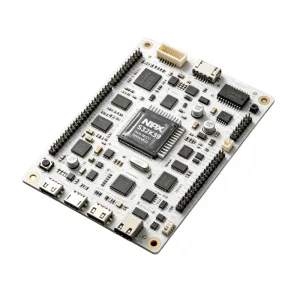
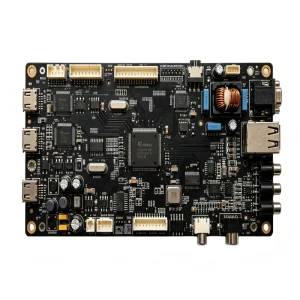
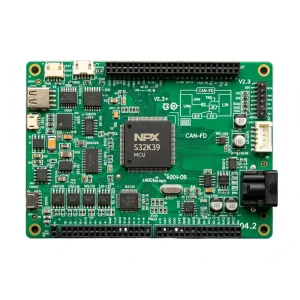
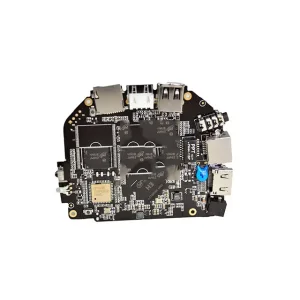
Explore our specialized assemblies, designed for medical workstations, automotive ECUs, and high-frequency communication routers.
 STHL PCBA