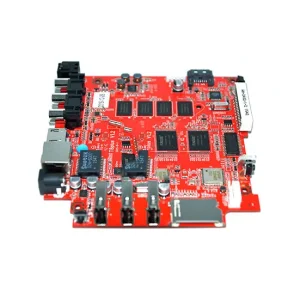
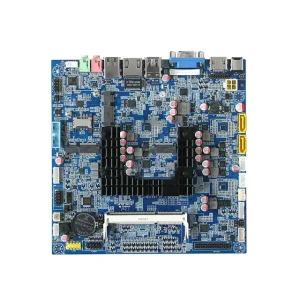
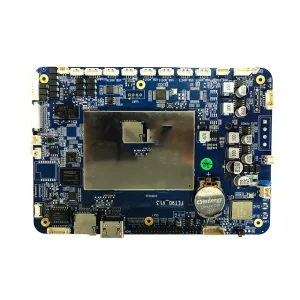
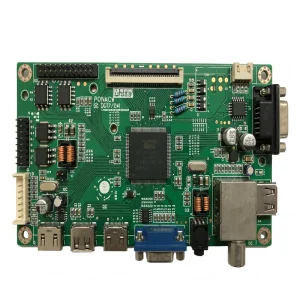
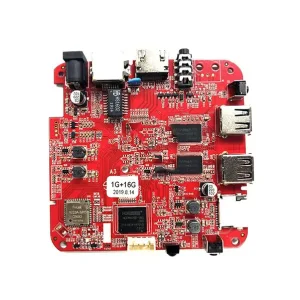
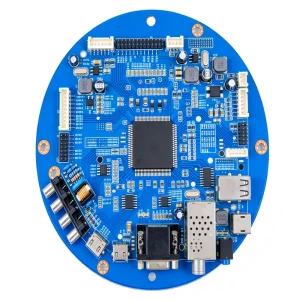
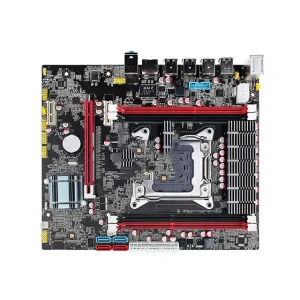
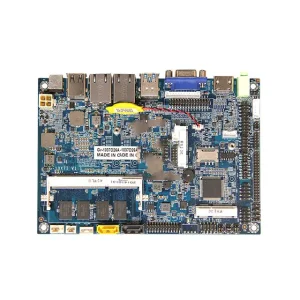
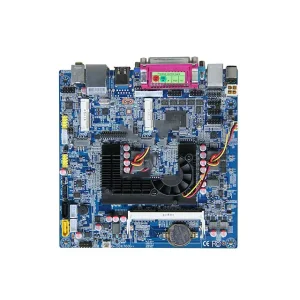
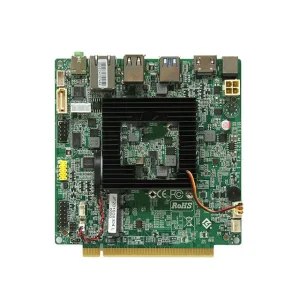
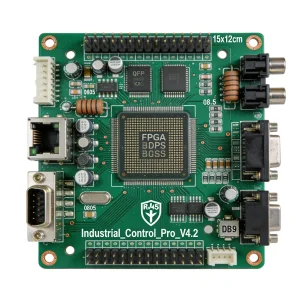
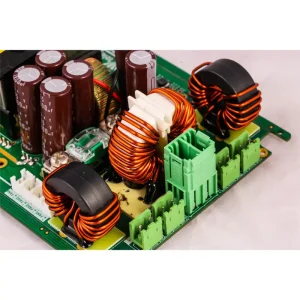
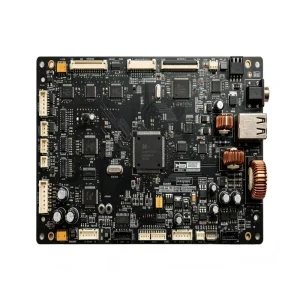
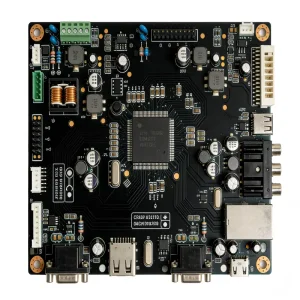
Explore our core engineering capabilities and highly-requested board configurations designed for harsh industrial, automotive, and commercial environments.
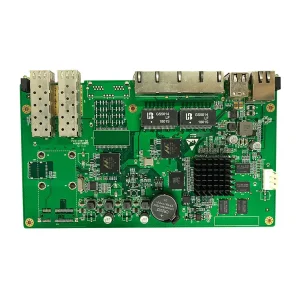
Analyzing industrial shifts, engineering parameters, and manufacturing ecosystem dynamics in the modern B2B hardware marketplace.
The electronic hardware sector is undergoing a profound paradigm shift. As hardware products shrink in physical dimensions while demanding higher computational power, standard rigid printed circuit boards often fail to fit within complex, three-dimensional spatial constraints. This dynamic has accelerated the global adoption of Flexible Printed Circuits (FPCs) and Rigid-Flex PCBs. Flexible circuit technology utilizes polyimide (PI) or polyester (PET) base substrates to route signals across moving parts, irregular contours, or compact spaces.
In modern industrial applications, flexible circuits serve as the central nervous system for battery management systems (BMS) in electric vehicles, micro-sized camera modules in smartphones, dynamic heads in medical imaging scanners, and high-frequency communication switches. By eliminating heavy wire harnesses and complex manual connectors, flexible circuits improve system signal integrity, minimize electromagnetic interference (EMI), and dramatically reduce overall assembly weights.
When outsourcing FPC and PCBA production, engineers and procurement leads face significant risks related to lead times, raw material sourcing, and specialized equipment costs. China, particularly Shenzhen, represents the most vertically integrated electronics manufacturing ecosystem globally.
An FPC design requires specialized chemistry, precise laser drilling, and automated component pick-and-place fixtures because of the substrate's flexible nature. By keeping fabrication, component sourcing, SMT assembly, and functional testing within a single regional hub, Chinese factories like STHL PCBA optimize the product lifecycle from initial schematic layouts to completed box builds.
Furthermore, our localization within Shenzhen gives us direct access to raw material suppliers, reducing component procurement times from weeks to days, and securing genuine parts directly from certified distributors.
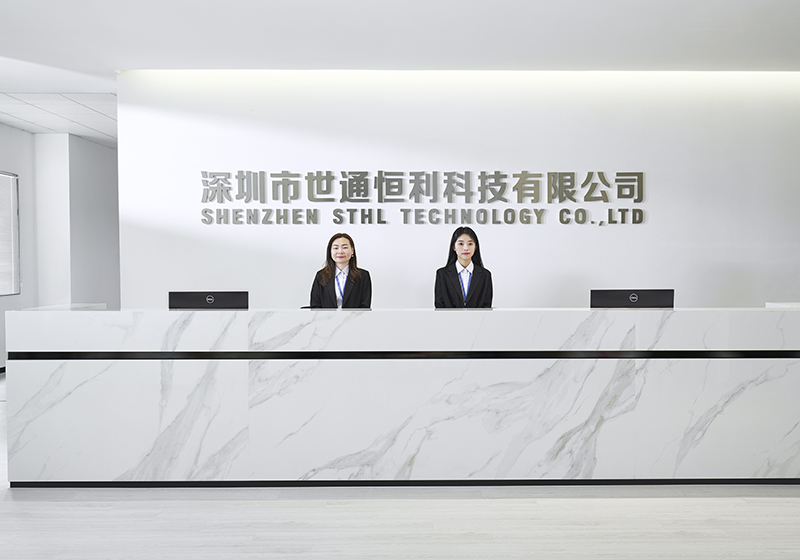
Shenzhen STHL is a high-quality provider of electronics manufacturing services (EMS) in China. We serve customers worldwide along the whole industry chain including PCB layout, components sourcing, PCB fabrication, PCBA assembly, cable assembly, box build assembly and comprehensive testing services.
Established in 2006, with 20 years of experience in electronics contract assembly manufacturing, STHL has grown to support over 220 staff members. Our 10,000 sqm facilities include 7 SMT assembly lines, 2 DIP/THT lines, 2 function testing lines and 2 finished device assembly lines.
At STHL, we provide electronics assembly services for energy power, communications, automotive, medical, consumer electronics, computers & storage, safety & security, commercial and industrial products. Our customers mainly come from the USA, Germany, Italy, UK, Poland, New Zealand, Argentina, Brazil, Turkey, Korea, Thailand, and other 90 regions of the world.
As an IATF16949, ISO9001, ISO14001, and ISO13485 certificated electronics assembly manufacturer, we produce products exactly comply with RoHS standard and quality guarantee. Based on our excellent engineering and production capacities in technical areas such as materials analysis & storage, advanced equipment, reliability testing (AOI, X-RAY, ICT test and function test), highly effective SMT and THT assembly, we are recognized as a long-term reliable PCBA vendor by more and more customers worldwide.
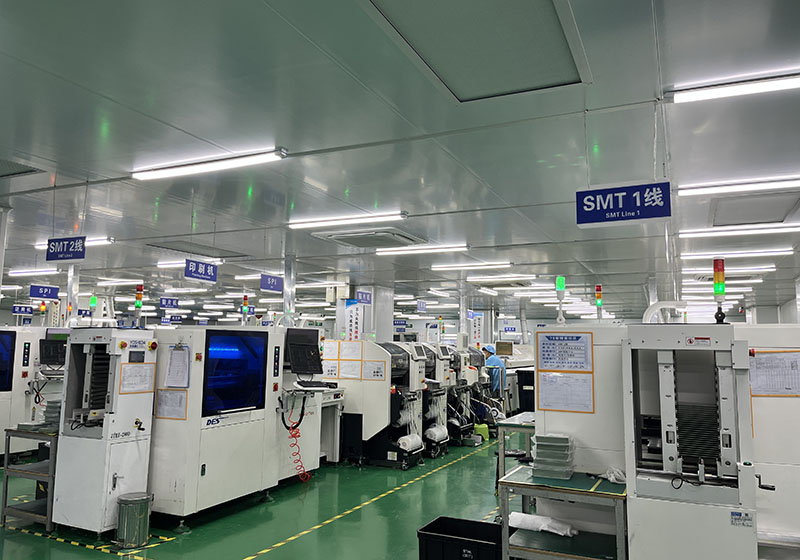
Dynamic flexible circuits and high-density rigid boards require precise surface mount placement. Our assembly processes are engineered to handle a wide range of advanced components, including:
Our commitment to quality extends beyond placement machinery. We utilize 3D automated optical inspection (AOI) and high-resolution X-Ray inspection systems to identify hidden solder voids, short circuits, or component misalignments beneath BGA packages.
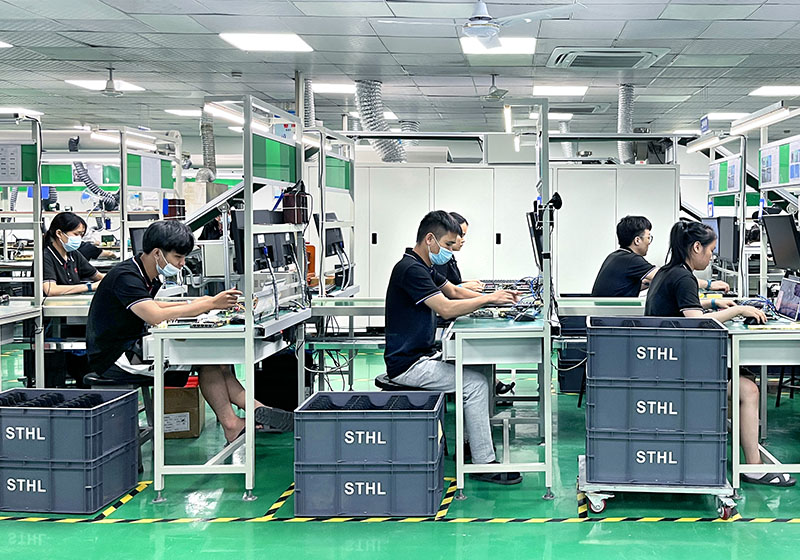
For robust industrial mechanical connections, high-voltage power boards, and rugged automotive applications, Through-Hole Technology remains a critical manufacturing requirement. STHL PCBA excels in both high-speed automated THT and precision hand assembly:
End-to-end capabilities tailored to accelerate your hardware design from prototyping phases to mass scale market distribution.
STHL operates 7 automated PCB assembly lines for both prototype and mass production. Advanced SMT ensures precise component placement and quality. Skilled technicians provide efficient THT assembly and RoHS-compliant lead-free soldering.
STHL PCB fabrication service produces high-quality, reliable printed circuit boards from simple singles to complex multi-layers, from flex PCB to rigid-flex PCB, we use premium materials and controlled processes to meet precise specifications.
STHL offers global electronic component sourcing and supply chain solutions. Our vast supplier network and expertise ensure access to genuine, certified parts, mitigating risks of counterfeits, allocation, and long lead times to secure your production schedule.
With the precision manufacturing of cable assembly components including handles, retention systems, connectors, and shielding in a wide range of materials and finishes, we have performed many successful cable assemblies for industrial applications.
Making your projects at STHL from SMT assembly to box build assembly is cost-effective and fast to market. Covering everything from putting a PCBA into the enclosure with all functions testing to packaging the final product, we provide full support.
STHL conducts functional testing (FCT) to verify product performance, preventing defects such as circuit issues, missing or incorrect components. This ensures delivered products are stable and fully qualified before leaving our facility.
How dynamic flex circuits are redefining design limitations across medical, automotive, and high-frequency communication sectors.
Standard rigid boards are prone to solder joint fracturing under continuous mechanical vibration. For dynamic applications, flexible circuits are the default choice. Key implementation areas include:
As IoT networks grow, demand is shifting toward finer line spacing and trace widths (less than 50μm). This requires advanced fabrication technologies, such as modified semi-additive processes (mSAP), to replace standard subtractive chemical etching.
Additionally, high-frequency applications like 5G infrastructure utilize Liquid Crystal Polymer (LCP) as an alternative to standard Polyimide. LCP features ultra-low moisture absorption and a low dissipation factor, which minimizes signal attenuation at millimeter-wave frequencies. STHL continues to align its fabrication capabilities with these material shifts to meet demanding B2B design specifications.
Designing flexible circuits requires a unique approach compared to rigid FR4 designs. To prevent copper trace cracks during installation or dynamic operation, engineers should follow these essential DFM guidelines:
Detailed technical and commercial insights to assist hardware developers, engineers, and procurement professionals.
View our additional specialized electronics assembly solutions designed for global industrial, communication, and power systems.
 STHL PCBA