Understanding System Integration and the Shift Toward Consolidated Turnkey Manufacturing Solutions
In the rapidly changing electronics landscape, developers and OEMs are moving away from fragmented supply chains. Box Build Manufacturing (often referred to as full system integration) represents the pinnacle of electronics manufacturing services. By combining Printed Circuit Board Assembly (PCBA), complex wire harness installation, sheet metal or injection-molded enclosure integration, functional verification, and environmental stress testing under a single roof, contract manufacturing minimizes risks, decreases lead times, and reduces production costs.
Historically, engineering teams designed a PCB, sent the Gerber files to one shop, purchased structural components from a second, sourced cable assemblies from a third, and finally performed manual integration in their own warehouse. Today, the global commercial and industrial sectors require a streamlined strategy. From IoT-driven smart energy grids to lifesaving medical diagnostics equipment, advanced electro-mechanical systems demand certified consistency, rigid quality control, and strict traceabilities—qualities that are only achievable by leveraging high-level system-building partners.
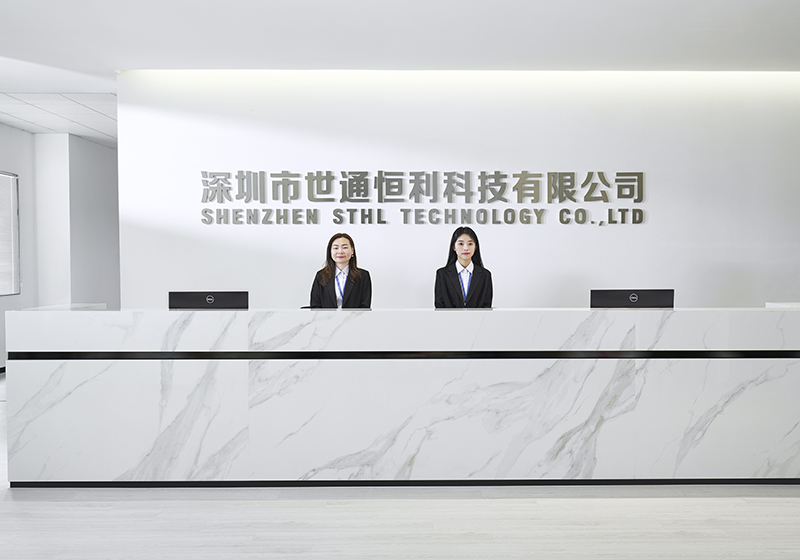
Established in 2006, Shenzhen STHL has evolved into a premier high-quality provider of electronics manufacturing services (EMS) in China. We serve a sophisticated global clientele along the entire industry chain, delivering end-to-end solutions that span from PCB design and layout verification to high-density components sourcing, bare-board fabrication, advanced SMT/THT PCBA, custom cable assembly, full box build integration, and end-of-line verification testing.
With 20 years of experience in electronics contract assembly manufacturing, STHL houses over 220 skilled workers and engineers. Our state-of-the-art 10,000 sqm facilities are configured to handle diverse requirements, featuring:
How our advanced manufacturing capabilities ensure reliability for complex electronic layouts
Modern board assemblies require placement tolerances measured in microns. At STHL, our engineering team manages advanced micro-electronics configurations:
High-vibration industrial sectors—such as automotive gearbox units and power supply grids—require the physical structural integrity that only Through-Hole Technology provides:
Providing specialized systems manufacturing across key global sectors
Patient care calls for zero-fault reliability. We manufacture anesthesia delivery computers, telemetry monitors, and clinical ECG systems. Every box build is subjected to strict tracing and functional profiling to protect patient health.
Thermal extremes, road vibrations, and electromagnetic noise demand robust construction. STHL manufactures complex Transmission Control Units (TCU), battery management sensors, and electric vehicle system housings.
Industrial environments present unique challenges. From wastewater management telematics to gas leak safety networks, we produce assemblies designed to function in high-humidity, high-temperature, and corrosive atmospheres.
The step-by-step engineering pathway from raw components to finished retail-ready products
Before assembly begins, our design engineering team conducts a thorough Design for Manufacturability (DFM) review. We analyze structural tolerances, trace routes, and assembly clearances. Concurrently, our supply chain team reviews materials to prevent counterfeit components and minimize supply risks.
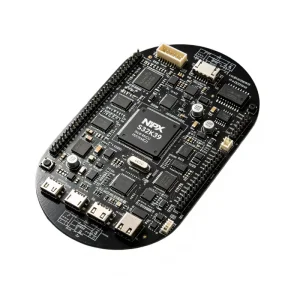
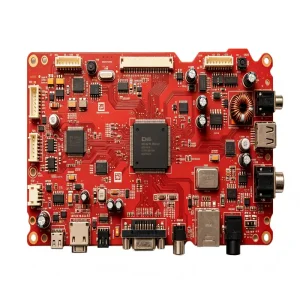
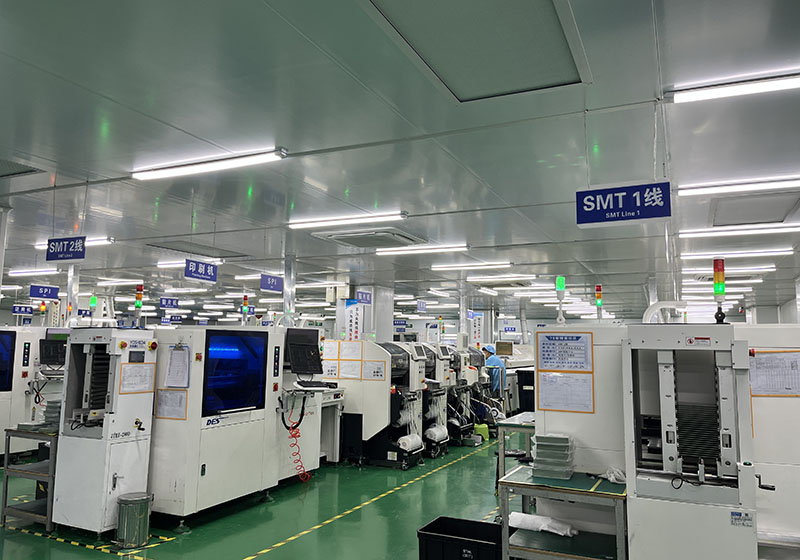
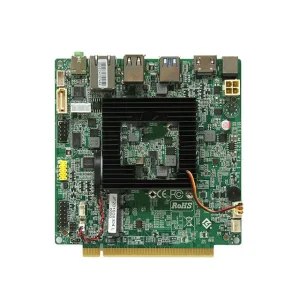
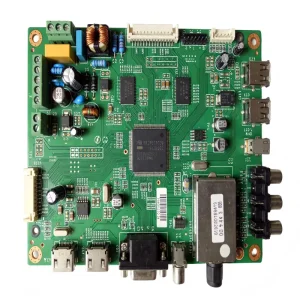
Bare PCBs are processed through our 7 automated SMT lines. Components are placed via precision pick-and-place units before moving through reflow ovens. DIP components are hand-inserted or wave-soldered. Quality is verified using dual-camera AOI and X-Ray systems.
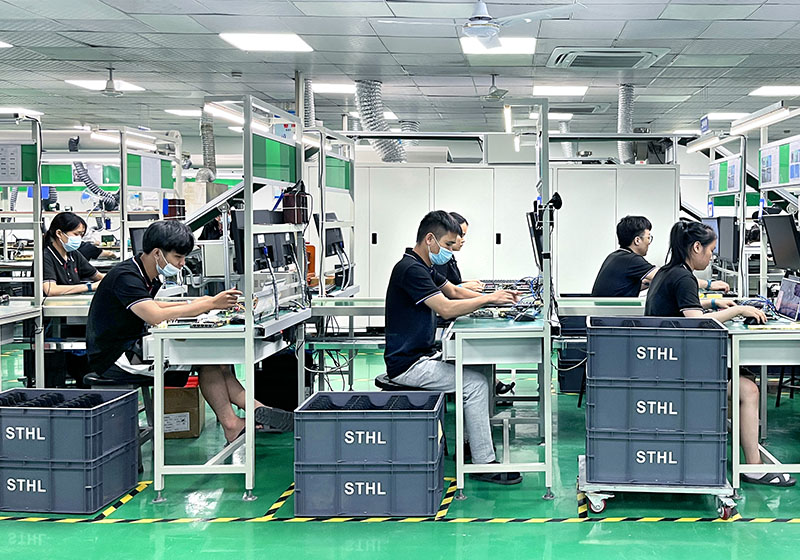
Sub-assemblies are integrated into the final chassis. Technicians route internal power and signal cables, install mechanical retention locks, mount display terminals, and secure cable shields. Each physical fitment conforms to specified torque requirements.
Finished assemblies are connected to custom test systems. We run diagnostic programming, verify power rails, simulate sensor configurations, and check signal performance. Thermal burn-in testing helps detect early-stage component defects before shipment.
Consolidated single-source engineering capabilities across the product life cycle
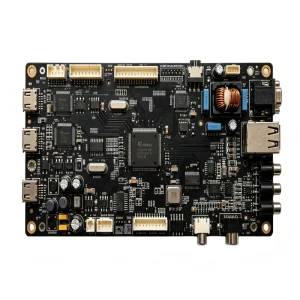
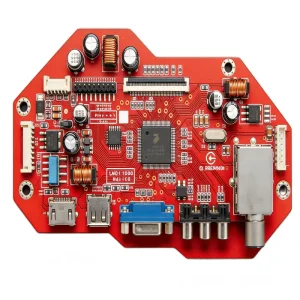
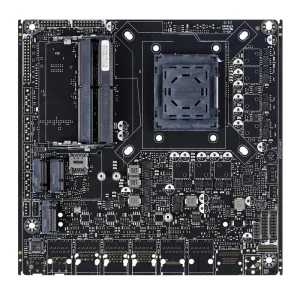
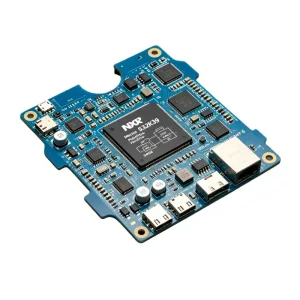
STHL operates 7 automated PCB assembly lines for both prototype and mass production. Advanced SMT ensures precise component placement and quality. Skilled technicians provide efficient THT assembly and RoHS-compliant lead-free soldering.
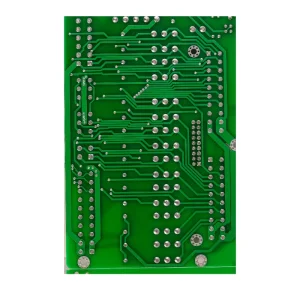
STHL PCB fabrication service produces high-quality, reliable printed circuit boards from simple singles to complex multi-layers, from flex PCB to rigid-flex PCB, we use premium materials and controlled processes to meet precise specifications.
STHL offers global electronic component sourcing and supply chain solutions. Our vast supplier network and expertise ensure access to genuine, certified parts, mitigating risks of counterfeits, allocation, and long lead times to secure your production schedule.
With the precision manufacturing of cable assembly components including handles, retention systems, connectors, and shielding in a wide range of materials and finishes, we have performed many successful cable assemblies for many customers from various industrial applications.
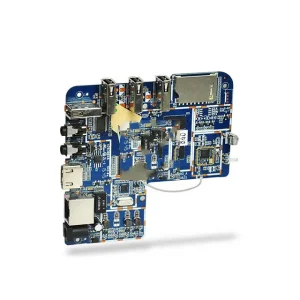
Making your projects at STHL from SMT assembly to box build assembly is very cost-effective and fast to market. Covering everything from putting a PCBA into the enclosure with all functions testing to a complete product assembly packaged and ready for delivery to your customers, we can supply the full support.
STHL conducts functional testing (FCT) to verify product performance, preventing defects such as circuit issues, missing or incorrect components. This ensures delivered products are stable and fully qualified.
E-E-A-T Principle: Meeting strict international quality guidelines
We serve partners globally, including in the USA, Germany, Italy, UK, Poland, New Zealand, Argentina, Brazil, Turkey, Korea, Thailand, and over 90 other regions. Our team provides export support, customs clearance documentation, and flexible logistics strategies. We also offer DFM consulting, component cross-referencing, and lifecycle management to help mitigate component obsolescence.
Frequently asked questions regarding full system integration and contract manufacturing
To provide a precise quote, we require: (1) Gerbers and Centroid files for the PCBA; (2) A complete Bill of Materials (BOM) detailing manufacturer part numbers and sourcing instructions; (3) 3D CAD files for the mechanical enclosures; (4) Wiring and cabling schematics; (5) Functional test procedures (FCT) and quality parameters; and (6) Sample or golden unit references if available.
Our facilities follow ISO 13485 and IATF 16949 standards. Solder joints undergo inline 3D AOI and X-ray inspection. Following mechanical integration, we conduct custom functional testing (FCT) and environmental stress screening (ESS), including temperature cycling, to help prevent early field failures.
Yes, our procurement team collaborates with local and global distributors. When components face allocation or obsolescence, our engineers suggest alternative, pin-to-pin compatible components, providing datasheets and evaluation reports for your engineering team to approve.
Yes, our facility is configured for flexibility. Our 7 SMT lines are optimized for quick changeovers, allowing us to process low-volume prototypes as well as scale up to high-volume production runs.
Consolidating manufacturing under a single partner reduces double-handling, freight fees between vendors, and the administration of multiple purchase orders. Additionally, diagnostic testing at the factory level helps prevent assembly defects from reaching the field, reducing warranty claim costs.
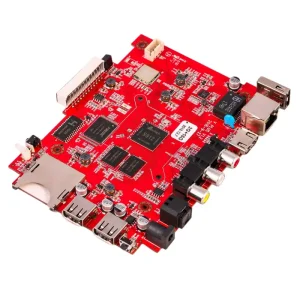
 STHL PCBA