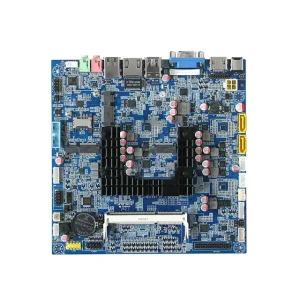
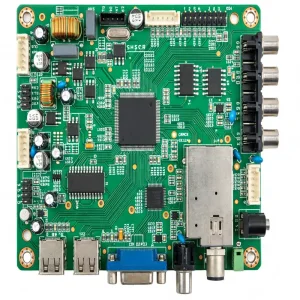
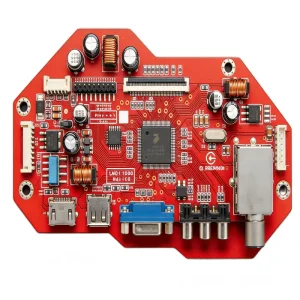
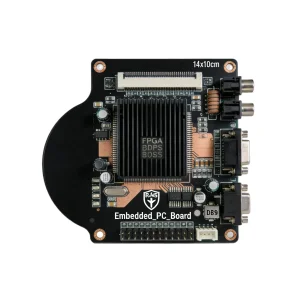
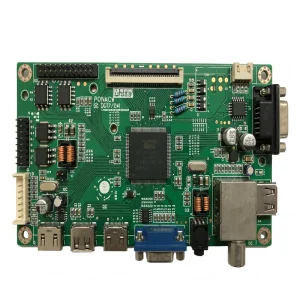
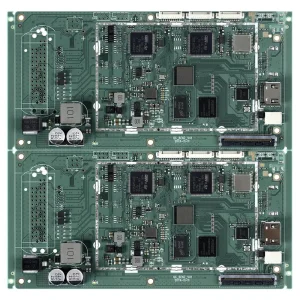
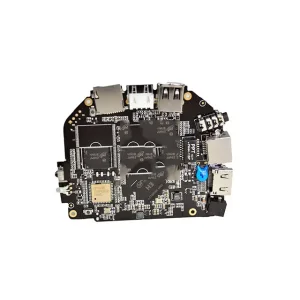
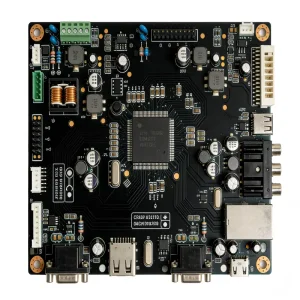
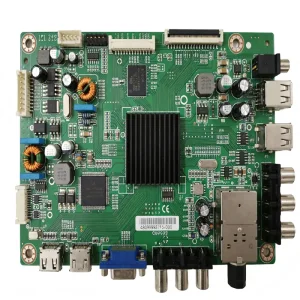
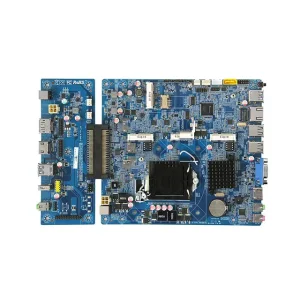
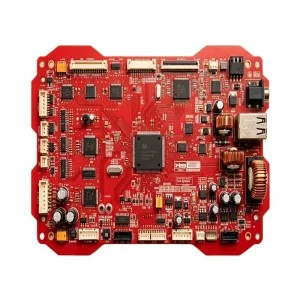
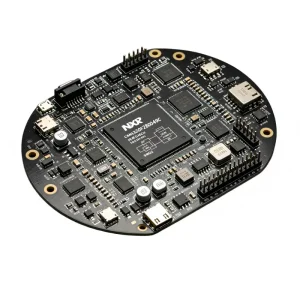
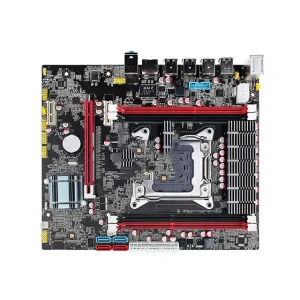
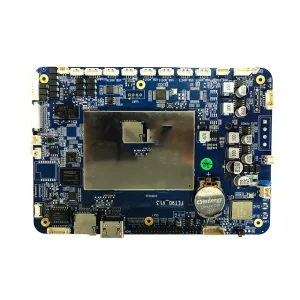
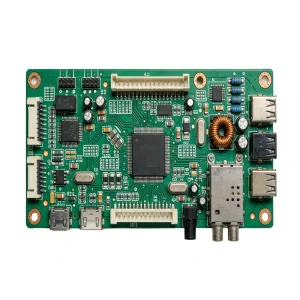
Explore our high-reliability PCBA products engineered for automotive, industrial, medical, and aerospace applications.
Shenzhen STHL is a premier, high-quality provider of electronics manufacturing services (EMS) based in China. We serve customers worldwide along the entire industry chain, offering integrated solutions including PCB layout, component sourcing, PCB fabrication, PCBA assembly, cable assembly, box build assembly, and comprehensive testing services.
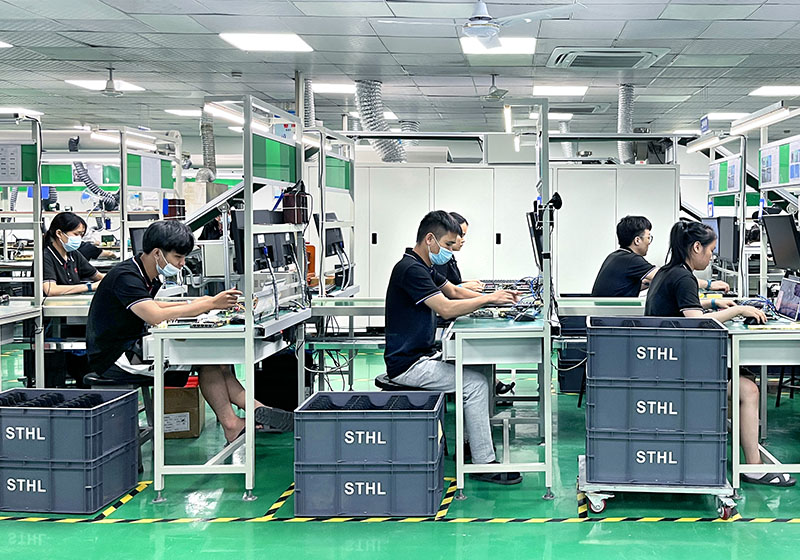
Established in 2006, STHL has built over 20 years of experience in electronics contract assembly manufacturing. Today, our team consists of 220+ highly skilled staff members. Our state-of-the-art 10,000 sqm facility features 7 automated SMT assembly lines, 2 DIP/THT lines, 2 function testing lines, and 2 finished device assembly lines, enabling us to handle both rapid prototyping and high-volume production runs.
We provide advanced electronics assembly services across diverse sectors, including energy power, communications, automotive, medical, consumer electronics, computers & storage, safety & security, and commercial industrial products. Our global footprint spans the USA, Germany, Italy, the UK, Poland, New Zealand, Argentina, Brazil, Turkey, Korea, Thailand, and over 90 other countries and regions.
As an IATF16949, ISO9001, ISO14001, and ISO13485 certified manufacturer, we guarantee that all products comply strictly with RoHS standards. Our rigorous quality assurance is backed by advanced reliability testing (AOI, X-RAY, ICT, and functional testing) and materials analysis.
How technological evolution is reshaping EMS requirements for global OEMs.
The demand for smaller, lighter, and more powerful devices is driving the adoption of HDI technology. This requires advanced SMT placement capabilities to handle ultra-fine pitch components, micro-BGAs, and 01005 passives with absolute precision.
From smart homes to industrial IoT (IIoT), PCBs now frequently integrate RF modules, sensors, and antennas. Ensuring signal integrity and minimizing electromagnetic interference (EMI) are critical challenges in modern PCBA design and assembly.
Environmental regulations such as RoHS and REACH are pushing the industry toward lead-free soldering and halogen-free laminates. Achieving reliable solder joints with lead-free alloys requires precise thermal profiling in reflow ovens.
Automated Optical Inspection (AOI) and Automated X-Ray Inspection (AXI) are increasingly utilizing artificial intelligence to detect micro-defects, solder voids, and component misalignment, replacing manual inspection with higher accuracy.
In the modern electronics landscape, global procurement teams face significant challenges, including component obsolescence, supply chain bottlenecks, and the risk of counterfeit parts. To mitigate these risks, OEMs require EMS partners who offer robust supply chain management alongside manufacturing capabilities.
At STHL, we address these challenges through our extensive global component sourcing network. By maintaining direct relationships with authorized distributors (such as Arrow, Avnet, Future Electronics, Digi-Key, and Mouser) and certified local manufacturers, we ensure the authenticity and traceability of every component. Our procurement team actively monitors component lifecycles, offering early warnings for end-of-life (EOL) parts and suggesting pin-to-pin alternative components to prevent production delays.
Furthermore, our Design for Manufacturability (DFM) and Design for Testability (DFT) analyses during the pre-production phase help identify potential assembly issues before they impact the schedule. This proactive approach reduces the total cost of ownership (TCO) and accelerates time-to-market for our customers.
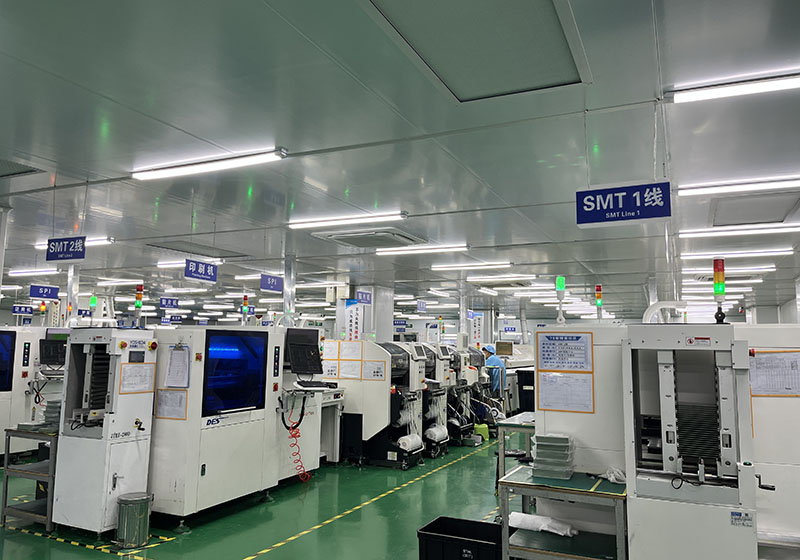
The transformation of China's manufacturing sector into a high-tech, automated hub—often referred to as Industry 4.0—has redefined global electronics production. Shenzhen, as the epicenter of this ecosystem, offers unparalleled advantages in terms of component availability, rapid prototyping, and manufacturing speed.
STHL leverages this ecosystem to provide exceptional supply chain resilience. Our smart factory integration includes automated SMT lines, real-time MES (Manufacturing Execution System) tracking, and ESD-controlled environments. This automation ensures high repeatability and low defect rates, even for complex multi-layer boards.
By combining automated manufacturing with local supply chain integration, we can transition projects from prototype to volume production faster than regional competitors. This agility allows global OEMs to scale production dynamically in response to shifting market demands.
A detailed look at our SMT and THT assembly expertise, designed to handle the most demanding electronics designs.
We handle a wide range of advanced components with precision, including:
Our THT assembly services combine manual dexterity with automation for robust mechanical connections:
We manage the entire production lifecycle to streamline your supply chain:
Different industries demand distinct reliability standards. STHL tailors its manufacturing and testing processes to meet these specific requirements:
Common questions from global procurement managers regarding our PCB assembly services.
High-durability assemblies engineered for communication, heavy machinery, and power management systems.
 STHL PCBA