Discover our specialized high-performance PCB assemblies developed for sophisticated industrial instrumentation, smart technologies, and mission-critical devices.
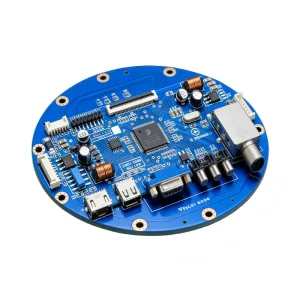
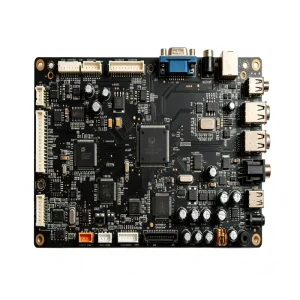
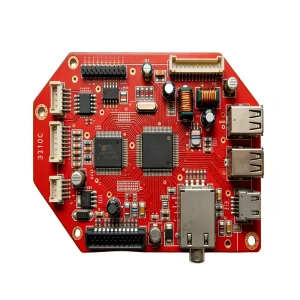
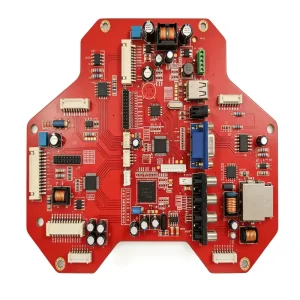
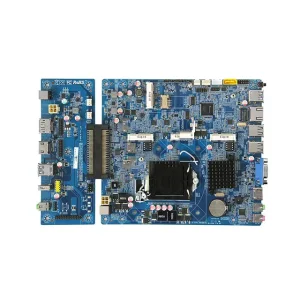
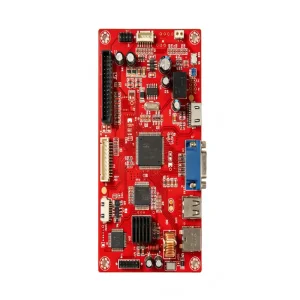
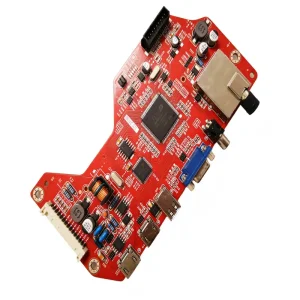
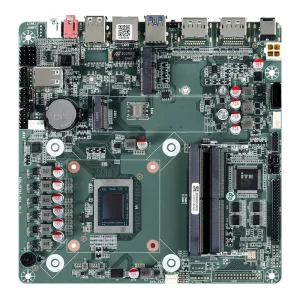
The global electronics contract manufacturing landscape is undergoing a massive shift. High-Performance Surface Mount Technology (SMT) has transitioned from standard mass production to highly intelligent, flexible, and adaptive operations. Current estimates suggest that the global SMT equipment and service market is expanding rapidly, fueled by the relentless growth of automotive electrification (such as Telematics, radar systems, and cockpit recorders), advanced medical instrumentation, and IoT architectures.
Today's Original Equipment Manufacturers (OEMs) demand partners who can not only manage bulk component placing but also ensure long-term mechanical reliability, thermal endurance, and Zero-Defect rates. Modern electronic systems must operate under severe physical conditions, including high vibration in aerospace (CVR applications), thermal shifts in automotive engine bays (T-Box systems), and sterile environments in healthcare monitoring devices. This requires high-level process validation, strict engineering discipline, and comprehensive Quality Gates across every single stage of production.
At Shenzhen STHL, we address this call for extreme precision by executing detailed design for manufacturing (DFM) reviews prior to stencil creation. This guarantees that component pad footprints are fully optimized to minimize voids, bridge defects, and tombstoning, which are the main challenges in modern ultra-fine-pitch PCB assembly.
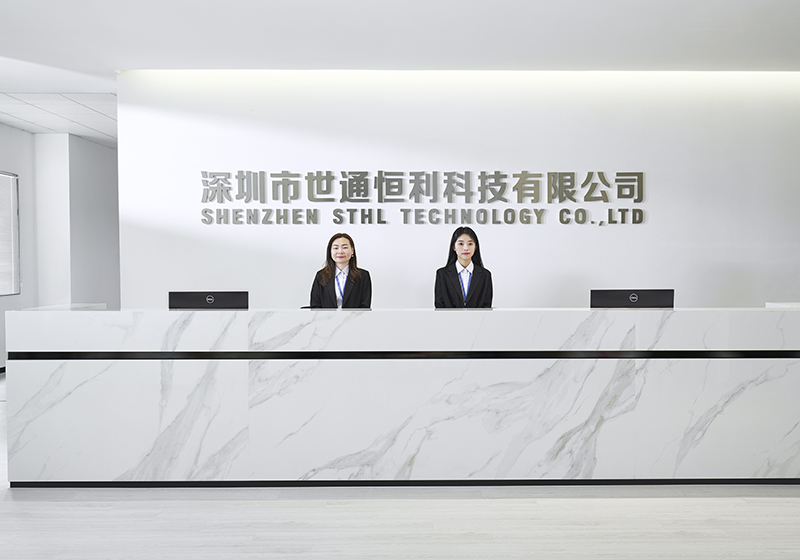
Shenzhen STHL stands as a premier provider of high-quality electronics manufacturing services (EMS) in China. We serve customers worldwide across the entire industry chain, including comprehensive PCB layout assistance, precision component sourcing, PCB fabrication, PCBA assembly, specialized cable harness manufacturing, full-box build integration, and strict functional validation testing.
Established in 2006, STHL brings 20 years of manufacturing experience to electronics contract assembly. Today, STHL employs over 220 highly skilled technicians and engineering specialists. Our modern 10,000 sqm production plant houses 7 fully automated high-speed SMT assembly lines, 2 DIP/THT lines, 2 manual/semi-automated functional testing stations, and 2 final product build-and-pack configuration lines. This infrastructure ensures we can handle both rapid-turn prototyping and high-volume manufacturing with consistent precision.
We deliver specialized electronics assembly services for industries including energy management, telecommunications, automotive electronics, medical systems, high-end consumer appliances, computing and data storage, security infrastructure, and specialized industrial control products. Our global client base spans the USA, Germany, Italy, the UK, Poland, New Zealand, Argentina, Brazil, Turkey, South Korea, Thailand, and over 90 other countries. This global footprint highlights our capability to adapt to international regulatory standards, logistics channels, and technical specifications.
As a quality-focused organization certified under IATF 16949 (Automotive Quality Management), ISO 9001, ISO 14001, and ISO 13485 (Medical Devices Quality Management), we guarantee that all production matches ROHS environmental criteria. By utilizing high-resolution materials verification, specialized component storage warehouses with relative humidity control, automated optical inspection (AOI), high-penetration 2D/3D X-ray systems, in-circuit test (ICT) fixtures, and functional test (FCT) jigs, we have established ourselves as a reliable, long-term PCBA partner for leading OEMs worldwide.
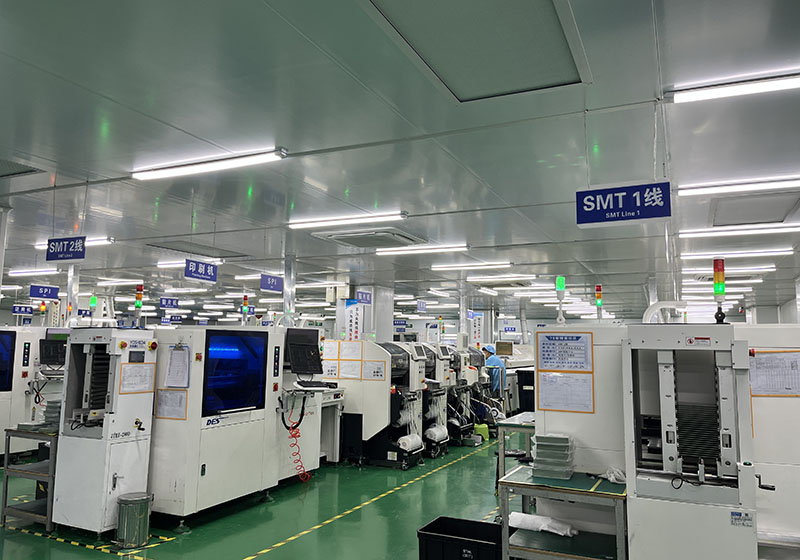
Modern electronic hardware design requires handling microscopic footprints and dense multi-layered boards. STHL's engineering team specializes in placing, soldering, and inspecting advanced component configurations with low defect rates.
Our surface mount capabilities cover a wide range of specialized components:
To verify solder joint integrity on leadless components and BGA packages where optical inspection is restricted, we utilize inline 3D Automated Optical Inspection (AOI) and off-line High-Definition X-Ray inspection. These validation systems allow our engineers to inspect internal solder structures, detect microscopic bridging, measure solder voiding percentages, and verify alignment before products move to the next manufacturing stage.
Even in an industry focused on miniaturization, Through-Hole Technology (THT) remains essential for high-stress components such as heavy-duty terminal blocks, high-voltage transformers, power transistors, large electrolytic capacitors, and industrial connectors. STHL provides dedicated THT production lines that complement our surface-mount capabilities.
Our THT capabilities include:
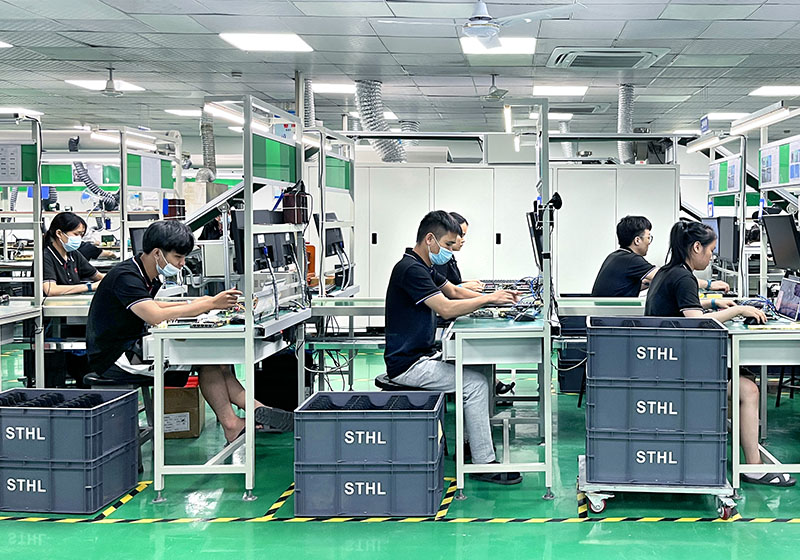
Shenzhen, China is the heart of the global electronics supply chain, and STHL utilizes this proximity to benefit our clients. Operating within this hub provides several key advantages:
1. Integrated Supply Chain & Logistics: Raw materials, multilayer glass-epoxy substrates, passive components, and custom metal or plastic enclosures are sourced locally. This proximity minimizes raw material lead times and reduces transportation costs, allowing us to respond quickly to engineering change orders (ECOs) and production adjustments.
2. Advanced Machinery: STHL invests in high-speed, high-accuracy pick-and-place equipment, multi-zone reflow ovens, and precise stencil printers. This machinery allows us to maintain consistent quality metrics comparable to Western facilities, but with greater operational flexibility and throughput.
3. Skilled Technical Workforce: Our engineering team brings years of EMS experience to every project. This expertise allows us to troubleshoot designs during DFM reviews, identify potential component conflicts early, and design custom test fixtures that prevent defects from reaching the field.
From initial design files to final packaged box-build systems, we support every stage of your electronic product lifecycle.
STHL operates 7 automated PCB assembly lines for both rapid prototyping and mass production. Advanced SMT ensures precise component placement down to 01005 chips, while our THT capabilities cover wave and selective soldering for heavy connectors and power components.
We supply high-precision multilayer, rigid, flex, and rigid-flex boards using FR-4, polyimide, and metal-core substrates. Our processes support controlled impedance, micro-vias, and fine-pitch tracking down to 3 mil lines and spaces.
We work with global authorized distributors to procure genuine, traceably-sourced components. Our procurement procedures include incoming counter-counterfeit testing to identify remarking, lead damage, or internal die mismatches.
Our cable harness fabrication team builds custom interconnects, shielded signals cables, and power distribution looms. We source high-grade connectors, backshells, and overmolds to withstand harsh environmental conditions.
We handle complete system integration, including mounting PCBAs into metal, plastic, or composite enclosures, running wire looms, applying thermal interface pads, and performing full mechanical verification for turnkey delivery.
Our engineering team designs custom test fixtures using lab equipment and microcontrollers to run real-world electrical cycles. This approach ensures your hardware performs to specifications before shipping.
Find answers to technical and operational questions about SMT assembly, quality standards, and logistics at STHL.
STHL is certified under key international quality standards, including IATF 16949 for automotive electronics, ISO 13485 for medical device manufacturing, ISO 9001 for general quality systems, and ISO 14001 for environmental management. All assemblies comply with RoHS and REACH environmental regulations.
Since BGA, uBGA, and QFN pins sit underneath the component housing, they cannot be checked using standard optical systems. We utilize high-resolution 2D and 3D X-ray systems to inspect internal solder structures. This equipment detects solder voiding percentages, bridging, open joints, and ball shape variations, ensuring the assembly meets IPC-A-610 Class III standards.
Lead times depend on design complexity and component availability. Prototype assemblies can often be completed within 3 to 7 working days once all materials are received. Standard production runs typically range from 2 to 4 weeks. We also offer expedited options for urgent project timelines.
We procure parts directly from component manufacturers or authorized global distributors (such as Arrow, Avnet, DigiKey, and Mouser). For client-specified sourcing channels, we conduct incoming material inspections, including microscopic inspection, checking date codes and batch numbers, and performing electrical parameter testing if required.
Yes, our production lines are configured to handle both high-mix, low-volume orders and large-scale mass production runs. We design custom tooling and establish clear procedures to ensure fast line changes and consistent setup quality.
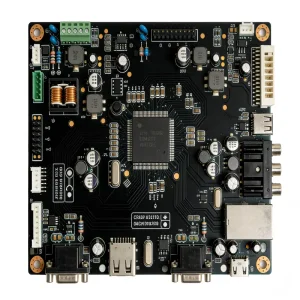
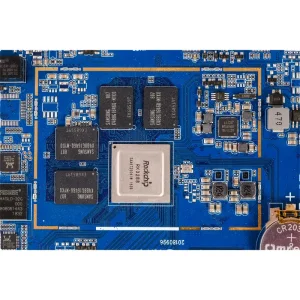
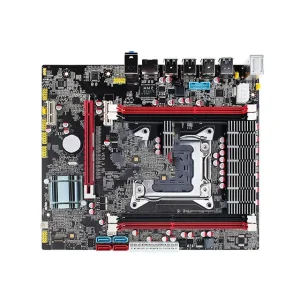
Browse more of our PCB assemblies, manufactured to meet demanding requirements across consumer and industrial electronics.
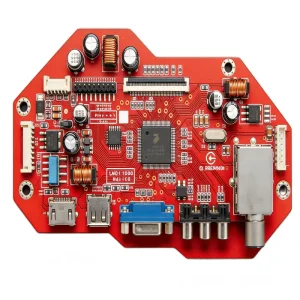
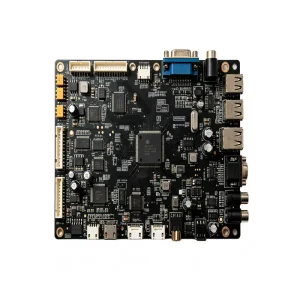
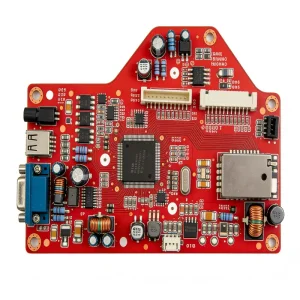
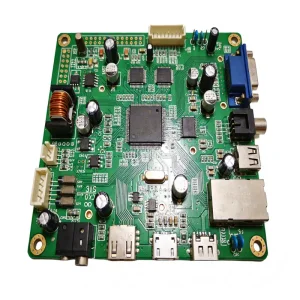
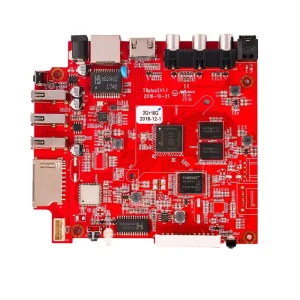
 STHL PCBA