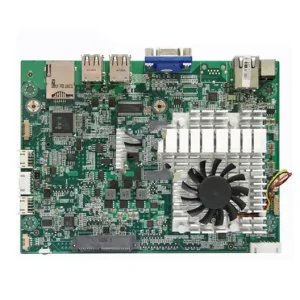
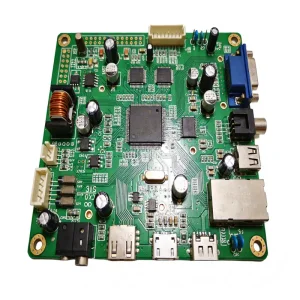
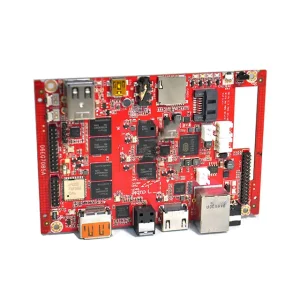
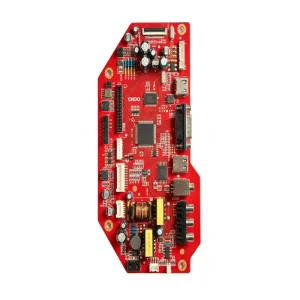
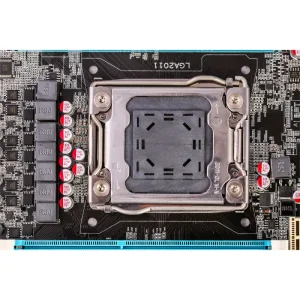
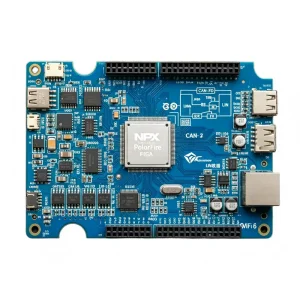
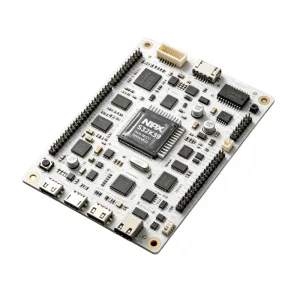
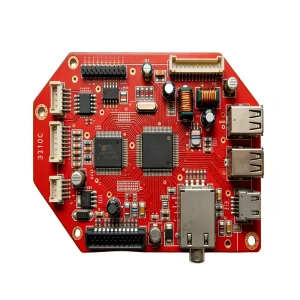
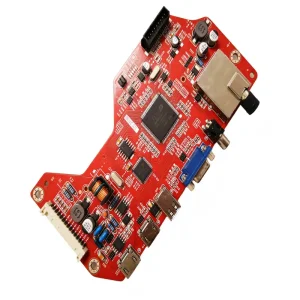
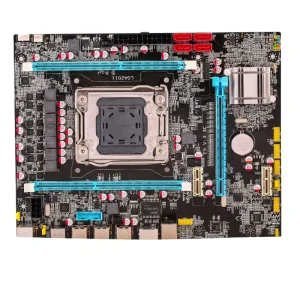
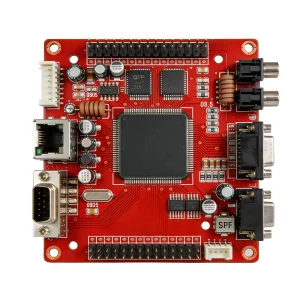
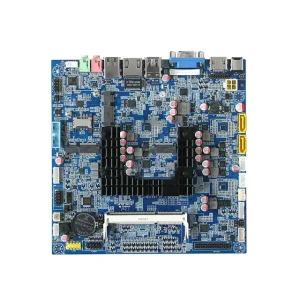
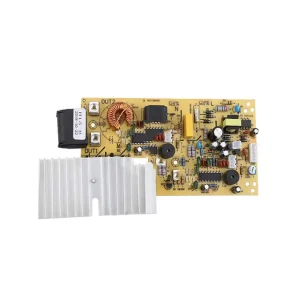
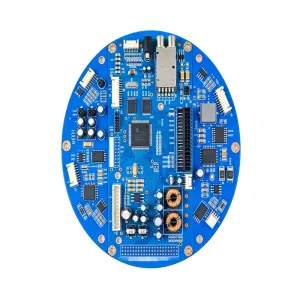
Explore our diverse contract manufacturing solutions spanning automotive, medical, industrial, and high-frequency IoT applications.
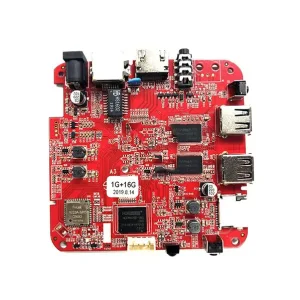
In modern electronics manufacturing, the transition from traditional rigid substrates to advanced flexible printed circuits (FPCs) represents a structural shift. The demand for flexible electronics is driven by two design goals: reducing space and weight while increasing reliability. As electronic assemblies shrink and configurations become more complex, standard rigid designs can fall short under mechanical stress. High-density designs now require integrated interconnect systems that can fold, twist, and bend to fit tight envelopes without degrading electrical performance.
The dynamic environment of automotive sensor housings, medical diagnostic probes, and aerospace instrumentation panels demands circuitry that tolerates continuous mechanical stress. Through precision engineering at specialized OEM Flexible PCBs factories, polyimide and polyester substrates are manufactured using exact chemical etching, laser profiling, and controlled thermal lamination. This guarantees signal integrity in high-frequency applications and ensures mechanical resilience over thousands of bending cycles.
"By eliminating mechanical connectors, wire harnesses, and solder joints, flexible circuits reduce packaging size by up to 60% and total weight by up to 70% compared to conventional rigid wiring. This structural consolidation minimizes failure points, ensuring reliable signal routing for mission-critical assemblies."
Shenzhen STHL is a high-quality provider of electronics manufacturing services (EMS) in China. We serve customers worldwide along the whole industry chain including PCB layout, components sourcing, PCB fabrication, PCBA assembly, cable assembly, box build assembly and comprehensive testing services.
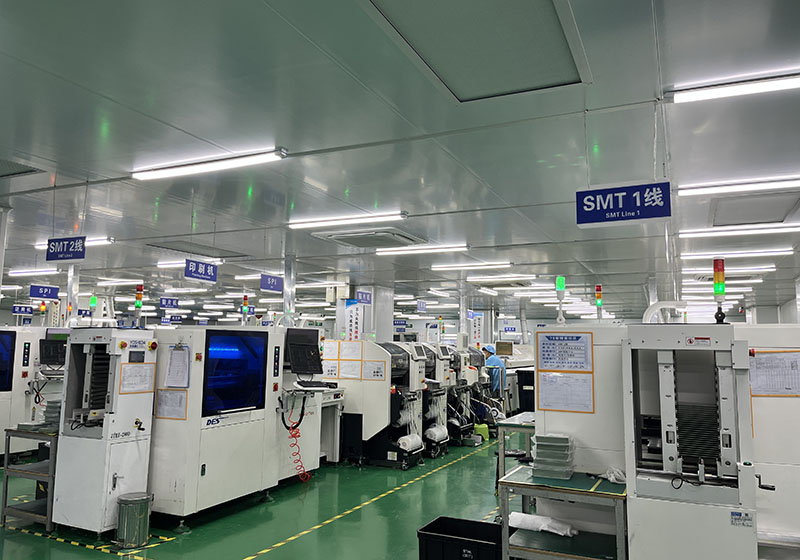
It was established in 2006, with 20 years of experience in electronics contract assembly manufacturing. Currently, STHL has 220+ staff members. Our 10,000 sqm facilities include 7 SMT assembly lines, 2 DIP/THT lines, 2 function testing lines and 2 finished device assembly lines.
At STHL, we provide electronics assembly services for energy power, communications, automotive, medical, consumer electronics, computers & storage, safety & security, commercial and industrial products. Our customers mainly from USA, Germany, Italy, UK, Poland, New Zealand, Argentina, Brazil, Turkey, Korea, Thailand, and the other 90 regions of the world.
As an IATF16949, ISO9001, ISO14001,and ISO13485 certificated electronics assembly manufacturer, we produce products exactly comply with RoHS standard and quality guarantee. Based on our excellent engineering and production capacities in technical areas such as materials analysis & storage, advanced equipment, reliability testing (AOI, X-RAY, ICT test and function test), high effective SMT and THT assembly, we are recognized as a long-term reliable PCBA vendor by more and more customers worldwide.
We can handle a wide range of advanced components, including:
Ball Grid Array (BGA) and Ultra-Fine BGA (uBGA): We have the expertise to handle these complex components with precision, ensuring reliable connections.
QFN, QFP, SOIC, and PLCC Packages: Our advanced equipment tackles various surface-mount package types efficiently.
Package-on-Package (PoP) and Small Chip Packages: We're equipped to handle even the most intricate components with tight pitch spacing.
But our commitment to quality goes beyond component expertise. We utilize advanced inspection techniques, including AOI and X-Ray inspection, to guarantee flawless assembly.
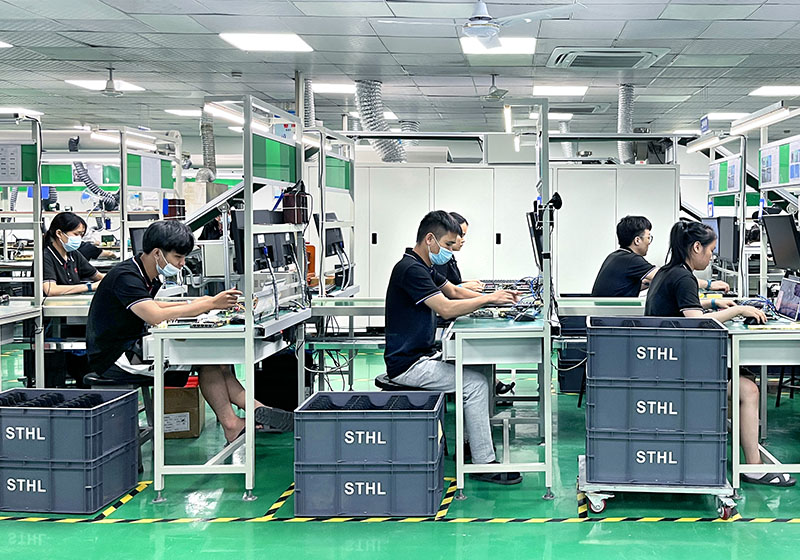
STHL PCBA also excels in Through-Hole Technology (THT) assembly. Our services encompass:
Manual and Automatic Component Insertion: We leverage both manual dexterity and automation for high-quality component placement.
THT Assembly Fixtures: Our custom fixtures ensure consistent and efficient assembly of through-hole components.
ESD and RoHS Compliant Soldering: We prioritize electrostatic discharge protection and adhere to RoHS compliance, guaranteeing the safety and environmental responsibility of our processes.
Inspection and Functional Testing: Just like SMT assemblies, THT boards undergo rigorous inspection and functional testing before shipment.
Providing technical transparency for engineering teams sourcing high-density flexible substrates and complex stack-ups.
Selecting materials is a critical first step in FPC development. Polyimide (PI) remains the industry standard for aerospace and automotive systems due to its wide thermal operating window, chemical stability, and low dielectric constant. In contrast, polyester (PET) is preferred for low-cost, disposable electronics that experience minimal thermal cycling.
| Feature / Parameter | Flexible Circuit Specification (Typical) | Advanced Capability / High Density Interconnect |
|---|---|---|
| Layer Count | 1 to 4 Layers (Standard) | 6 to 12 Layers (Rigid-Flex Multilayer) |
| Base Substrate Material | Polyimide (PI), Polyester (PET) | Adhesiveless Polyimide, LCP (Liquid Crystal Polymer) |
| Copper Thickness | 0.5 oz (18 µm) to 1.0 oz (35 µm) | 0.33 oz (12 µm) to 3.0 oz (105 µm) for power flex |
| Min Line Width / Space | 0.075 mm / 0.075 mm (3 mil / 3 mil) | 0.040 mm / 0.040 mm (1.5 mil / 1.5 mil) |
| Min Laser Drill Diameter | 0.10 mm (4 mil) | 0.05 mm (2 mil) |
| Surface Finish Options | ENIG, OSP, Immersion Tin | ENEPIG, Hard / Soft Electroplated Gold |
| Coverlay Type | Polyimide Coverlay (Film + Adhesive) | Flexible Liquid Photoimageable (LPI) Solder Mask |
| Stiffener Materials | FR-4, Polyimide, Stainless Steel, Aluminum | Custom laser-cut thermal-bonding composite stiffeners |
To maintain impedance controls for high-speed differential signal lines, we calculate microstrip or stripline geometry by adjusting track width, substrate thickness, and dielectric constant (Dk). Advanced laser ablation tools allow us to machine precise slot arrays and access windows, facilitating clean solder filleting on density-critical SMT footprints.
How our FPC fabrication and assembly capabilities support international projects in high-performance sectors.
We assemble high-durability boards for HUD displays and SRS airbag sensors. These parts must survive the thermal cycling and constant mechanical vibration of automotive cabins, satisfying IATF 16949 production standards.
From telemedicine arrays to CT scanners, our medical-grade flexible circuits offer low-impedance pathways for analog data. We maintain strict cleanrooms and handle components under ISO 13485 certification protocols.
We supply rugged assemblies for industrial gas sensors and noise monitoring hardware. These systems rely on protective potting and flexible interconnects to resist chemical exposure and moisture in field deployments.
For systems like flight data monitors, weight savings are essential. Our polyimide rigid-flex options package dense telemetry processing units into compact, vibration-resistant avionics bays.
From board layout optimization to full turnkey box-build production, STHL delivers integrated EMS solutions.
STHL operates 7 automated PCB assembly lines for both prototype and mass production. Advanced SMT ensures precise component placement and quality. Skilled technicians provide efficient THT assembly and RoHS-compliant lead-free soldering.
STHL PCB fabrication service produces high-quality, reliable printed circuit boards from simple singles to complex multi-layers, from flex PCB to rigid-flex PCB, we use premium materials and controlled processes to meet precise specifications.
STHL offer global electronic component sourcing and supply chain solutions. Our vast supplier network and expertise ensure access to genuine, certified parts, mitigating risks of counterfeits, allocation, and long lead times to secure your production schedule.
With the precision manufacturing of cable assembly components including handles, retention systems, connectors, and shielding in a wide range of materials and finishes, we have performed many successful cable assembly for many customers from various industrial applications.
Making your projects at STHL from SMT assembly to box build assembly is very cost-effective and fast to market. Covering everything from putting a PCBA into the enclosure with all functions testing to a complete product assembly packaged and ready for delivery to your customers, we can supply the full support.
STHL conducts functional testing (FCT) to verify product performance, preventing defects such as circuit issues, missing or incorrect components. This ensures delivered products are stable and fully qualified.
At STHL, we secure our global supply chain by auditing and tracing all raw materials back to their source. Our component sourcing practices eliminate the risk of counterfeit parts, which can lead to early failure in critical designs. By partnering directly with verified silicon manufacturers and leading distributors (such as Arrow, Mouser, and DigiKey), we confirm parts-level authenticity.
For safety-critical markets like medical and automotive, our quality management systems are certified to ISO 13485 and IATF 16949. Every production run undergoes structural and electrical verification, including automated optical inspection (AOI) to confirm correct component orientation, 3D X-ray (AXI) for BGA solder joint integrity, and dedicated functional testing (FCT) designed to simulate the final product's operating environment.
Adapting to future requirements in flexible hybrid electronics and ultra-fine pitch interconnect systems.
We are scaling our chemical etching processes to reduce track pitch spacing down to 25 µm (1 mil). This will support next-generation wearable tech and ultra-high-density micro-electronics packaging.
To support high-speed 5G RF front-ends, we are integrating LCP material systems. These substrates provide low water absorption and stable dielectric constants up to 100 GHz.
We are investigating inkjet and screen-printed conductive paths to produce low-waste, environmentally friendly flexible sensors. This helps reduce chemical etching waste in short production runs.
By using medical-grade polyimides and gold platings, we are developing thin-film substrates suitable for implantable medical sensors, complying with biological safety standards.
Detailed technical answers to common queries regarding flexible PCB design, fabrication, and assembly services.
Further examples of our industrial, consumer, and aerospace electronics manufacturing capabilities.
 STHL PCBA