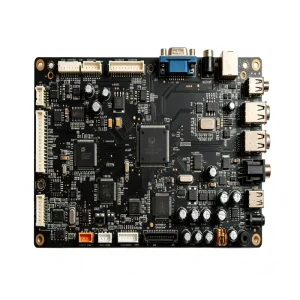
Explore our targeted PCB assembly product capabilities, engineered to meet the stringent technical profiles of critical applications.
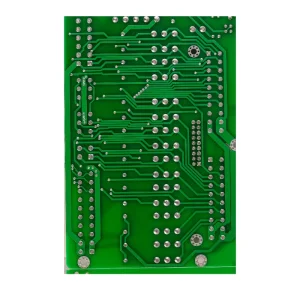
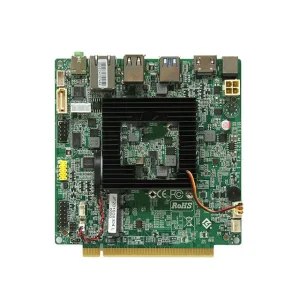
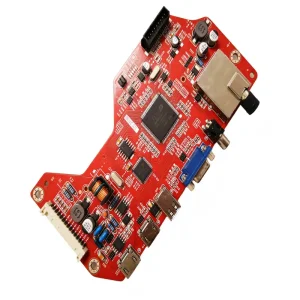
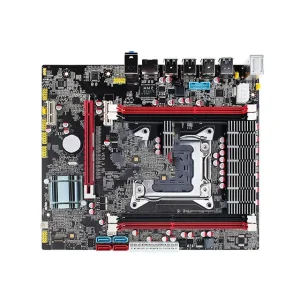
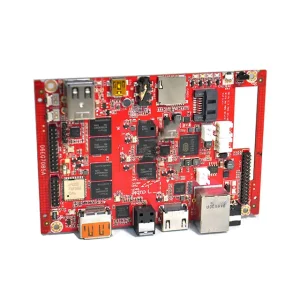
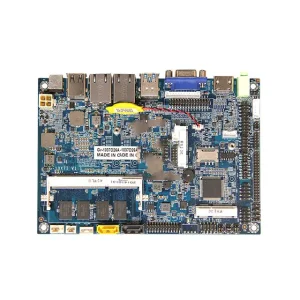
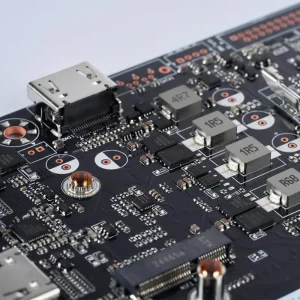
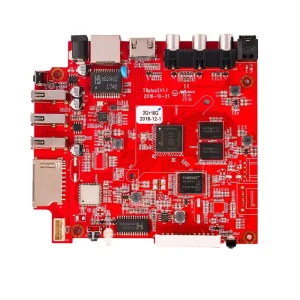
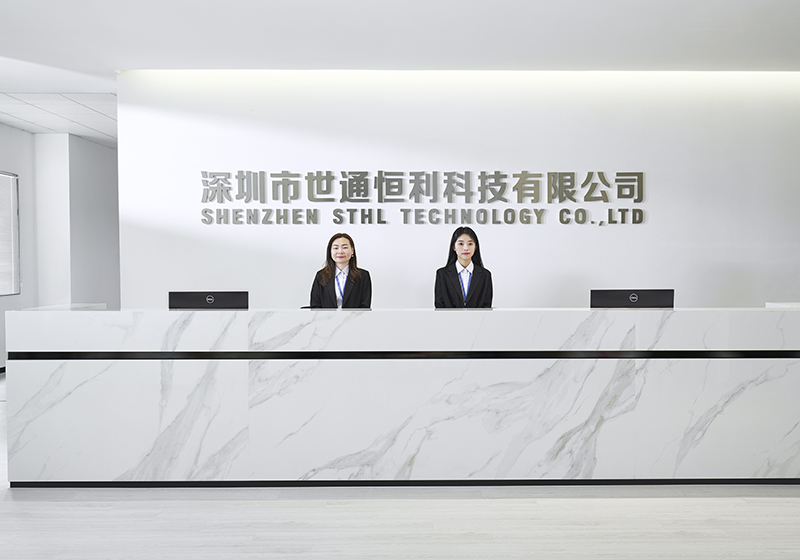
Shenzhen STHL stands as a high-quality, Tier-1 provider of electronics manufacturing services (EMS) based in China, catering to an extensive portfolio of global clients across critical industry ecosystems. Our comprehensive capabilities span the entire hardware lifecycle: from initial high-speed PCB layout optimization and engineering analysis, global electronic component sourcing, state-of-the-art PCB fabrication, high-precision surface mount (SMT) and through-hole (THT) assembly, to specialized custom cable harness assembly, complex box build systems integration, and dynamic functional testing (FCT).
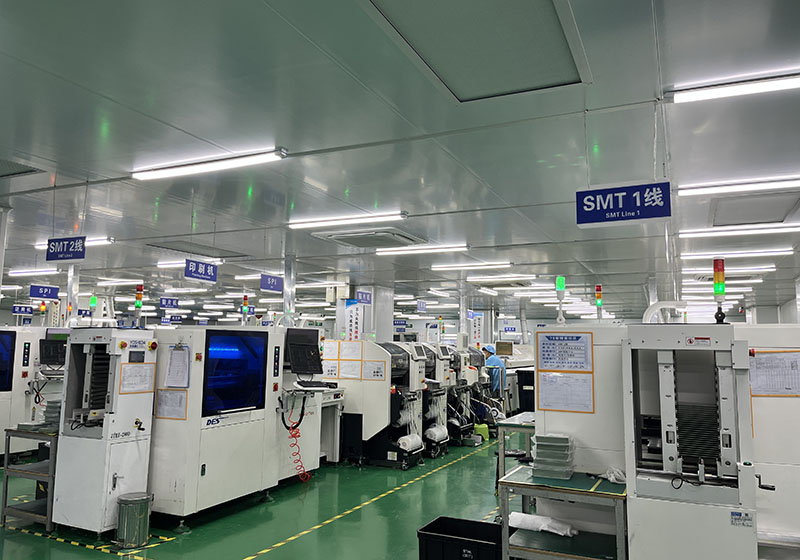
Established in 2006, STHL leverages 20 years of technical expertise in electronics contract assembly manufacturing. Today, our advanced facility spans over 10,000 square meters, housing a dedicated team of over 220 skilled personnel, operating 7 automated high-precision SMT assembly lines, 2 DIP/THT lines, 2 functional test (FCT) lines, and 2 complete box-build integration lines.
Our surface mount technology (SMT) infrastructure is engineered to process highly dense, high-frequency, and advanced fine-pitch microelectronics. STHL provides industry-grade assembly solutions for challenging component packaging types:
We process ultra-fine pitch Ball Grid Arrays (BGA) and micro-BGAs (uBGA) with micro-precision. By utilizing highly accurate automated pick-and-place machinery and multi-zone convection reflow ovens, we guarantee thermal profiles mapped to exact alloy requirements. Furthermore, our quality control process relies on Automated Optical Inspection (AOI) and high-resolution 3D X-Ray inspection to perform non-destructive diagnostics, ensuring void-free solder joints under large BGAs, QFNs, and hidden-lead devices.
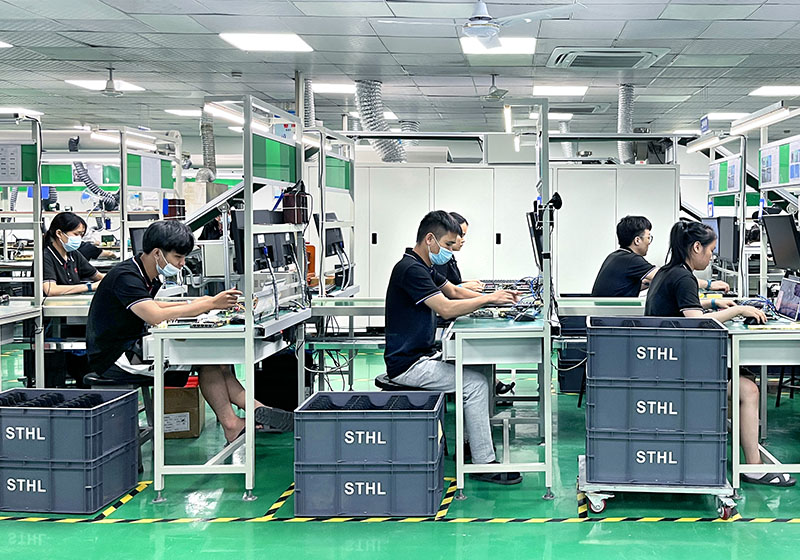
Despite the proliferation of SMT, Through-Hole Technology remains a cornerstone for high-power electrical systems, heavy-duty industrial relays, and applications subject to severe mechanical shear stress. STHL's specialized THT workflows are designed to optimize solder penetration and joint longevity.
Our THT processes combine automated lead cutting and insertion machinery with custom wave-soldering jigs. We construct bespoke, heat-resistant tooling fixtures to isolate delicate SMT components on the board underside during wave processing. Operating in strict compliance with RoHS, REACH, and ESD standards, our hand-soldering and automated line technicians hold IPC-A-610 certification, ensuring Class 2 and Class 3 electronics are processed flawlessly. Comprehensive visual, endoscope, and functional testing checks validate all structural joints prior to leaving the line.
STHL offers end-to-end solutions designed to streamline client supply chains, reduce engineering friction, and optimize total cost of ownership.
STHL operates 7 automated PCB assembly lines for both prototype validation and high-volume mass production. Advanced automated optical inspection (AOI), 3D X-Ray diagnostics, and professional wave-soldering techniques guarantee top-tier physical assembly.
From double-sided rigid FR4 designs to multi-layered, HDI, flexible, and rigid-flex substrates. We leverage high-grade base laminates and tight dielectric control to ensure impedance-matched traces and thermal performance.
Our expansive global component sourcing infrastructure utilizes certified, franchise distributors and verified tier-1 suppliers. This robust network mitigates counterfeiting, reduces lead times, and stabilizes your production runs.
Custom cable assemblies, complex wire harnesses, over-molded connectors, and shielding configurations. We construct wire-to-board, wire-to-wire, and heavy power line connectors, tested for continuity and insulation.
Providing seamless product integration by housing PCB assemblies into customized metallic or plastic enclosures. We handle potting, cabling, display assembly, firmware flashing, and final packaging for retail-ready distribution.
Eliminate field failures with comprehensive custom testing routines. We design specialized test fixtures, write automation software, and perform In-Circuit Tests (ICT), Burn-In cycles, and Functional Testing (FCT).
Navigating global electronics manufacturing, supply chains, regulatory compliances, and future technological trends.
The global electronics sector is undergoing a massive transformation. Geopolitical shifts, combined with calls for greater supply chain resilience, have changed how original equipment manufacturers (OEMs) select their PCBA partners. Modern business strategies prioritize manufacturing facilities that offer robust compliance, traceability, and agile manufacturing frameworks capable of scaling from low-volume prototypes to high-volume market launches.
At STHL, we address these challenges by maintaining a diversified component distribution network and a localized footprint in Shenzhen. Shenzhen's component ecosystem allows us to source raw materials, silicon, passives, and mechanical housings at rapid speeds. This localized speed, paired with our strict compliance frameworks, bridges the gap between cost efficiency and technical quality. Our primary client base spans key manufacturing hubs in the USA, Germany, Italy, Poland, the UK, New Zealand, Argentina, Brazil, Turkey, Korea, Thailand, and over 90 additional countries worldwide.
"For medical systems, electric vehicles, and high-frequency communication modules, assembly defects are not simply production errors—they represent systemic field risks. STHL employs a zero-defect manufacturing philosophy backed by automated traceability frameworks to safeguard your reputation."
Different industries require distinct manufacturing standards. Consumer products might prioritize fast cycle times, whereas industrial and medical sectors require absolute reliability. Below is an overview of how STHL supports these key sectors:
| Industry Sector | Key Standards & Quality Mandates | Critical Assembly Demands | STHL Technical Solution |
|---|---|---|---|
| Automotive Electronics | IATF 16949, AEC-Q100, IPC-A-610 Class 3 | Extreme temperature cycling, vibration resistance, high-voltage safety. | Thick copper processing, thermal interface materials, void-free solder profiling. |
| Medical Instrumentation | ISO 13485, FDA-compliant tracking | Ultra-reliable signal routing, biocatalytic safety, low current leakage. | 3D X-Ray diagnostic validation, conformal coating application, cleanroom assembly. |
| Industrial Power & Clean Energy | CE, UL Certification, RoHS Compliance | High voltage, current density, sustained thermal stress. | Heavy copper PCBs, automated THT lead soldering, potting/encapsulation. |
| Telecommunications & RF | High-frequency impedance matching | Controlled dielectric loss, electromagnetic compatibility (EMC). | Rogers/Nelco high-frequency laminates, micro-via execution, shielding. |
STHL's quality management is built on international certifications, including ISO 9001 (Quality Management), ISO 14001 (Environmental Standards), IATF 16949 (Automotive Systems Quality), and ISO 13485 (Medical Device Manufacturing). This structural compliance is integrated into every phase of our workflow, from incoming component testing to final box-build validation.
A primary challenge in electronics manufacturing is component counterfeiting. To counter this, STHL uses a multi-layered incoming component validation procedure. Our internal QA department verifies components under microscopic inspection, conducts solderability tests, and runs component signature analysis. All parts are tracked from initial quote to final system integration. This level of traceability helps protect our clients' intellectual property and ensures long-term field stability.
The PCB assembly industry is evolving toward smaller, denser, and higher-frequency configurations. Key technological trends we are preparing for include:
Understanding lead times, component supply chain management, quality controls, and custom tooling setups.
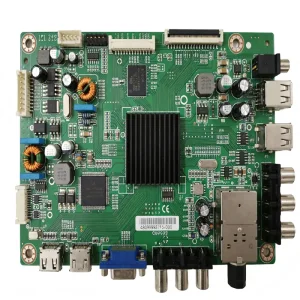
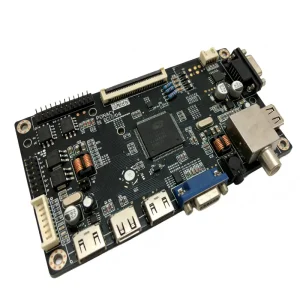
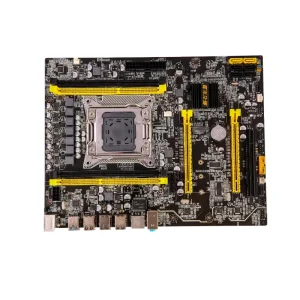
Explore our deep integration and engineering projects, delivered across critical, highly regulated industrial sectors.
 STHL PCBA