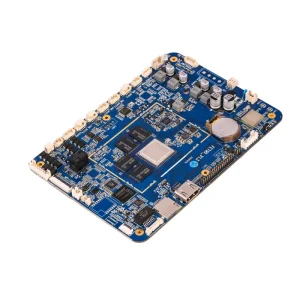
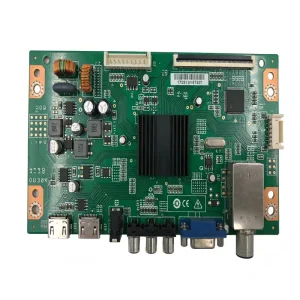
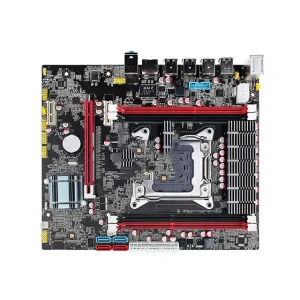
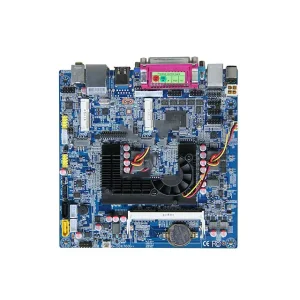
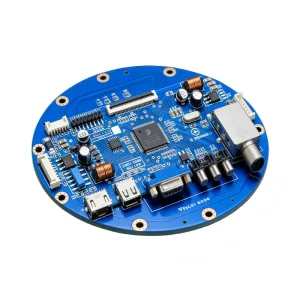
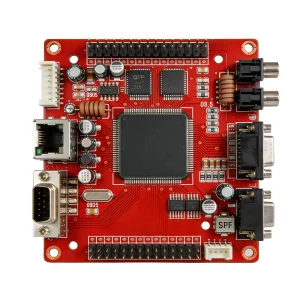
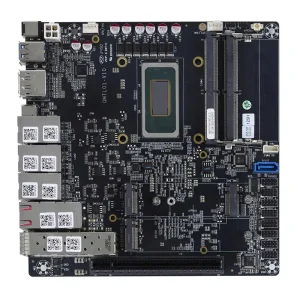
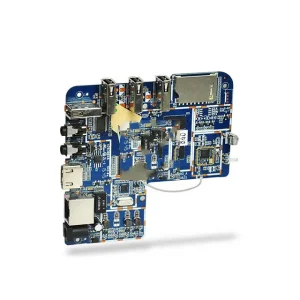
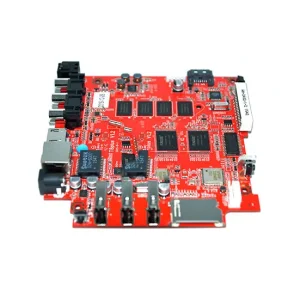
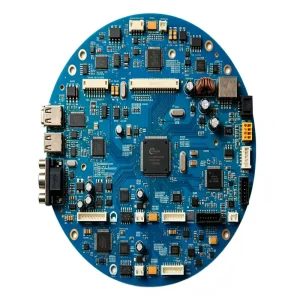
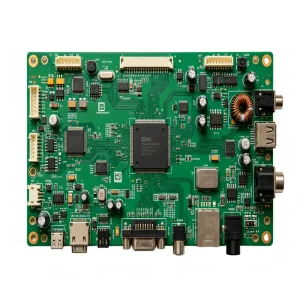
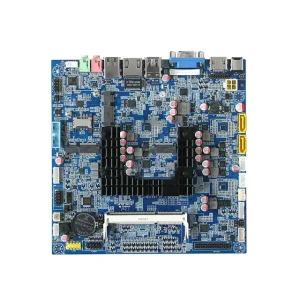
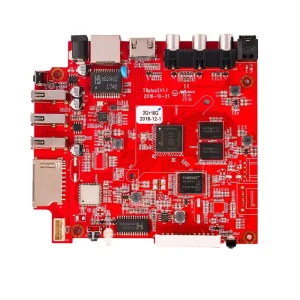
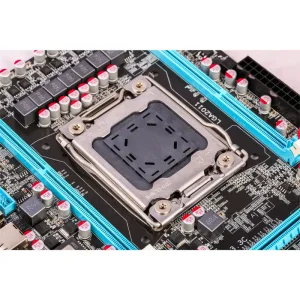
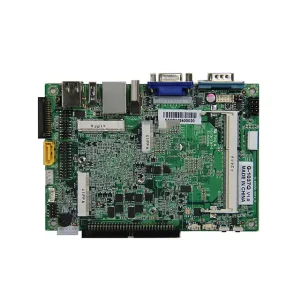
Shenzhen STHL is a high-quality provider of electronics manufacturing services (EMS) in China, we serve customers worldwide along the whole industry chain including PCB layout, components sourcing, PCB fabrication, PCBA assembly, cable assembly, box build assembly and comprehensive testing services.
It was established in 2006, with 20 years of experience in electronics contract assembly manufacturing. Currently, STHL has 220+ staff members. Our 10,000 sqm facilities include 7 SMT assembly lines, 2 DIP/THT lines, 2 function testing lines and 2 finished device assembly lines.
At STHL, we provide electronics assembly services for energy power, communications, automotive, medical, consumer electronics, computers & storage, safety & security, commercial and industrial products. Our customers mainly from USA, Germany, Italy, UK, Poland, New Zealand, Argentina, Brazil, Turkey, Korea, Thailand, and the other 90 regions of the world.
As an IATF16949, ISO9001, ISO14001, and ISO13485 certificated electronics assembly manufacturer, we produce products exactly comply with RoHS standard and quality guarantee. Based on our excellent engineering and production capacities in technical areas such as materials analysis & storage, advanced equipment, reliability testing (AOI, X-RAY, ICT test and function test), high effective SMT and THT assembly, we are recognized as a long-term reliable PCBA vendor by more and more customers worldwide.
In the automotive sector, component reliability translates directly to user safety. Modern vehicles operate in extreme conditions of temperature cycling, continuous mechanical vibration, and electromagnetic interference.
STHL conforms strictly to ISO13485 regulations. Medical electronics require trace-level process tracking, premium biocompatible solder selections, and strict cleanliness control.
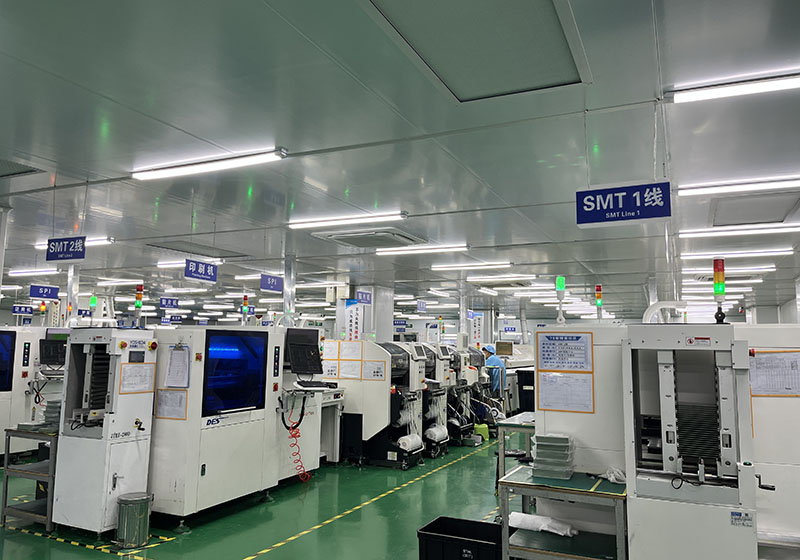
We can handle a wide range of advanced components, including:
Our commitment to quality goes beyond component expertise. We utilize advanced inspection techniques, including AOI and X-Ray inspection, to guarantee flawless assembly.
STHL PCBA also excels in Through-Hole Technology (THT) assembly. Our services encompass:
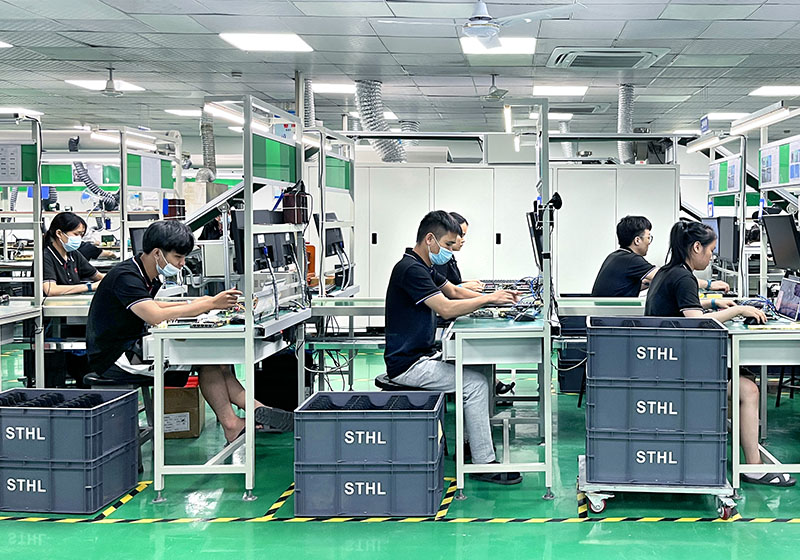
STHL operates 7 automated PCB assembly lines for both prototype and mass production. Advanced SMT ensures precise component placement and quality. Skilled technicians provide efficient THT assembly and RoHS-compliant lead-free soldering.
STHL PCB fabrication service produces high-quality, reliable printed circuit boards from simple singles to complex multi-layers, from flex PCB to rigid-flex PCB. We use premium materials and controlled processes to meet precise specifications.
STHL offers global electronic component sourcing and supply chain solutions. Our vast supplier network and expertise ensure access to genuine, certified parts, mitigating risks of counterfeits, allocation, and long lead times to secure your production schedule.
With the precision manufacturing of cable assembly components including handles, retention systems, connectors, and shielding in a wide range of materials and finishes, we have performed many successful cable assemblies for many customers from various industrial applications.
Making your projects at STHL from SMT assembly to box build assembly is very cost-effective and fast to market. Covering everything from putting a PCBA into the enclosure with all functions testing to a complete product assembly packaged and ready for delivery to your customers, we can supply full support.
STHL conducts functional testing (FCT) to verify product performance, preventing defects such as circuit issues, missing or incorrect components. This ensures delivered products are stable and fully qualified.
Navigating the global electronic manufacturing landscape demands strict adherence to international environmental standards and import regulations. We protect our customers' supply chains against global market volatility through proactive component alternatives, strategic localized partnerships, and thorough logistical risk mitigation.
Our lead-free production lines produce assemblies that fully satisfy RoHS 3 Directive (2015/863/EU) and REACH (Registration, Evaluation, Authorization and Restriction of Chemicals) parameters. We also accommodate halogen-free board requirements for green consumer electronics.
By leveraging certified OCMs (Original Component Manufacturers) and franchised global distributors (Mouser, DigiKey, Arrow), STHL secures authentic microcontrollers, sensors, and power ICs, bypassing volatile gray-market channels.
Whether delivering to manufacturing sites in Germany, assembly centers in the USA, or distribution hubs in Poland, we offer tailored DDU/DDP delivery routes with customs clearance handled by certified freight forwarders.
To support emerging innovations in internet-of-things (IoT), artificial intelligence, and high-frequency communication systems, STHL continually updates its manufacturing technologies. Our current development timeline centers on high-density interconnect (HDI) strategies, flexible substrates, and advanced thermal management.
As board space decreases, we integrate microvia technology, blind/buried vias, and Any-Layer HDI methods. This enables seamless routing of multi-pin 0.35mm pitch BGAs while minimizing trace capacitance.
We are refining methods to embed passive components directly into internal layers, reducing surface space requirements, improving RF performance, and eliminating stray inductances.
For high-power automotive PCBA applications, we utilize thick copper layers (up to 4oz), insulated metal substrates (IMS/Aluminum PCBs), and custom-applied thermal pastes to manage high thermal dissipation requirements.
A: We require a complete Gerber file package (RS-274X or ODB++ format), a comprehensive Bill of Materials (BOM) in Excel format containing manufacturer part numbers, descriptions, package styles, quantities, and reference designators, alongside an assembly drawing showing component orientations.
A: We maintain strict supplier vetting criteria. We purchase components directly from original component manufacturers (OCM) or authorized distributors. For hard-to-source parts, we utilize third-party laboratories to perform testing, including microscopic visual inspection, X-ray scanning, and decapsulation analysis.
A: Yes, we optimize our SMT line changeover processes using smart feeders and software configurations. This allows us to handle both prototype-stage, high-mix low-volume assemblies and high-speed mass production runs cost-effectively.
A: Every BGA and QFN assembly is subject to 3D Solder Paste Inspection (SPI) prior to reflow and 3D Automated Optical Inspection (AOI) afterward. Furthermore, high-resolution 3D X-Ray inspection is utilized to identify hidden defects, such as solder voiding, bridging, and non-wetting under component bodies.
A: Yes, STHL operates dedicated lead-free and lead-containing production lines. Strict environmental segregation measures, distinct wave-soldering machines, and color-coded tooling are used to prevent cross-contamination.
A: STHL holds IATF 16949 certification for automotive systems, ISO 13485 for medical device manufacturing, ISO 9001 for quality systems, and ISO 14001 for environmental management. Our operators work in compliance with IPC-A-610 Class II and Class III standards.
A: For prototypes, if all components are ready, PCB fabrication and SMT/THT assembly typically take 5-7 working days. Enclosure preparation, final integration (box-build), and custom functional testing (FCT) usually add 3-5 days depending on project complexity.
A: We work with test programs, custom test fixtures (bed-of-nails), and instructions provided by the customer. Our engineering team can also help design custom test setups to verify electrical paths, sensor inputs, and user interfaces before packaging.
A: We support heavy copper layers up to 4oz, thermal via arrays, aluminum backing, and ceramic substrates. We also coordinate with third-party metal enclosure fabricators to optimize heat sink interfaces and thermal paste applications.
A: Yes. We offer acrylic, polyurethane, and silicone conformal coatings using automated spray systems. This protection helps outdoor systems, such as water quality analyzers and waste gas monitors, resist humidity, salt spray, and chemical exposure.
 STHL PCBA