Exemplifying industrial-grade durability and high-precision execution across global regulatory frameworks
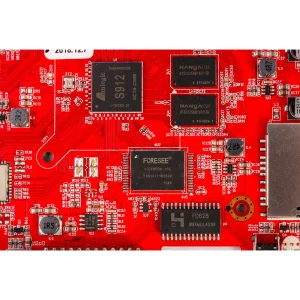
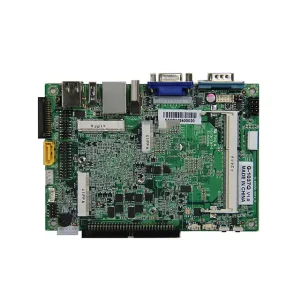
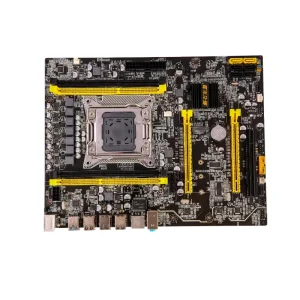
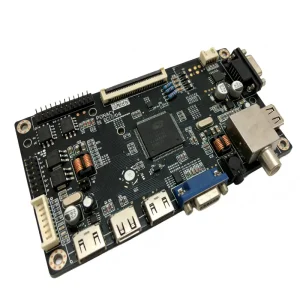
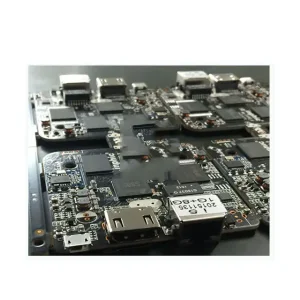
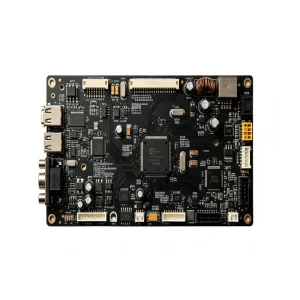
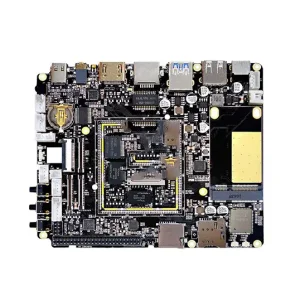
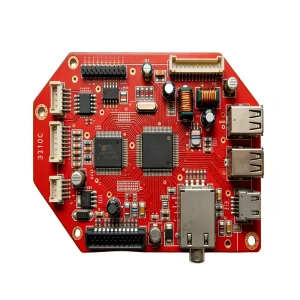
In the era of rapid automation, artificial intelligence, and cyber-physical systems, the printed circuit board assembly (PCBA) serves as the central nervous system of modern technology. As industries shift from traditional computing towards edge computing, electric mobility, and advanced medical diagnostics, the demand for high-reliability, zero-defect electronics manufacturing services (EMS) has escalated.
Today's global supply chain demands a paradigm shift from simple PCB manufacturing to integrated, intelligent OEM services. Manufacturers are no longer just component solderers; they must act as strategic technological partners, providing robust design-for-manufacturability (DFM) analysis, component obsolescence mitigation, and compliance with stringent international quality standards (such as IATF 16949 for automotive and ISO 13485 for medical systems).
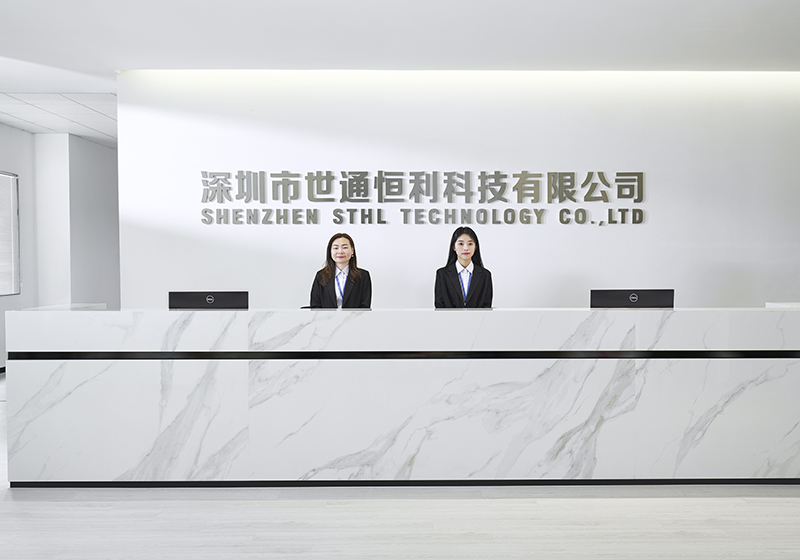
Delivering high-reliability, certified electronics manufacturing since 2006 for mission-critical industries worldwide.
Equipped with 7 state-of-the-art SMT assembly lines, 2 DIP/THT lines, 2 function testing lines, and 2 finished device box-build lines to handle complex multi-phase production cycles.
Fully certified in ISO9001, ISO14001, ISO13485 (Medical Quality), and IATF16949 (Automotive Quality). Products strictly comply with RoHS and lead-free regulatory mandates.
Providing seamless logistics and technical integration to major engineering markets, including the USA, Germany, Italy, UK, Poland, New Zealand, Brazil, and Turkey.
Exceeding standard tolerances with advanced thermal profiling, precision placement, and automated inspection.
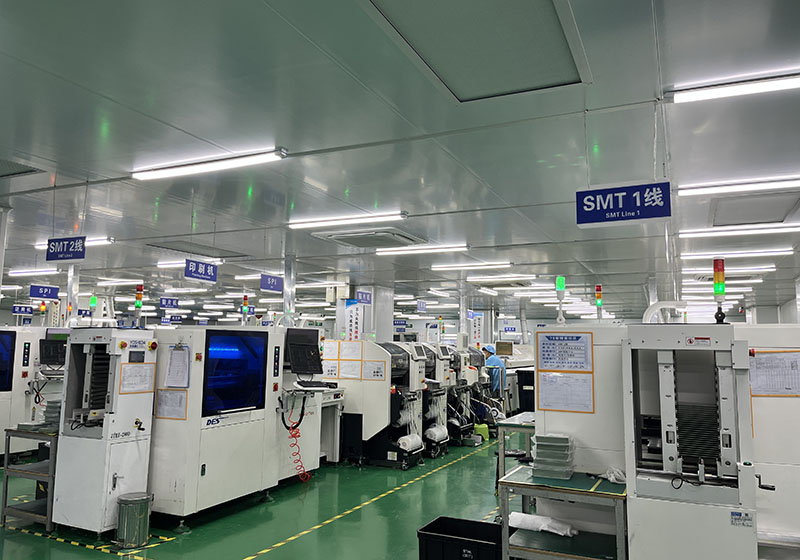
Surface Mount Technology (SMT) is the baseline of high-speed electronics assembly. At STHL, we resolve the limits of chip placement densities. We handle complex component classes:
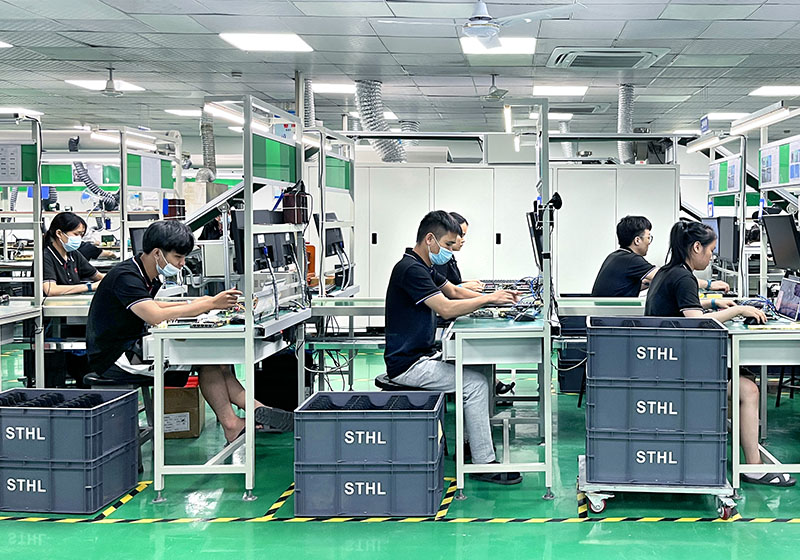
For connectors, power devices, and large mechanical loads, Through-Hole Technology (THT) remains indispensable. Our lines ensure:
Bridging the gap between conceptual schematics and marketplace ready hardware products.
Running 7 automated SMT lines alongside specialized DIP/THT lines. Equipped to handle high-mix, low-volume prototypes up to high-volume commercial production runs with consistent accuracy.
Manufacturing multi-layer rigid boards, flexible circuits, and rigid-flex configurations. Precision thermal management using high-TG FR4, aluminum cores, and Rogers RF laminates.
Global logistics net integrated with verified component distributors. Protects designs from counterfeit components through traceability documentation and incoming material verification.
Custom cable harness designs including overmolding, shielding, strain reliefs, and custom retention modules. Engineered for mechanical durability under harsh conditions.
Complete mechanical housing integration. Assembly of PCBAs, interconnections, power supplies, user interfaces, and custom enclosures, shipping retail-ready products.
Robust testing suites including ICT (In-Circuit Testing), custom-built FCT test jigs, environmental burn-in ovens, and structural integrity analysis to assure zero-defect shipments.
A forward-looking analysis of electronics manufacturing challenges and emerging industry standards.
The PCB industry is shifting towards sub-miniaturized electronic components, higher layer counts, and advanced materials. Designers are increasingly using High-Density Interconnects (HDI) to achieve higher density per unit area. Embedded passives—where resistors and capacitors are embedded within the inner substrate layers—are also seeing adoption to save valuable surface area.
Additionally, artificial intelligence is reshaping manufacturing lines. Machine learning algorithms analyze optical data from SPI (Solder Paste Inspection) machines in real-time, predicting stencil wear and optimizing paste deposition volumes dynamically. This predictive feedback loop reduces soldering defects by up to 40%.
Component shortages and sudden parts obsolescence present risks to modern product development life cycles. STHL mitigates these challenges using structured, multi-tier global supply chains:
Different industries have distinct engineering standards. STHL adapts its manufacturing processes to meet these localized and industry-specific requirements:
STHL is committed to environmental sustainability. Our facilities feature waste management systems for solder recycling, water filtration for aqueous cleaners, and strict compliance with global RoHS and REACH chemical regulations.
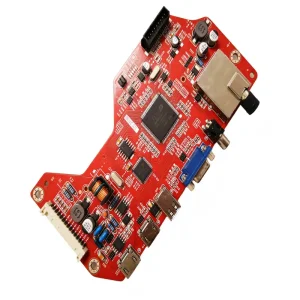
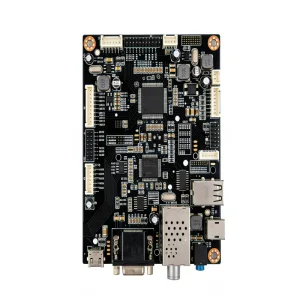
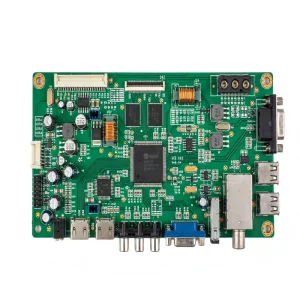
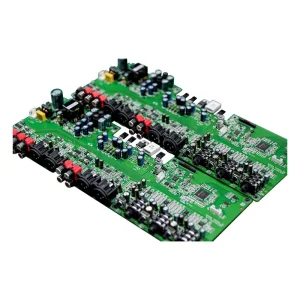
High-performance processing and control electronics optimized for industrial stability and connectivity
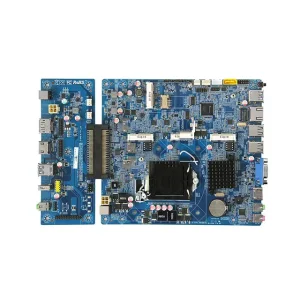
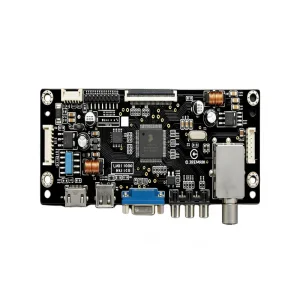
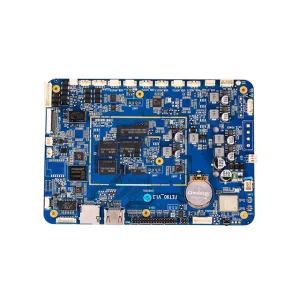
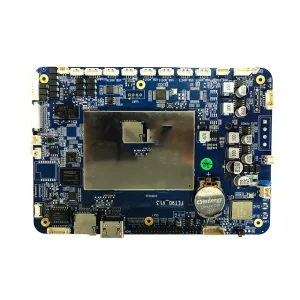
Addressing key engineering, compliance, and procedural inquiries from our worldwide clients.
We adhere to IPC-A-610 Class 3 specifications for highly critical assemblies, which require zero component positioning slippage and rigorous solder joint standards. Quality is assured through our ISO 13485 and IATF 16949 certified management systems. Every board is subjected to solder paste inspection (SPI), automated optical inspection (AOI), 3D X-Ray laminography to check for BGA voids, and custom functional testing (FCT) before shipment.
We support a wide array of specialized laminates, including high-TG FR4 (TG170/180) from brands like Isola and Shengyi. For RF/high-frequency configurations, we process Rogers, Teflon, and Taconic substrates. For heavy power systems and thermal management, we manufacture metal-core PCBs (MCPCBs) with aluminum or copper substrates, and support heavy copper layers up to 6oz.
We utilize a global ERP supply chain system connected to verified component distributors. When key ICs face long lead times or allocation shortages, our engineering team conducts cross-reference analyses, identifying pin-compatible alternatives or minor layout modifications. This proactive approach keeps projects on schedule without compromising design performance.
We support both prototype and mass production runs. STHL runs dedicated quick-turn lines for prototype and NPI (New Product Introduction) cycles. This allows engineering teams to validate circuit designs before scaling up to high-volume assembly on our fully automated SMT and box-build lines.
We require standard Gerber files (RS-274X or ODB++ format), drill files, a structured Bill of Materials (BOM) in Excel format containing manufacturer part numbers and package sizes, and a Pick-and-Place (Centroid) coordinate file for automated surface mount positioning.
 STHL PCBA