Explore our top-tier surface mount assemblies engineered to critical specifications for worldwide industrial, medical, and energy infrastructure projects.
An analytical overview of technological shifts, supply chain challenges, and next-generation surface mount assembly processes.
The Surface Mount Technology (SMT) landscape is undergoing rapid evolution. Driven by the demands of 5G communications, AIoT devices, advanced medical equipment, and automotive electrification, manufacturers are forced to scale down component sizes while increasing circuit density. Modern PCB designs frequently utilize microscopic 01005 passives and pitch dimensions under 0.3mm for BGA, uBGA, and chip-scale packages.
Achieving defect-free solder joints at this scale requires state-of-the-art process controls. Factors such as solder paste rheology, stencil design, precise thermal profiling in reflow ovens, and Automated 3D Solder Paste Inspection (SPI) have transition from value-adds to strict requirements. Modern OEM partners must offer sophisticated diagnostic capabilities, including 3D X-ray (AXI) laminography, to analyze internal solder layers, trace micro-voids, and prevent early-field failure in complex multi-layer boards.
For high-reliability sectors like medical ventilators, automotive battery management systems (BMS), and power distribution systems, assembly tolerances are microscopic. System faults are not merely commercial inconveniences—they are mission-critical concerns. This calls for strict adherence to international regulatory baselines, notably IATF 16949 for automotive component tracking and ISO 13485 for medical device production.
OEM factories must implement comprehensive ESD controls, Traceability Systems (where every serial code links back to specific batch component runs, machine profiles, and operator IDs), and rigorous environmental testing parameters such as thermal shock chambers and burn-in tests. As product life spans extend, these parameters ensure that assemblies can withstand harsh operations without failure.
How Chinese electronics manufacturing clusters optimize operations to balance velocity, agility, and cost-effectiveness.
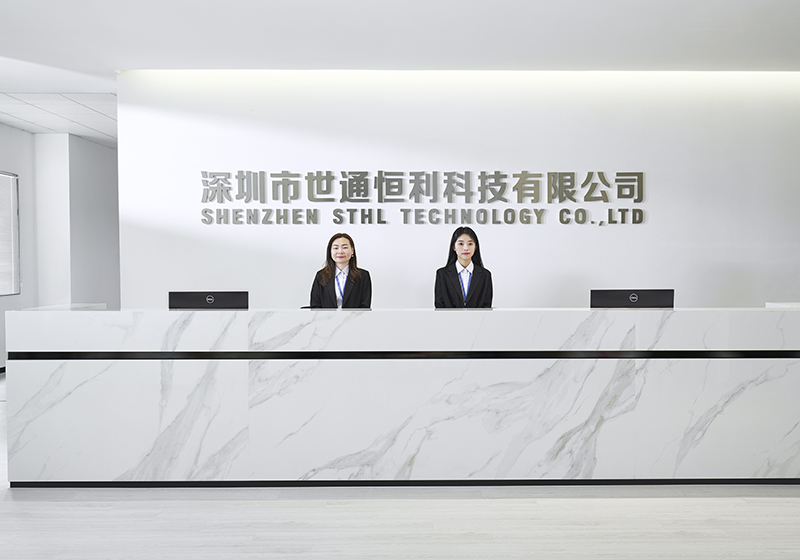
Shenzhen STHL is a high-quality provider of electronics manufacturing services (EMS) in China, we serve customers worldwide along the whole industry chain including PCB layout, components sourcing, PCB fabrication, PCBA assembly, cable assembly, box build assembly and comprehensive testing services.
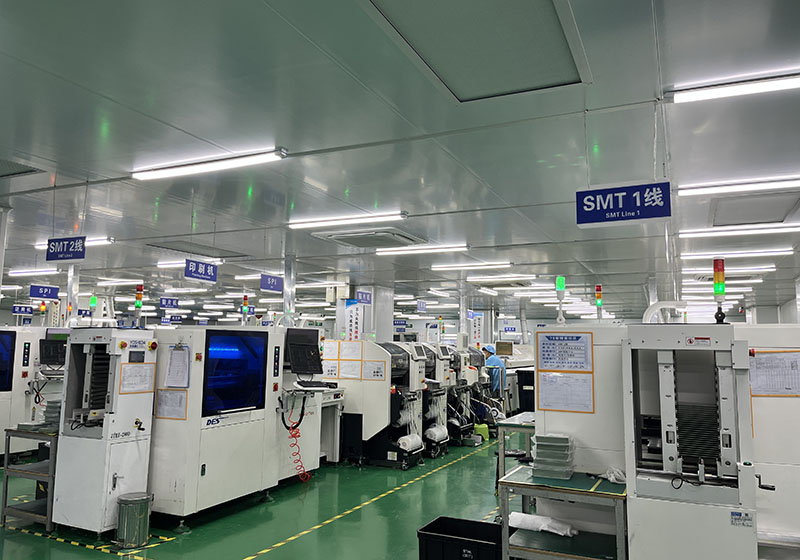
It was established in 2006, with 20 years of experience in electronics contract assembly manufacturing. Currently, STHL has 220+ staff members. Our 10,000 sqm facilities include 7 SMT assembly lines, 2 DIP/THT lines, 2 function testing lines and 2 finished device assembly lines.
At STHL, we provide electronics assembly services for energy power, communications, automotive, medical, consumer electronics, computers & storage, safety & security, commercial and industrial products. Our customers mainly from USA, Germany, Italy, UK, Poland, New Zealand, Argentina, Brazil, Turkey, Korea, Thailand, and the other 90 regions of the world.
As an IATF16949, ISO9001, ISO14001, and ISO13485 certificated electronics assembly manufacturer, we produce products exactly comply with RoHS standard and quality guarantee. Based on our excellent engineering and production capacities in technical areas such as materials analysis & storage, advanced equipment, reliability testing (AOI, X-RAY, ICT test and function test), high effective SMT and THT assembly, we are recognized as a long-term reliable PCBA vendor by more and more customers worldwide. Welcome to visit STHL factory at any time.
Our dedicated engineering team operates advanced high-precision machinery to handle the industry's most challenging component geometries.
We can handle a wide range of advanced components, including:
But our commitment to quality goes beyond component expertise. We utilize advanced inspection techniques, including high-resolution 3D AOI (Automated Optical Inspection) and real-time X-Ray inspection, to guarantee flawless, void-free assembly for your production run.
Balancing robust mechanical connections with modern automated wave and hand soldering methods.
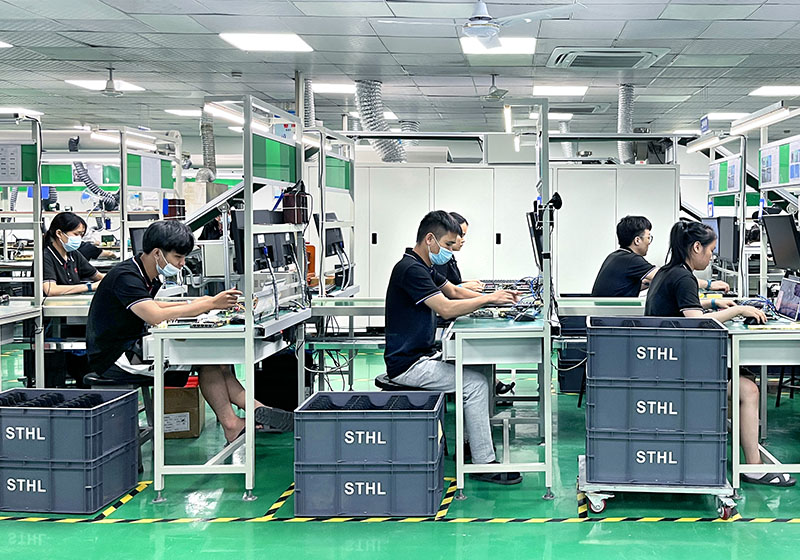
STHL PCBA also excels in Through-Hole Technology (THT) assembly. Our services encompass:
From single-board prototypes to complex system integrations, our facility offers comprehensive lifecycle solutions.
STHL operates 7 automated PCB assembly lines for both prototype and mass production. Advanced SMT ensures precise component placement and quality. Skilled technicians provide efficient THT assembly and RoHS-compliant lead-free soldering.
STHL PCB fabrication service produces high-quality, reliable printed circuit boards from simple singles to complex multi-layers, from flex PCB to rigid-flex PCB, we use premium materials and controlled processes to meet precise specifications.
STHL offers global electronic component sourcing and supply chain solutions. Our vast supplier network and expertise ensure access to genuine, certified parts, mitigating risks of counterfeits, allocation, and long lead times to secure your production schedule.
With the precision manufacturing of cable assembly components including handles, retention systems, connectors, and shielding in a wide range of materials and finishes, we have performed many successful cable assemblies for many customers from various industrial applications.
Making your projects at STHL from SMT assembly to box build assembly is very cost-effective and fast to market. Covering everything from putting a PCBA into the enclosure with all functions testing to a complete product assembly packaged and ready for delivery to your customers, we can supply full support.
STHL conducts functional testing (FCT) to verify product performance, preventing defects such as circuit issues, missing or incorrect components. This ensures delivered products are stable and fully qualified.
Deep engineering insight into the design constraints, environmental conditions, and testing processes for core product categories.
Medical PCBA boards require zero-failure tolerances. When dealing with ventilator assemblies or ward-monitoring products, the layout must account for extreme signal isolation to prevent electromagnetic interference (EMI) with vital biosensing instruments. STHL implements rigorous conformal coating processes to safeguard the assemblies against moisture, dust, and corrosive sanitation sprays. Quality validation is backed by continuous FCT (Functional Testing) loops simulating respiratory patterns and life-support sensor data profiles.
High-current, high-voltage battery monitoring systems command strict copper-thickness controls (often 2oz to 4oz thick copper layers) to prevent local thermal hotspots. Our reflow systems are calibrated using real-time thermocouples to guarantee complete wetting on thick board grounds without overheating active silicon components. We run specialized In-Circuit Testing (ICT) to measure impedance paths across power lines, ensuring safety limits remain under operational parameters.
Power Distribution Units (PDUs) operate 24/7 inside hyper-scale data centers. SMT design for these environments demands high-temperature Tg glass-reinforced substrates and robust solder joints that resist mechanical vibration during long thermal cycles. Process validations include automated thermal imaging cameras under full electrical load conditions to identify hidden high-resistance junctions before delivery.
Smart Home Gateways and robotic control units integrate high-frequency RF modules, Bluetooth, Wi-Fi, and multi-core microprocessors. These components call for ultra-thin trace configurations and tight control over parasitic capacitances. Using blind and buried micro-vias, our PCB fabrication and placement lines keep signal paths short, minimizing cross-talk and guaranteeing the execution of sensor-fusion algorithms.
Answers to critical questions regarding engineering validation, material logistics, certifications, and manufacturing protocols.
From medical-grade equipment to robotics neural cores, explore the remainder of our engineered product catalog.
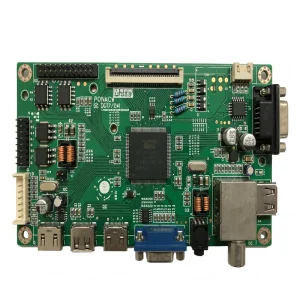
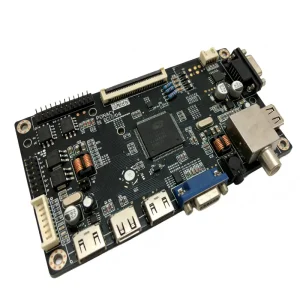
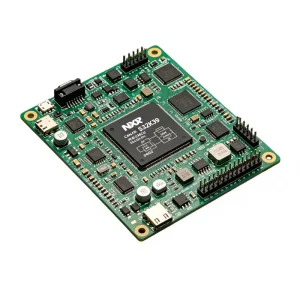
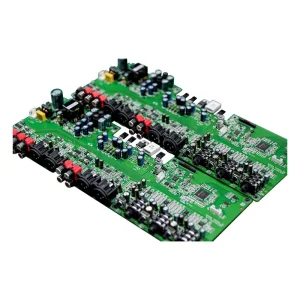
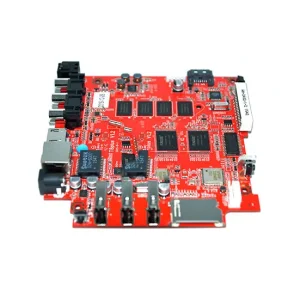
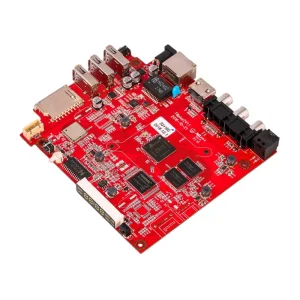
 STHL PCBA