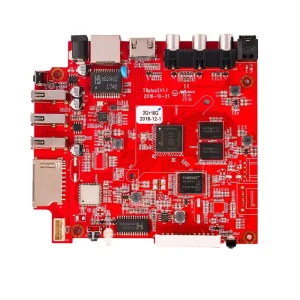
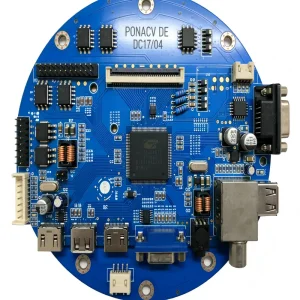
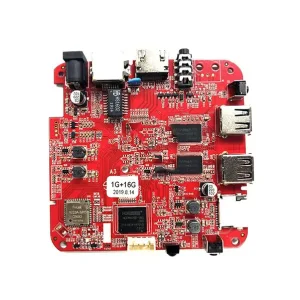
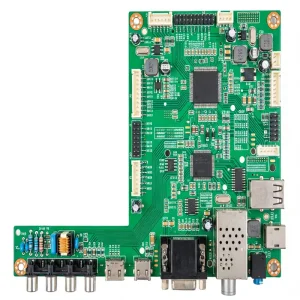
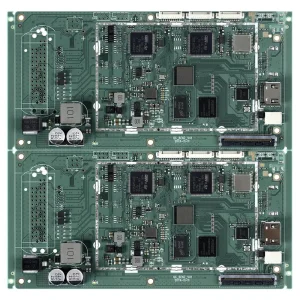
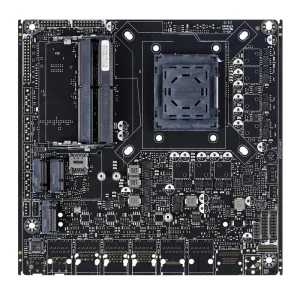
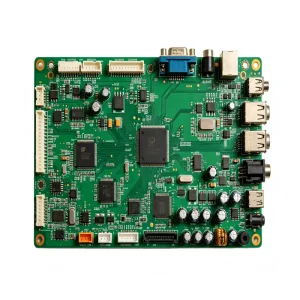
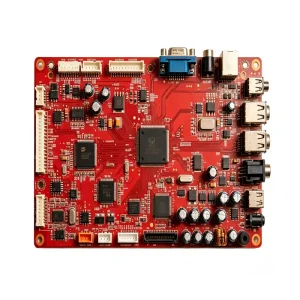
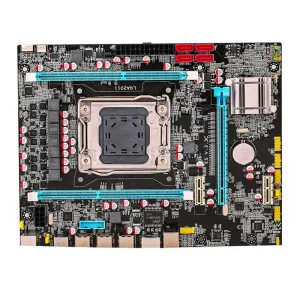
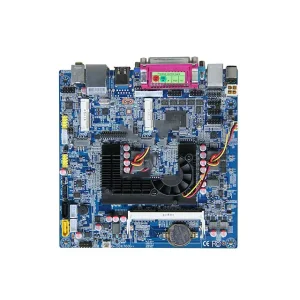
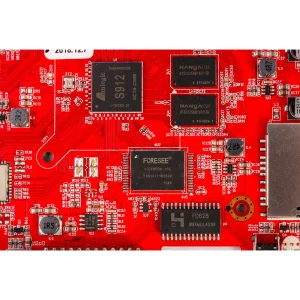
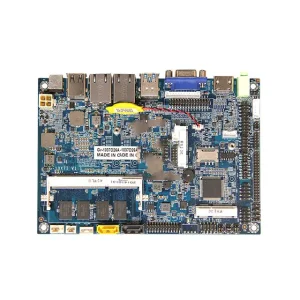
Explore our specialized hardware applications, manufactured under strict process controls to ensure zero-defect field reliability.
The global electronics manufacturing services (EMS) ecosystem is undergoing a major technological transformation. Driven by high-speed telecommunications, automotive electrification, and industrial IoT (IIoT), the demand for high-reliability Printed Circuit Board Assemblies (PCBAs) has surged. While geographic diversification remains a hot topic, China remains the anchor of the global electronics supply chain due to its unparalleled component ecosystem, rapid prototyping cycles, and advanced engineering talent.
Modern OEMs require more than assembly line space; they need partners that possess deep material sciences expertise, DFM (Design for Manufacturability) methodologies, and complex process controls. China electronics manufacturing process factories have evolved from simple manual assembly plants to fully automated, AI-driven smart factories capable of mounting high-density, sub-millimeter components (such as 01005 parts and ultra-fine pitch micro-BGAs) with extreme precision.
Operating out of Shenzhen, the silicon capital of hardware, STHL leverages these regional supply-chain clusters to deliver rapid component sourcing, high-density multilayer PCB fabrication, and high-yield SMT/THT services. By bridging local speed with global ISO/IATF quality standards, we serve as a critical bridge for enterprises scaling hardware from initial prototype to volume market deployment.
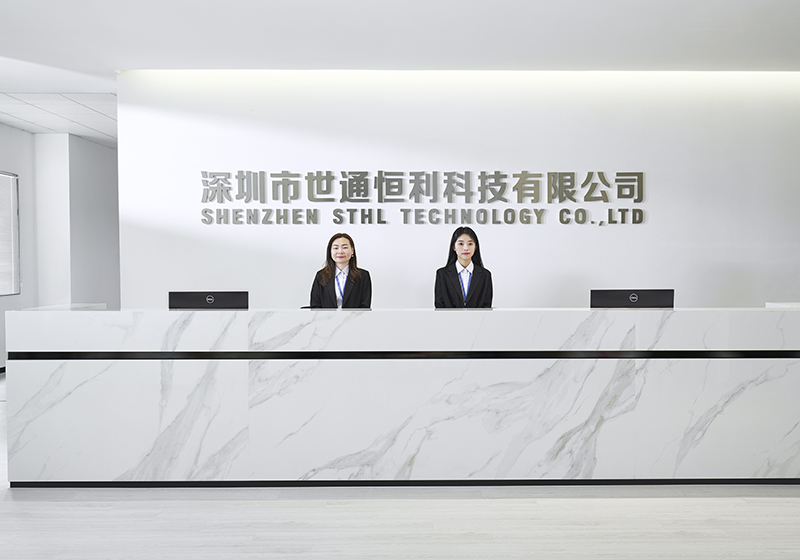
For over two decades, STHL has engineered high-reliability hardware platforms for critical industries worldwide. Below is our operational footprint at a glance:
Shenzhen STHL is a premier provider of Electronics Manufacturing Services (EMS) in China. We support international engineering teams along the entire product life cycle—encompassing schematic DFM review, component database synchronization, multi-layer PCB fabrication, high-speed SMT assembly, manual and selective wave THT assembly, wire harness integration, custom box build, and comprehensive functional testing (FCT).
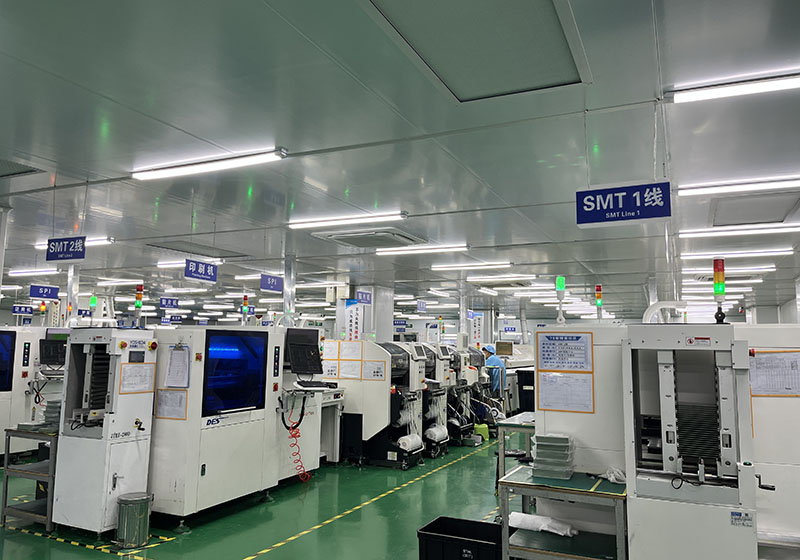
Our infrastructure includes 7 high-speed SMT lines, 2 DIP/THT lines, 2 specialized function testing lines, and 2 system integration (box build) lines. Our processes are certified under the most stringent industry regulations: IATF 16949 (Automotive Quality Management), ISO 13485 (Medical Device Quality Management), ISO 9001, and ISO 14001. Every board we manufacture adheres strictly to RoHS standards and IPC-A-610 Class II/III workmanship criteria.
By implementing real-time component traceability, 3D SPI (Solder Paste Inspection), online 3D AOI (Automated Optical Inspection), and high-resolution X-ray transmission radiography, we provide predictable manufacturing yields. This makes STHL a trusted contract manufacturing partner for OEMs in the USA, Germany, Italy, UK, Poland, New Zealand, Brazil, Turkey, Korea, and 90+ other global markets.
 }
}
Surface Mount Technology is the core of modern high-density hardware. Our SMT lines are optimized to mount highly complex, fine-pitch components while avoiding solder bridge defects and component misalignment. Our component capabilities include:
Every SMT run utilizes 3D Solder Paste Inspection (SPI) immediately after printing, and 3D Automated Optical Inspection (AOI) after reflow. This prevents defects from passing through the assembly line, keeping our quality standards consistently high.
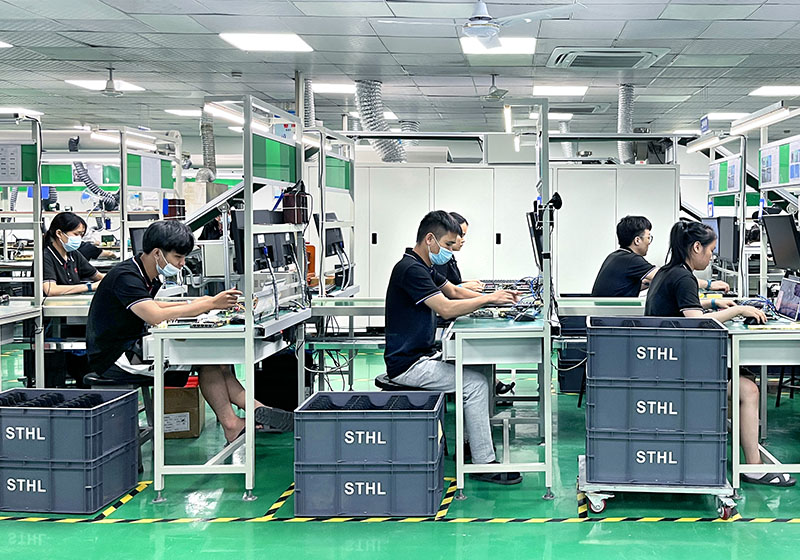
For applications subject to high mechanical stress, extreme thermal cycling, or high electrical currents (such as automotive power modules, smart grid analyzers, and industrial power supplies), Through-Hole Technology (THT) remains irreplaceable. STHL offers dedicated THT production lines featuring:
Post-soldering, THT boards undergo thorough visual inspections, selective rework by certified technicians (IPC-A-610 Class III), and post-wave wash procedures to eliminate flux residues before protective conformal coating.
We provide end-to-end support throughout your product's lifecycle, reducing lead times, minimizing supply chain risks, and lowering total cost of ownership.
We run 7 automated SMT lines and 2 DIP lines, allowing us to support both rapid prototype runs and high-volume production. Advanced placement machinery ensures precise component alignment, while lead-free wave soldering guarantees robust mechanical bonds.
We handle single-sided boards up to 32-layer rigid PCBs, high-density interconnect (HDI) designs, flexible circuits, and rigid-flex configurations. Using top-tier raw materials (FR4, Rogers, Megtron, Metal Core), we meet demanding impedance requirements.
We work with authorized global distributors (DigiKey, Mouser, Arrow) alongside audited local suppliers. This allows us to source genuine parts, manage component lead times, and prevent counterfeit parts from entering production.
Our facility designs and manufactures custom wire harnesses, coaxial cables, molded connectors, and shielded assemblies. These are built to withstand tough industrial, automotive, and medical environments.
We offer full system integration services, housing your completed PCBA in custom plastic or metal enclosures. This includes sub-assembly installation, cabling, internal display integration, and final packaging for retail-ready shipment.
We run extensive quality assurance checks, including In-Circuit Testing (ICT), Functional Testing (FCT), Boundary Scan, and Thermal Burn-in. This keeps field failures to a minimum, ensuring your hardware works reliably straight out of the box.
We configure our manufacturing processes to meet the unique quality and environmental requirements of each target industry.
For high-voltage utility grids, power quality analyzers demand low-loss signal propagation, precise calibration, and long-term durability. STHL utilizes high-dielectric substrates and isolated multi-layer board layouts to handle power line transients and electrical noise safely.
Whether assembling Body Control Modules (BCMs), EV Charging Station controllers, or Advanced Driver Assistance Systems (ADAS), we follow automotive standards strictly. Our processes include APQP planning, FMEA documentation, and PPAP approval runs to verify thermal and vibration resistance.
Remote hardware, such as environmental sensors or smart solar street light controllers, must run reliably in outdoor climates. We apply protective conformal coatings (silicone, acrylic, or polyurethane) to safeguard circuits against humidity, dust, and corrosive air.
Medical monitors and aerospace instrumentation require trace impedance control, lead-free reliability, and comprehensive inspection tracking. Under our ISO 13485 certification, every step of the assembly process is documented to ensure full component traceability.
As components shrink and speed requirements rise, PCB fabrication and SMT processes must evolve. STHL aligns its R&D and capital investments with the following industry trends:
1. Sub-01005 Component Placement: With the rise of wearable electronics, micro-passives are becoming standard. We continue to upgrade our high-speed placement heads and optical calibration systems to handle sub-01005 passives and 0.2mm pitch micro-BGAs reliably.
2. Smart Manufacturing & IIoT: We are integrating our MES (Manufacturing Execution System) with automated optical scanners. This allows us to track production yields in real-time, catch defect trends early, and maintain traceability back to the original wafer lot.
3. Advanced Thermal Management: High-power hardware (such as fast EV chargers, solar inverters, and high-lumen industrial LED high bays) generates significant heat. STHL works with direct thermal path aluminum substrates, heavy copper layers (up to 6oz), and thermal via designs to ensure efficient heat dissipation.
4. Lead-Free Reliability & Green Electronics: In line with RoHS and REACH regulations, we continually optimize our lead-free soldering profiles. This ensures strong, reliable joints without exposing delicate components to excessive thermal stress.
We address critical technical, supply-chain, and quality-assurance questions commonly raised by global engineering teams and procurement departments.
Our capabilities extend to critical infrastructure, consumer smart hubs, and heavy-duty automotive assemblies.
 STHL PCBA