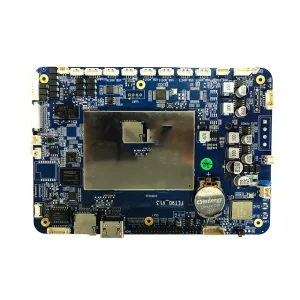
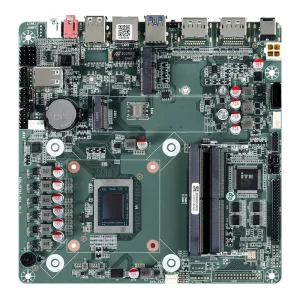
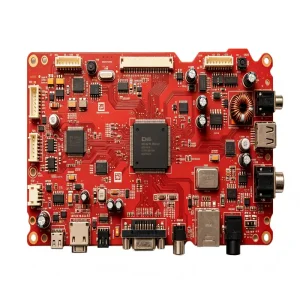
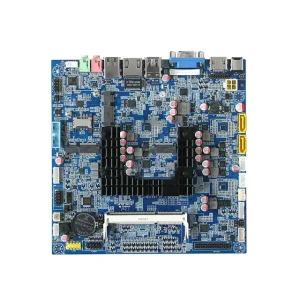
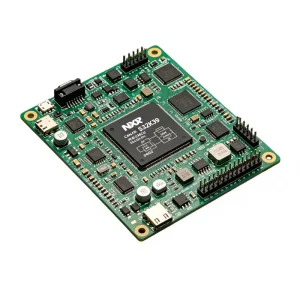
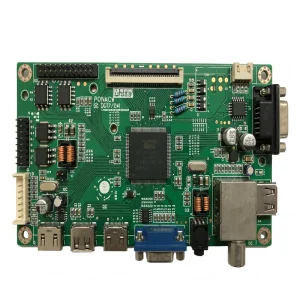
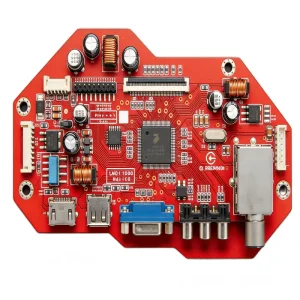
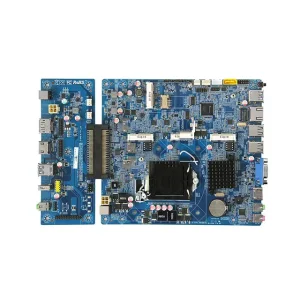
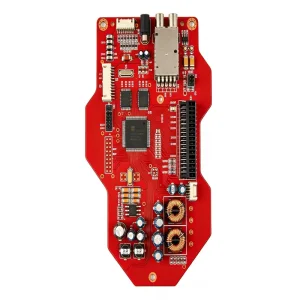
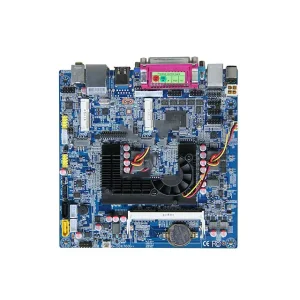
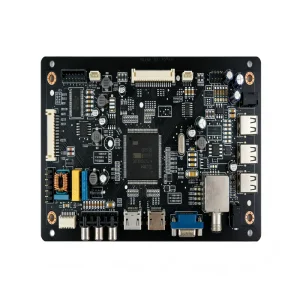
Precision-engineered printed circuit board assemblies designed for safety-critical medical, industrial, and high-performance commercial sectors.
The global electronic manufacturing services (EMS) ecosystem depends heavily on high-yield, flexible, and robust supply chains. China's PCBA (Printed Circuit Board Assembly) industry stands at the epicenter of this matrix, representing more than 50% of the world’s electronic design-to-assembly throughput. Factories in China have evolved from simple contract assembly houses into high-tech, digitally integrated partners capable of rapid prototyping, precision fabrication, complex surface mount technology (SMT), and extensive functional validation.
For international original equipment manufacturers (OEMs), procuring PCBA services from China is no longer merely a low-labor-cost decision. It is a strategic effort to harness unmatched component sourcing ecosystems, highly specialized technical workforces, and advanced automation infrastructure. As designs trend toward multi-layer high-density interconnect (HDI) structures, flexible substrates, and micro-component arrays, Chinese factories have positioned themselves at the leading edge of precision electronics production.
Comprehensive electronic contract manufacturing solutions powered by 20 years of technical expertise, class-leading machinery, and strict ISO certification protocols.
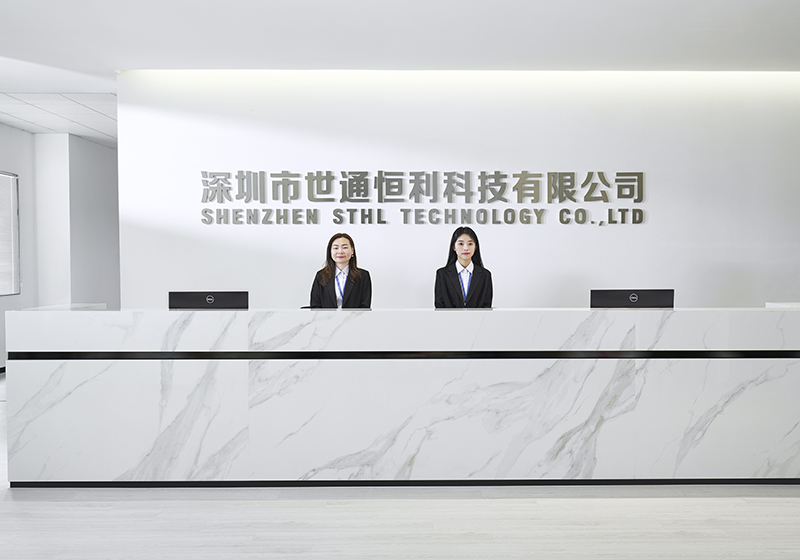
Shenzhen STHL is a premier provider of electronics manufacturing services (EMS) in China. We serve customers worldwide across the entire industry value chain, including PCB layout, component sourcing, PCB fabrication, PCBA assembly, cable assembly, box-build assembly, and comprehensive electrical/functional testing. Founded in 2006, STHL has built nearly two decades of contract assembly expertise, scaling our team to over 220 skilled professionals. Our state-of-the-art 10,000 sqm production facility contains 7 SMT assembly lines, 2 DIP/THT lines, 2 functional testing lines, and 2 final product assembly lines.
We pride ourselves on meeting the quality standards required by industries such as energy power, industrial controls, telecommunications, automotive subsystems, medical equipment, consumer electronics, and high-capacity storage. With key certifications including IATF16949 (Automotive Quality Management), ISO9001, ISO14001, and ISO13485 (Medical Device Quality Standards), our boards comply fully with RoHS and REACH environmental guidelines. By utilizing advanced equipment, reliability testing (AOI, 3D X-Ray, ICT, and functional testing), and highly automated lines, STHL has earned its reputation as a long-term reliable partner for global OEMs.
Precision placement of fine-pitch components on high-density PCBs using high-speed automated pick-and-place systems.
Manual and automated component insertion processes optimized for mechanical durability and high thermal resistance.
Complete product integration, matching final PCBA components with enclosures, custom cabling, and dynamic functional testing.
A deep technical analysis of our production processes, engineering precision, and reliability assurance standards.
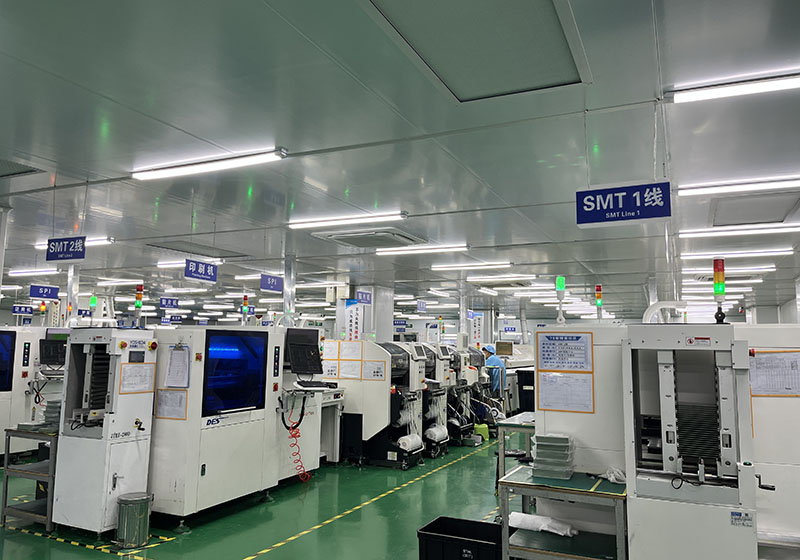
Our production floor features high-precision SMT lines equipped with Yamaha pick-and-place machines and Heller reflow ovens. This tooling allows us to handle complex boards with components down to 01005 footprints. We have extensive experience placing Ball Grid Arrays (BGA) and Ultra-Fine BGAs (uBGA) with pitches as narrow as 0.3mm, ensuring reliable solder joint formation under X-Ray inspection.
Beyond standard chip arrays, we manage complex Package-on-Package (PoP) assemblies, QFN, QFP, SOIC, and PLCC packaging. Every run uses automated optical inspection (AOI) after solder printing and reflow stages to check component alignment, polarity, and solder volume. This preventative approach minimizes assembly issues and maximizes yield.
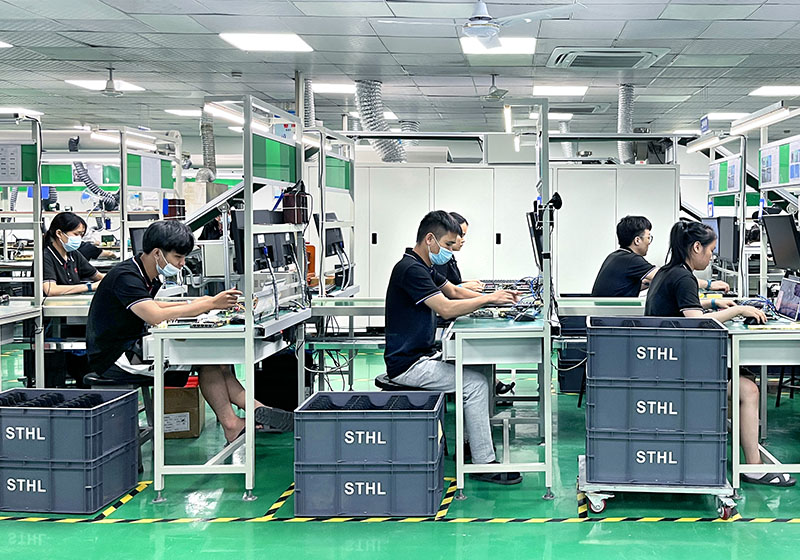
For components exposed to high mechanical stress, thermal expansion, or high currents, THT remains essential. STHL excels at both manual and automated through-hole insertions. We use customized wave soldering fixtures to protect sensitive surface-mount components on the bottom side of double-sided boards during processing.
Our THT processes are fully compliant with RoHS and lead-free soldering directives. Our technicians are trained to IPC-A-610 Class II and Class III standards, ensuring proper solder fillet formation and component clearance. Post-soldering, all assemblies are cleaned and undergo visual and functional testing to verify electrical continuity and build quality.
How STHL addresses component shortages, optimizes manufacturing yields, and prepares for future technology standards.
In today's fast-moving semiconductor market, supply chain disruptions can delay production by months. STHL addresses this through active BOM optimization and global sourcing networks. We maintain strong relationships with authorized electronic component distributors (including Arrow, Avnet, DigiKey, Mouser, and local OCM partners in the Shenzhen ecosystem) to source genuine, certified components. We cross-reference components against databases like SiliconExpert to flag end-of-life (EOL) or obsolete parts early in the process. When parts are hard to find, our engineering team can identify functional equivalents and drop-in replacements, providing alternative design options during the prototyping phase to keep production on schedule.
As electronic packages continue to shrink and high-density interconnect (HDI) designs become more common, STHL is continuously updating its technology roadmap. We are upgrading our lines with smart MES (Manufacturing Execution Systems) to track individual boards by laser-etched barcodes throughout the SMT process. Our plans include upgrading to 3D X-Ray (AXI) systems to improve inspection of hidden solder joints, such as those on bottom-termination components. Additionally, we are expanding our automation capabilities by integrating collaborative robots (cobots) for final mechanical assembly and packaging, reducing manual handling and increasing overall consistency.
STHL specializes in adapting PCBA designs for diverse operating environments. Our products are deployed globally in several key areas:
| Industry Sector | Typical PCBA Application | Core Technical Requirements | Compliance Standard |
|---|---|---|---|
| Medical Devices | Telemedicine hubs, ECG monitors, clinical imaging workstations | Low-leakage currents, high signal-to-noise ratio, trace traceability | ISO 13485, IPC Class III |
| Automotive Subsystems | Motor control units (MCUs), battery monitors, smart LED lighting | High thermal cycling endurance, vibration dampening, low defects | IATF 16949, AEC-Q100 components |
| Industrial Systems | Data acquisition modules, heavy machinery controls, power grid monitors | Thick copper traces, conformal coating for humidity protection | UL 94V-0, IEC 61010-1 |
| IoT & Telecommunications | Voice assistant interfaces, wireless gateways, NVR storage controllers | Impedance control, RF signal path optimization, compact layout | FCC Part 15, CE Marking |
Answers to common technical, logistics, and quality questions about sourcing PCBAs from China.
Explore our technical assemblies shipping to industrial markets across North America, Europe, and Asia-Pacific.
 STHL PCBA