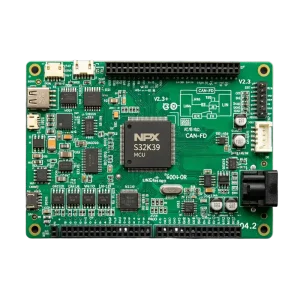
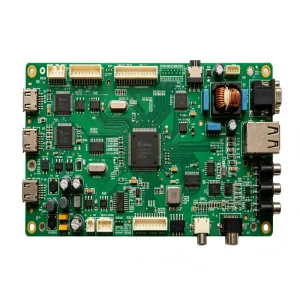
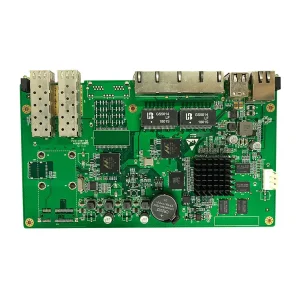
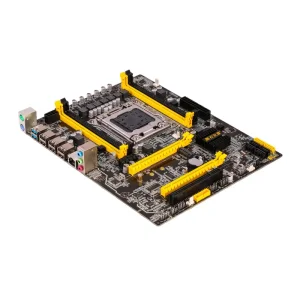
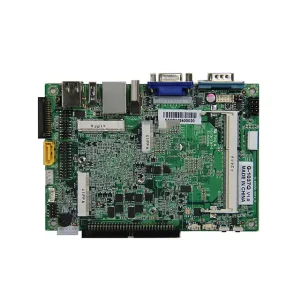
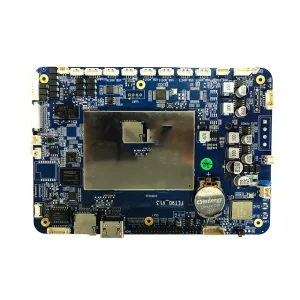
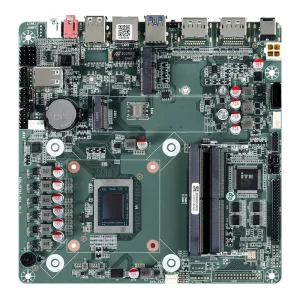
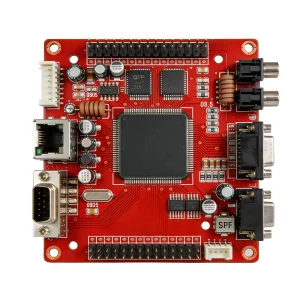
High-precision PCBA designs manufactured at our state-of-the-art facilities
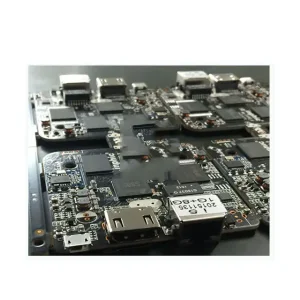
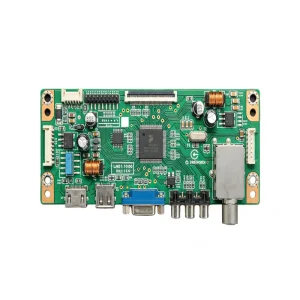
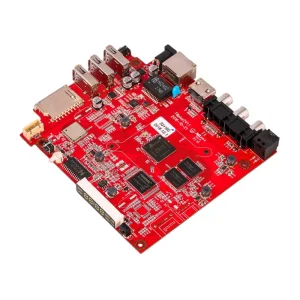
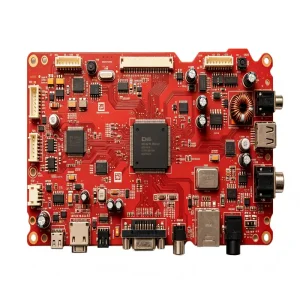
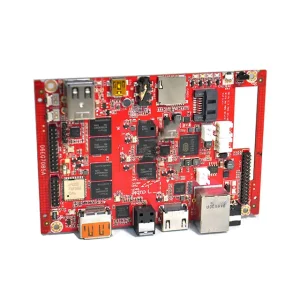
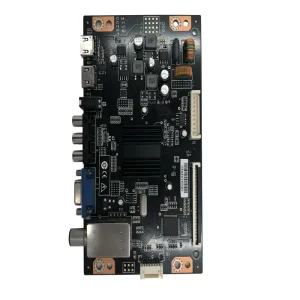
In modern electronic systems, standard FR-4 laminates quickly reach their performance thresholds due to high signal attenuation, dielectric losses, and thermal limits at gigahertz frequencies. For advanced communication networks (5G/6G), automotive millimeter-wave radar, and aerospace avionics, designers turn to specialized High-Frequency (HF) laminates from Rogers Corporation. A professional China Rogers PCB factory provides the critical link between these high-performance materials and commercial scale, offering precise machining and assembly services that preserve the excellent dielectric characteristics of these complex substrates.
"Rogers materials like the RO4000 and RO3000 series offer engineered dielectric constants (Dk) and extremely low dissipation factors (Df), maintaining signal integrity up to frequencies exceeding 77 GHz. However, processing these materials requires dedicated tooling, modified plasma treatment parameters, and custom reflow profiling."
China Rogers PCB factories have evolved beyond basic circuit fabrication. They have integrated vertical capabilities to handle hybrid multi-layer stack-ups (e.g., combining Rogers laminates with cost-effective FR-4 cores), precise micro-via drilling, and high-density packaging (HDI) integration. This technical synthesis allows companies worldwide to achieve optimal high-frequency performance at a balanced price-to-performance ratio.
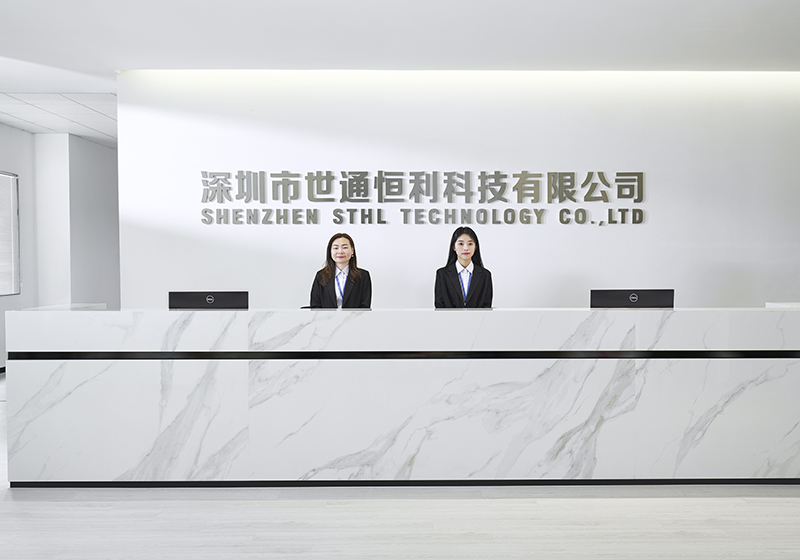
Shenzhen STHL is a premier, high-quality provider of electronics manufacturing services (EMS) based in China. We serve a diverse, global customer base across the entire industry lifecycle. Our engineering portfolio spans PCB design layout optimization, strategic component sourcing, precision PCB fabrication, high-yield PCB assembly (PCBA), custom cable assembly, turnkey box-build assembly, and rigorous functional testing services.
Established in 2006, STHL has built a robust reputation on 20 years of experience in electronics contract assembly manufacturing. Today, our organization operates with over 220 skilled personnel inside a modern 10,000 square-meter facility. This footprint houses 7 fully automated SMT assembly lines, 2 DIP/THT lines, 2 dedicated functional testing systems, and 2 complete finished device (box-build) assembly lines.
Our manufacturing processes conform strictly to the most demanding regulatory frameworks. STHL maintains active certifications in IATF 16949 (Automotive Quality Management), ISO 9001 (General Quality Standards), ISO 14001 (Environmental Management), and ISO 13485 (Medical Devices Quality Management). This ensures that every high-frequency PCB assembly or Rogers board configuration meets lead-free RoHS standards and client-specified reliability metrics.
Sourcing Rogers PCBs directly from a specialized factory in China offers clear logistical, technological, and financial benefits for global hardware developers. These advantages are built on years of structural integration within the Pearl River Delta electronics ecosystem:
Direct partnerships with Rogers Corporation material distributors guarantee authentic laminate supplies (RO4350B, RO4003C, RO3003, RT/duroid) with full trace records, avoiding counterfeit risks.
By leveraging integrated PCB design, high-speed CNC drilling, plasma de-smearing, and surface finishing under a single roof, we compress standard high-frequency lead times from weeks to days.
Our engineers specialize in hybrid multilayer structures (e.g., Rogers layers for RF signal routing, backed by FR-4 layers for power distribution). This drastically reduces raw material costs.
Furthermore, China's PCB engineering pool is highly proficient in precision drilling and controlled-depth milling. Rogers laminates are thermoset glass-reinforced materials or PTFE-based fluoropolymer composites. PTFE is notoriously soft and prone to deformation during drilling, needing optimized chip loads and custom feeds. Our manufacturing lines run with calibrated high-speed spindles and premium cutting bits, eliminating board delamination, pad lifting, and fiber tear-out.
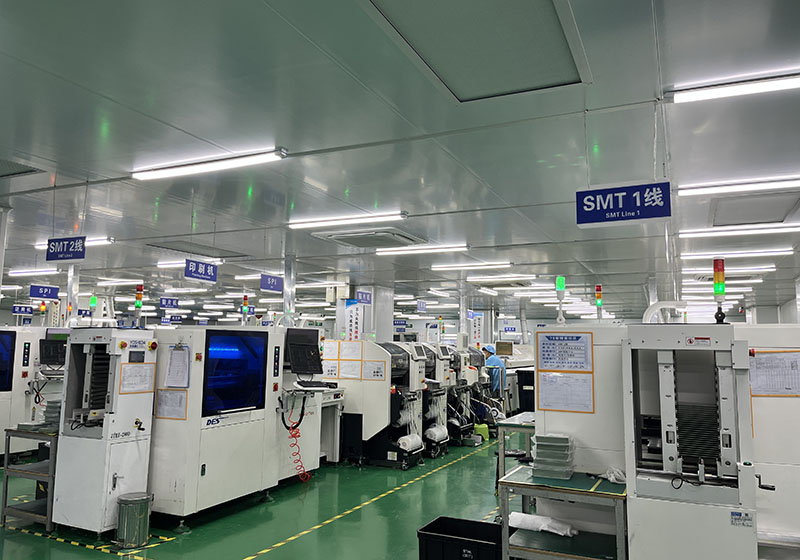
At STHL, we handle a wide range of advanced components with extreme precision. High-frequency boards require accurate component placement to prevent capacitive mismatch or signal disruption. Our SMT capability includes:
Our commitment to quality extends beyond basic placement. High-density Rogers and FR-4 mixed boards undergo automated inspection protocols. We utilize 3D Automated Optical Inspection (AOI) and high-definition X-Ray Inspection systems to verify solder joint integrity beneath BGA and QFN components, ensuring void-free and robust connections.
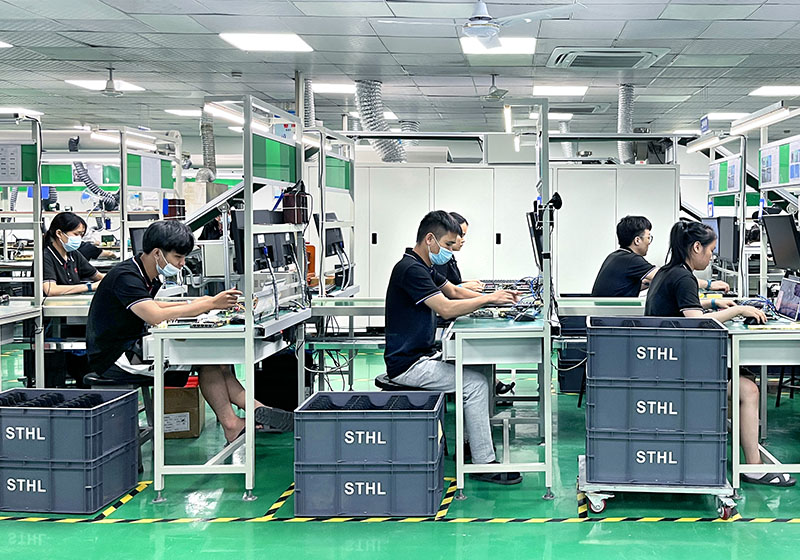
STHL also excels in Through-Hole Technology (THT) assembly. While SMT dominates high-speed signal pathways, high-power components, rugged connectors, and critical filters require the mechanical support of through-hole soldering. Our THT services include:
From bare board fabrication to fully tested, boxed retail products ready for global distribution.
STHL operates 7 automated PCB assembly lines for both prototype and mass production. Advanced SMT ensures precise component placement and quality. Skilled technicians provide efficient THT assembly and RoHS-compliant lead-free soldering.
STHL PCB fabrication service produces high-quality, reliable printed circuit boards from simple singles to complex multi-layers, from flex PCB to rigid-flex PCB. We use premium materials and controlled processes to meet precise specifications.
STHL offers global electronic component sourcing and supply chain solutions. Our vast supplier network and expertise ensure access to genuine, certified parts, mitigating risks of counterfeits, allocation, and long lead times to secure your production schedule.
With precision manufacturing of cable assembly components including handles, retention systems, connectors, and shielding in a wide range of materials and finishes, we perform successful cable assembly for many customers from various industrial applications.
Consolidating your projects at STHL from SMT assembly to box build assembly is cost-effective and fast to market. Covering everything from putting a PCBA into the enclosure with all functions testing to a complete product packaging ready for distribution, we supply the full support.
STHL conducts rigorous functional testing (FCT) to verify product performance, preventing defects such as circuit issues, missing components, or parametric deviations. This ensures delivered products are stable and fully qualified.
The deployment of high-frequency laminates like Rogers PCBs is crucial across several high-growth industrial sectors. China factories play a key role in adapting these materials to specific applications:
In systems like the Air Data Inertial Reference Unit (ADIRU), signal latency and temperature-induced dielectric drift can compromise critical navigation flight data. Standard laminates fail under rapid temperature changes (-55°C to 125°C). By implementing Rogers RT/duroid or RO4000 series with low CTEs, STHL provides aerospace developers with stable dielectric constants. This stability ensures reliable signal phase coherence in avionics sensors and tracking antennas.
With autonomous driving vehicle deployment, 77 GHz radar sensors are now standard safety equipment. Radar designs require tight control over substrate dielectric thickness tolerances and copper foil roughness to minimize insertion loss. China Rogers PCB factories process these thin-core RF structures alongside heavy copper layers. This enables integration with On-Board Chargers (OBC) and Motor Control Units (MCU) that manage high thermal loads.
Small-cell transceivers and phased-array antennas rely on Rogers substrates to achieve high data throughput and low noise figures. Incorporating high-conductivity finishes such as Electroless Nickel Immersion Gold (ENIG) or Immersion Silver prevents skin-effect losses. This is critical for millimeter-wave bands, where high skin-depth resistance causes signal attenuation.
Global purchasing departments face three main risks when importing high-frequency printed circuit boards: authentic laminate validation, SMT voiding control, and compliance with specialized testing standards. Addressing these risks requires robust quality systems.
At STHL, our global component sourcing network uses API integrations with authorized component distributors. This setup prevents gray-market entry, ensuring all passive components and silicon chips are fully traceable. For high-frequency Rogers laminates, we match factory manufacturing lot numbers directly with batch certificates from the manufacturer.
"Reliability validation is crucial for high-frequency PCBs. STHL provides comprehensive validation options, including Flying Probe testing, custom automated test equipment (ATE) setups, cross-section analysis, and thermal shock testing, ensuring compliance with IPC-A-610 Class 3 specifications."
Additionally, Rogers laminates are more hygroscopic (moisture-absorbent) than FR-4. Standard manufacturing can trap moisture inside the board layers, causing internal delamination during high-temperature reflow. Our facilities prevent this by storing all laminates in temperature-controlled, humidity-monitored dry cabinets. We also dry-bake panels before SMT processing to ensure reliable, high-yield assembly.
Technical and operational insights on processing Rogers PCB substrates in China.
Rogers 4350B features a UL 94V-0 flame retardant rating, making it suitable for commercial consumer electronics and industrial applications. Rogers 4003C does not use a flame retardant chemistry, which offers a slightly lower dissipation factor (Df). However, 4003C requires additional UL considerations in end-product certifications.
We use specialized bondply materials, such as Rogers RO4450 series prepregs, and optimize our lamination press thermal profiles. Controlling the temperature ramp rate and pressure dwell time ensures complete curing and excellent adhesion strength between dissimilar materials.
Immersion Silver (ImAg) or Electroless Nickel Immersion Gold (ENIG) are preferred. For frequencies above 20 GHz, Immersion Silver is often chosen. It avoids the nickel barrier layer used in ENIG, which can increase insertion losses due to skin-effect resistance at higher frequencies.
Our manufacturing processes achieve a standard controlled impedance tolerance of +/-10%. For demanding high-frequency designs, we can tighten this tolerance to +/-5% by using precise trace-etching controls and strict dielectric thickness monitoring.
Yes. We provide quick-turn prototyping services to validate RF designs before volume production. Our 7 SMT lines are flexible, handling low-volume runs as well as high-volume automated contract manufacturing.
PTFE substrates (like the Rogers RT/duroid series) are soft and prone to smear during mechanical drilling. We use customized drilling parameters and plasma de-smearing systems to treat the hole walls, ensuring reliable copper plating in the micro-vias.
Engineered for durability, stability, and precise operation in demanding environments
 STHL PCBA