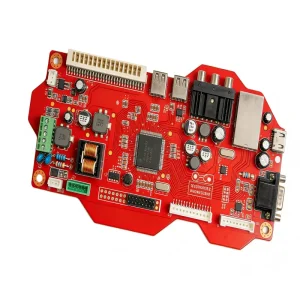
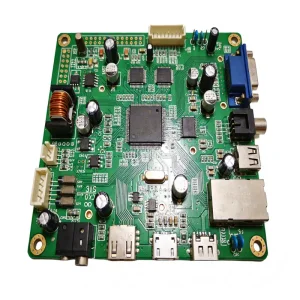
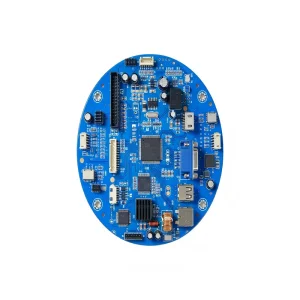
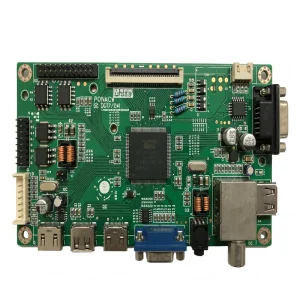
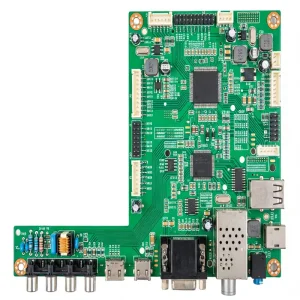
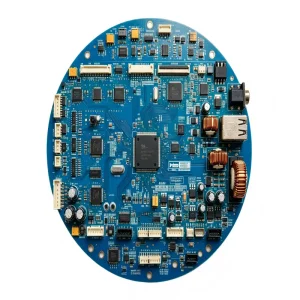
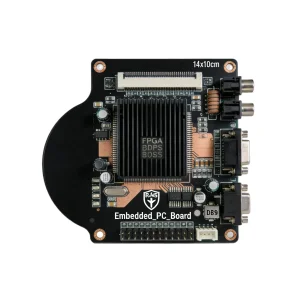
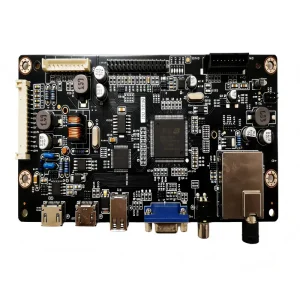
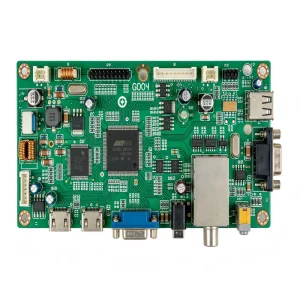
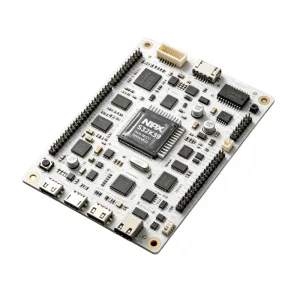
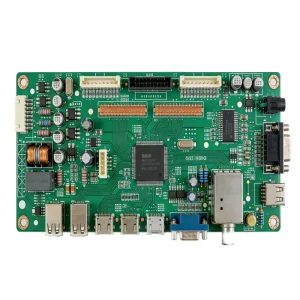
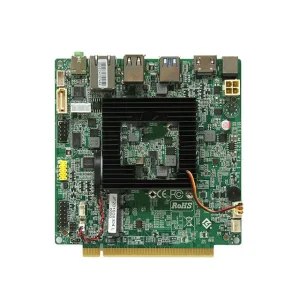
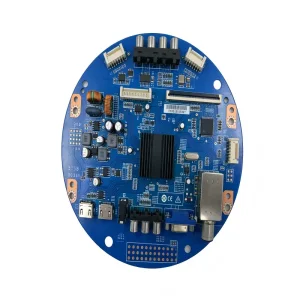
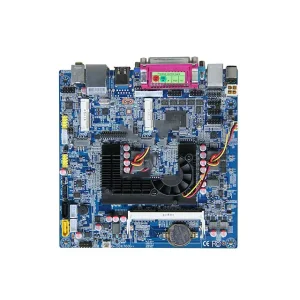
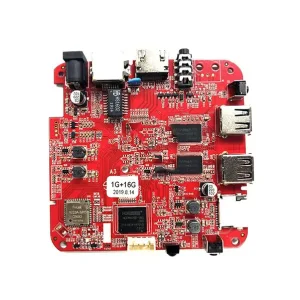
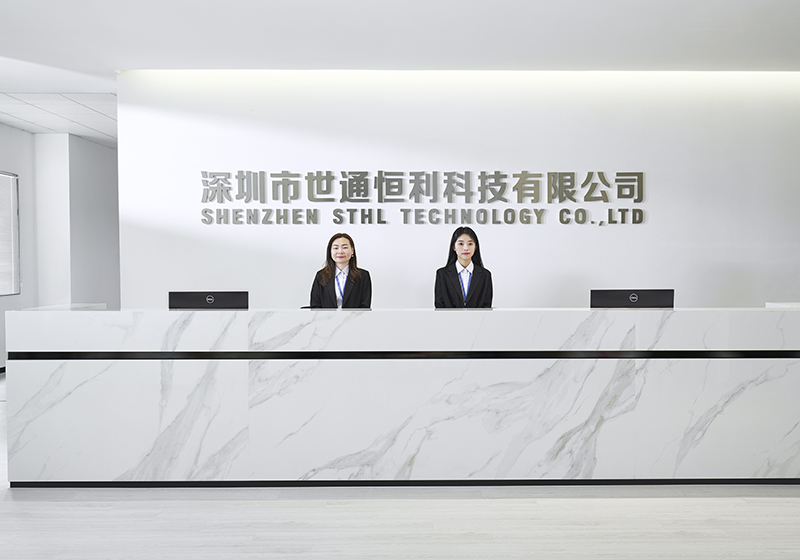
Shenzhen STHL is a high-quality provider of electronics manufacturing services (EMS) in China. We serve customers worldwide along the whole industry chain, including PCB layout, components sourcing, PCB fabrication, PCBA assembly, cable assembly, box build assembly, and comprehensive testing services.
Established in 2006, STHL brings 20 years of experience in electronics contract assembly manufacturing. Our operations have expanded to over 220 staff members. Our 10,000 sqm facilities include 7 SMT assembly lines, 2 DIP/THT lines, 2 function testing lines, and 2 finished device assembly lines.
At STHL, we provide electronics assembly services for energy power, communications, automotive, medical, consumer electronics, computers & storage, safety & security, commercial, and industrial products. Our customers are mainly from the USA, Germany, Italy, the UK, Poland, New Zealand, Argentina, Brazil, Turkey, Korea, Thailand, and over 90 other regions worldwide.
As an IATF16949, ISO9001, ISO14001, and ISO13485 certified electronics assembly manufacturer, we produce products that comply with RoHS standards and quality guarantees. Based on our engineering and production capacities in technical areas such as materials analysis & storage, advanced equipment, reliability testing (AOI, X-RAY, ICT test, and function test), and high-efficiency SMT and THT assembly, we are recognized as a long-term reliable PCBA vendor by customers worldwide. Welcome to visit the STHL factory at any time.
Surface Mount Technology (SMT) is the backbone of modern electronics. At STHL, we process SMT assemblies to achieve high solder joint integrity and electrical reliability. Our machinery handles fine-pitch components down to 01005 chips, ensuring high yields on dense multi-layer boards.
We can handle a wide range of advanced components, including:
Our commitment to quality goes beyond component expertise. We utilize advanced inspection techniques, including AOI (Automated Optical Inspection) and 3D X-Ray inspection, to guarantee flawless assembly. We verify inner-layer solder connections, joint void percentages, and lead alignments on BGA footprints to identify defects before they reach the testing phase.
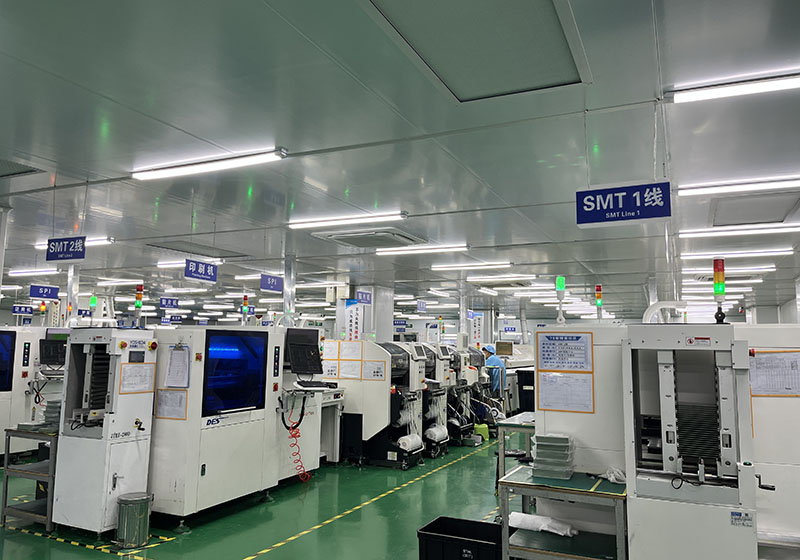
While SMT dominates high-density designs, Through-Hole Technology (THT) remains essential for components that undergo mechanical stress or high thermal loads, such as connectors, power relays, and heavy transformer packages. STHL excels in THT assembly, providing strong solder joints.
Our THT capabilities encompass:
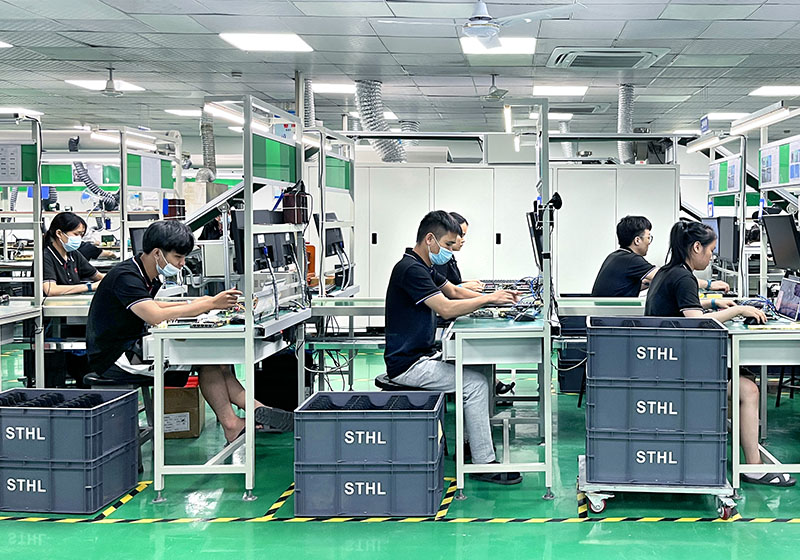
STHL operates 7 automated PCB assembly lines for both prototype and mass production. Advanced SMT ensures precise component placement and quality. Skilled technicians provide efficient THT assembly and RoHS-compliant lead-free soldering.
STHL PCB fabrication service produces high-quality, reliable printed circuit boards. From simple single-sided boards to complex multi-layer stackups, and from flex PCB to rigid-flex PCB, we use premium materials and controlled processes to meet precise specifications.
STHL offers global electronic component sourcing and supply chain solutions. Our vast supplier network and expertise ensure access to genuine, certified parts, mitigating risks of counterfeits, allocation, and long lead times to secure your production schedule.
With the precision manufacturing of cable assembly components, including handles, retention systems, connectors, and shielding in a wide range of materials and finishes, we perform custom cable assemblies for various industrial applications.
Bringing your projects to STHL, from SMT assembly to complete box build assembly, is cost-effective and fast. Covering everything from putting a PCBA into the enclosure with full function testing to a complete product assembly packaged and ready for delivery, we provide full support.
STHL conducts functional testing (FCT) to verify product performance, preventing defects such as circuit issues or missing components. This ensures that delivered products are stable and fully qualified for operation under real-world conditions.
The global Surface Mount Device (SMD) and Surface Mount Technology (SMT) industries are undergoing a major transition, driven by the demands of high-frequency communications, AI-accelerated computing, electric vehicles (EVs), and IoT networks. Manufacturers must adapt to maintain high yields and reliability. Key trends transforming the SMD field include:
With smart wearable technology and compact consumer devices scaling down, the industry is shifting towards 01005 (0402 metric) and even 008004 components. Placing these micro-components requires pick-and-place equipment with micron-level positioning repeatability, highly consistent solder paste viscosity control, and advanced SPI (Solder Paste Inspection) systems.
High-quality factories are integrating SMT machines with MES (Manufacturing Execution Systems). This allows for real-time tracking of thermal profiles in reflow ovens and feedback loops from AOI (Automated Optical Inspection) systems to upstream printers. The result is minimized drift, reduced rework, and end-to-end component traceability.
High-power electronics—such as LED High Bay applications, solar inverters, and automotive drivetrains—demand advanced thermal management. SMT factories must adapt to process Metal Core PCBs (MCPCBs) and ceramic substrates, using specialized lead-free reflow profiles to prevent thermal shock and component warping.
For global procurement heads, choosing an SMT manufacturing partner is not just about price. It is about mitigating supply chain risks, ensuring consistent component quality, and verifying environmental compliance. Professional buyers look for suppliers that excel in the following areas:
The global component market can be volatile. High-quality SMT manufacturers maintain direct relationships with authorized component distributors like Arrow, Avnet, and DigiKey. An open BOM (Bill of Materials) procurement process, complete with Manufacturer Certificate of Conformity (CoC) validation, is essential to block counterfeit parts.
Early-stage engineering collaboration helps reduce total production costs. Expert SMT factories provide complimentary Design for Manufacturability (DFM) reports before fabricating PCBs, identifying issues like improper solder mask clearances, potential tombstoning risks, and poor thermal relief layout configurations.
Medical and automotive electronics require complete traceability. Each printed circuit board assembly (PCBA) should feature a unique barcode, laser-etched onto the substrate. This allows buyers to trace the exact supplier reel, SMT batch, operators, and functional test logs for any board in the field.
High-velocity markets require flexible production. Leading factories configure their production floors with dedicated, quick-turn prototyping lines that operate alongside high-volume mass production systems. This enables rapid configuration changes and speeds up time-to-market.
Different sectors demand distinct manufacturing standards. A one-size-fits-all approach does not work when dealing with medical devices, industrial IoT, or high-reliability power systems. STHL designs specific workflow solutions for these markets:
Adhering strictly to IATF 16949 guidelines, our automotive manufacturing workflow guarantees zero-defect targets. We implement AOI inspections after paste printing, after reflow, and after wave soldering, combined with 3D X-ray inspection. This process ensures the structural integrity of BGA balls and joints in mission-critical applications like Heads-Up Displays (HUD) and advanced driver-assistance systems (ADAS).
In compliance with ISO 13485, STHL maintains clean, ESD-controlled assembly areas for medical-grade devices, including biometric monitors. We prioritize component lifecycle tracking, risk analysis, and clean flux removal processes to protect devices from dendrite growth and potential field failures.
From wind turbine controls to smart home gateways, industrial boards endure harsh operating conditions. We offer heavy-copper PCB fabrication, selectively applied thick conformal coatings, and automated thermal cycling testing (burn-in testing) to protect components against moisture, dust, and temperature variations.
Partnering with an overseas SMT factory requires clear intellectual property protection, reliable logistics, and environmental compliance. STHL provides a secure interface for international clients:
STHL respects client engineering designs. We establish Non-Disclosure Agreements (NDAs) with all clients and utilize secure internal servers for handling CAD, Gerber, and BOM data. Our production environments are monitored 24/7 to safeguard design concepts from unauthorized access.
We adhere to global standards, including RoHS, REACH, and WEEE regulations. Our factory uses lead-free solder paste (typically SAC305) and flux formulations that minimize environmental impact. This ensures that your products meet the strict import requirements of the European Union, the Americas, and APAC regions.
Our engineering team is fluent in technical English, bridging communication gaps during complex DFM stages. We provide dedicated project managers for each account, ensuring fast turnaround times on design changes, engineering queries, and production updates.
As electronic components continue to shrink, the line between semiconductor packaging and PCB assembly is beginning to blur. STHL is positioning its capital investments and research towards several emerging technologies:
Placing capacitors and resistors inside the inner layers of the PCB, rather than on the outer surface, frees up space on the board. We are currently developing advanced processes to align and connect these embedded components, improving signal performance in high-frequency applications.
Wearables, aerospace systems, and complex medical probes demand high-density interconnections that bend. We are optimizing our SMT lines to handle ultra-thin polyimide substrates, utilizing customized vacuum plates and low-temperature reflow profiling to prevent substrate warping.
Moving beyond traditional AOI algorithms, we are integrating AI and machine learning into our optical inspection systems. By training algorithms to distinguish between cosmetic flaws and structural defects, we can speed up verification times while maintaining high defect-detection rates.
Here are detailed answers to common questions about SMT assembly, component sourcing, and STHL's production services.
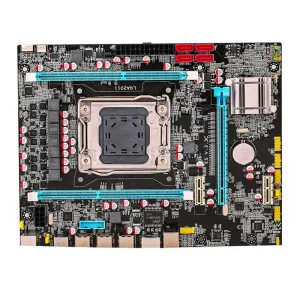
 STHL PCBA