Explore our high-performance surface mount and through-hole integrated assemblies designed for extreme reliability.
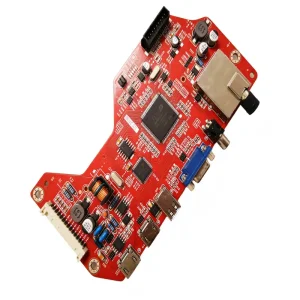
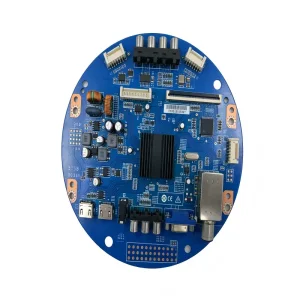
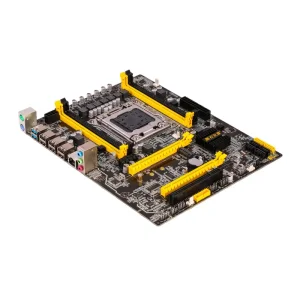
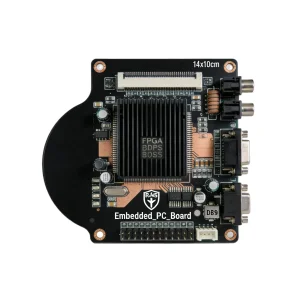
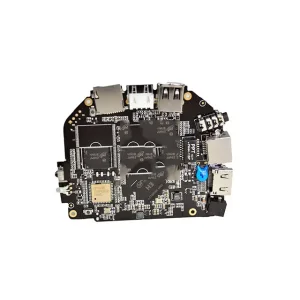
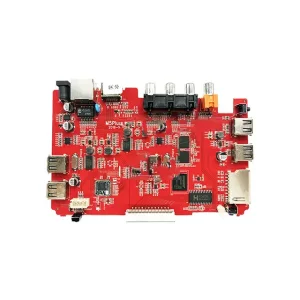
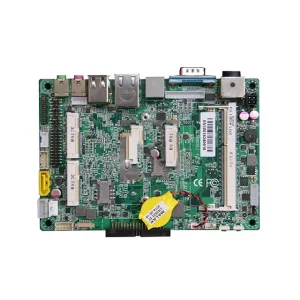
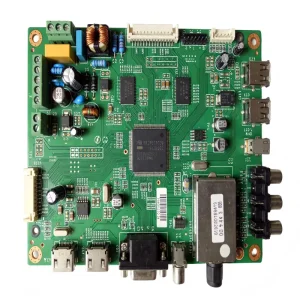
Shenzhen STHL is a premier provider of comprehensive Electronics Manufacturing Services (EMS) based in China, catering to a sophisticated global client base. We deliver end-to-end integration across the entire electronics development cycle: from schematic optimization and PCB layout analysis, premium component sourcing, rigid and flexible PCB fabrication, to complete surface-mount (SMT) and through-hole technology (THT) assembly, cable harnessing, structural box builds, and rigorous functional testing protocols.
Established in 2006, our organization leverages over 20 years of technical expertise in electronics contract assembly manufacturing. STHL maintains a highly trained staff of over 220 professionals within a modern 10,000 square meter state-of-the-art production facility. This production infrastructure includes 7 high-speed SMT lines, 2 specialized DIP/THT lines, 2 precision functional testing cells, and 2 final product build assembly and packaging lines.
We work closely with sectors demands high reliability: energy and power systems, industrial control, telecommunications, automotive electronics, medical instrumentation, advanced computing & storage architectures, security surveillance, and commercial infrastructure. Our strategic export profile covers major global markets including the United States, Germany, Italy, the United Kingdom, Poland, New Zealand, Argentina, Brazil, Turkey, South Korea, Thailand, and more than 90 other regions worldwide.
Combining the microscopic precision of Surface Mount Technology with the heavy-duty mechanical reliability of Through-Hole Technology.
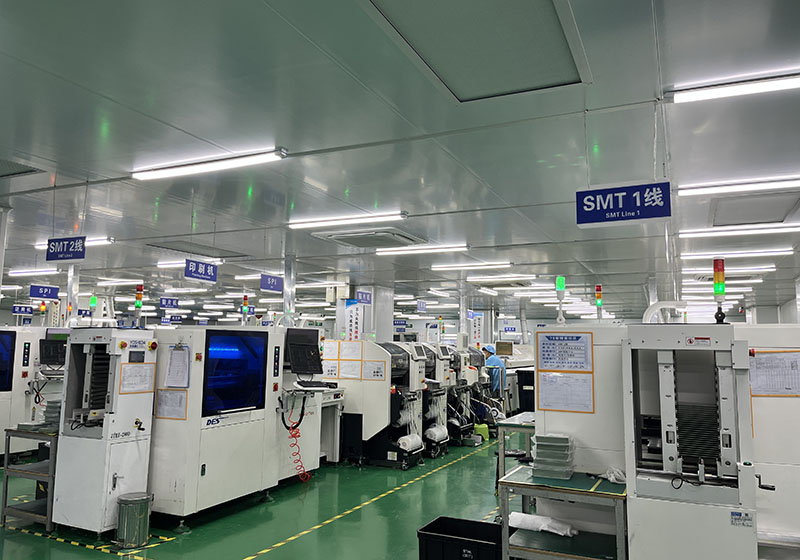
Our surface mount capabilities handle advanced packages and ultra-dense PCB designs. We ensure exceptional yields and joint reliability for complex configurations, including:
Our SMT lines use inline 3D Solder Paste Inspection (SPI), Automated Optical Inspection (AOI), and high-resolution 3D X-Ray laminography to verify every solder joint before moving to downstream processes.
Through-Hole Technology remains critical for products exposed to mechanical strain, high thermal loads, and heavy currents. STHL maintains dedicated THT lines using advanced selective and wave soldering machinery:
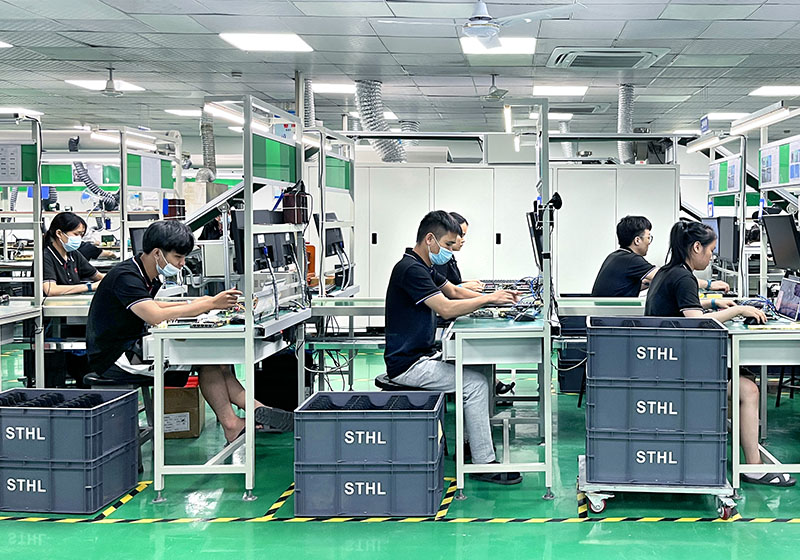
Through-hole technology is evolving. High-density designs now combine SMT and THT to support the thermal and mechanical requirements of next-generation power electronics.
Traditional wave soldering exposes the entire board to liquid solder. We use closed-loop selective soldering systems to apply flux and heat to individual through-hole pins, protecting nearby fine-pitch SMT components from thermal stress.
Our engineering team designs boards for Pin-in-Paste (PIP) reflow, allowing through-hole components to be soldered using SMT reflow ovens. This reduces wave-soldering steps, shortens production time, and lowers processing costs.
As electric vehicles and green energy systems require higher power densities, we utilize heavy copper traces (up to 6 oz) with through-hole joints to support continuous currents over 100A while maintaining reliable thermal paths.
| Manufacturing Parameter | SMT Assembly Standard | THT Assembly (Wave/Selective) | Integrated Mixed Assembly (PIP) |
|---|---|---|---|
| Mechanical Joint Strength | Moderate (Surface tension bonding) | Superior (Pin anchors in plated through-hole) | High (Optimized paste fill in reflow) |
| Current Carrying Capacity | Low to Moderate (Restricted by pad area) | High to Excellent (Supports heavy copper pins) | Moderate to High (Requires specialized paste) |
| Thermal Resilience | Standard (Susceptible to shear stress) | Excellent (Handles severe thermal cycling) | High (Uniform expansion characteristics) |
| Cost Profile (High Volume) | Extremely Low Per Joint | Moderate (Fixture design dependent) | Low (Eliminates secondary wave steps) |
Reliable electronic assemblies built to withstand harsh operating environments across industries.
From Electronic Stability Programs (ESP) to On-board Chargers (OBC), our THT processes resist mechanical vibration and heat inside vehicle engine compartments.
Our wind turbine controls and solar inverter assemblies feature heavy copper PCBs and robust through-hole connectors to ensure steady power grid performance.
Medical scanners and diagnostic systems require long-term signal stability. We maintain trace-level compliance and follow strict IPC Class 3 standards.
Heavy-duty PLCs, industrial gateways, and motor drives rely on through-hole components to prevent physical stress cracking at terminal block connections.
STHL offers turnkey solutions from raw design files to tested, packaged, and ready-to-ship electronic assemblies.
STHL operates 7 automated PCB assembly lines for prototype development and high-volume runs. Advanced SMT ensures precise component placement, while skilled technicians provide efficient THT assembly and RoHS-compliant lead-free wave soldering.
Our PCB fabrication service produces high-quality, reliable printed circuit boards, ranging from simple single-sided designs to complex multi-layer boards, and from flexible to rigid-flex configurations. We use premium laminates and controlled processes to meet precise specifications.
STHL provides global component sourcing and supply chain management. Our established supplier network ensures access to genuine, traceable parts, helping to mitigate counterfeit risks and manage lead times to keep production on schedule.
We manufacture custom cable assemblies and harnesses, including integrated connectors, shielding, and heavy-duty strain reliefs. Our cable assemblies are built using high-quality materials to ensure reliable connectivity in diverse industrial applications.
STHL provides cost-effective box build integration. We manage the entire assembly process—from installing the PCBA into its custom enclosure to routing internal wiring, performing system tests, and packaging finished products for direct delivery.
We conduct functional testing (FCT) along with In-Circuit Testing (ICT), Automated Optical Inspection (AOI), and X-Ray analysis. These testing procedures verify design performance and prevent manufacturing anomalies before shipment.
STHL's manufacturing facility in Shenzhen integrates local supply chains with advanced quality controls to optimize production costs and lead times.
By implementing Factory 4.0 solutions, we monitor manufacturing stages in real time. Automated optical scanners trace component paths from initial SMT placement through wave soldering to final functional testing. This reduces human error and maintains high yields across production runs.
Our location in the Shenzhen electronics ecosystem provides direct access to components and raw materials. This proximity helps reduce transit times and allows us to quickly scale production from prototype to volume runs.
We align our processes with international regulatory frameworks to ensure our assemblies meet the quality and safety standards of overseas markets, including the US, European Union, and Asia-Pacific regions.
Every PCBA undergoes multi-point inspection checks to verify structural integrity before delivery:
Common questions regarding engineering, production setups, and supply chain management for printed circuit board assemblies.
Through-hole technology (THT) provides high mechanical joint strength because the component pins pass through plated holes in the board, anchoring them securely. This makes THT ideal for high-stress connectors, heavy transformers, power switches, and automotive control modules subject to constant vibration or thermal cycling.
We use a combination of 3D Automated Optical Inspection (AOI) to verify component placement, 3D X-ray systems to inspect internal solder joints (like BGA pads), and custom functional testing (FCT) fixtures to confirm the board performs according to design specifications under active electrical loads.
We source electronic components from authorized, franchise distributors or directly from original manufacturers. For spot-buy or hard-to-source parts, our incoming inspection facility conducts functional testing, X-ray inspection, and decapsulation analysis to verify authenticity before parts reach our production lines.
Yes. We run dedicated lead-free wave soldering and selective soldering lines using RoHS-compliant alloys (like SAC305). To prevent cross-contamination, leaded and lead-free production lines are separated physically and identified clearly.
Turnkey projects typically range from 4 to 8 weeks, depending on component availability and the complexity of the enclosure tooling. We work with clients to source long-lead-time components early, helping to minimize delays during the final box build and testing phases.
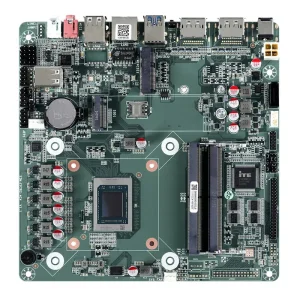
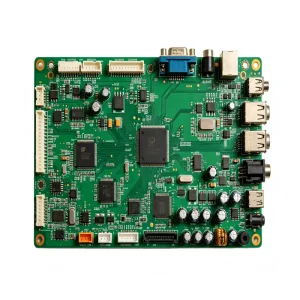
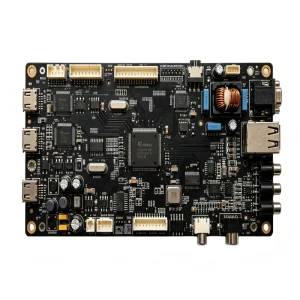
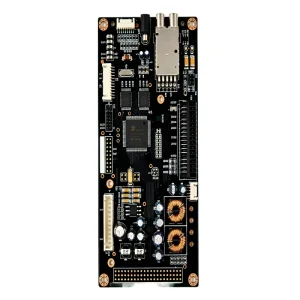
Industrial, medical, and consumer electronics assemblies built to demanding specifications.
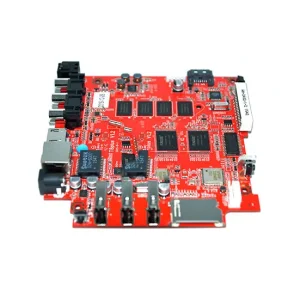
 STHL PCBA