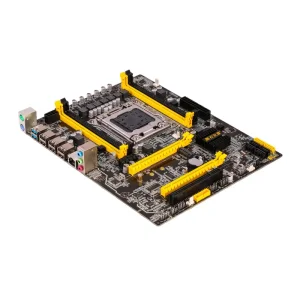
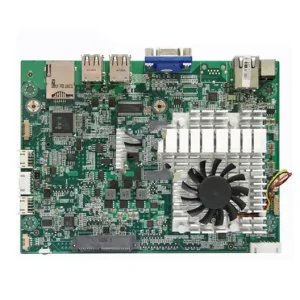
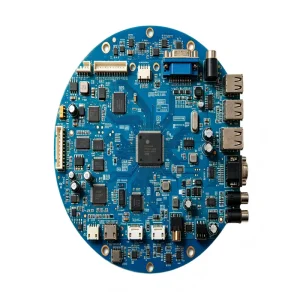
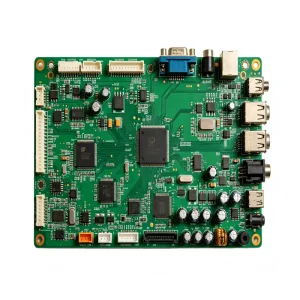
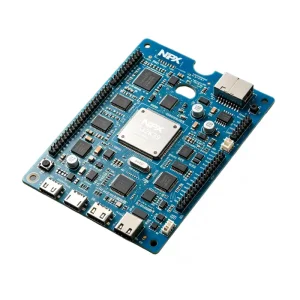
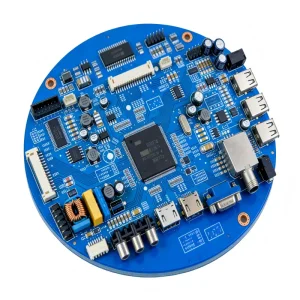
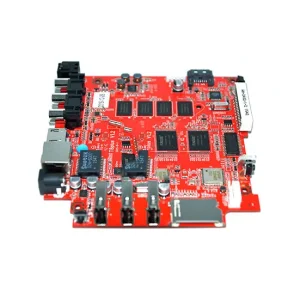
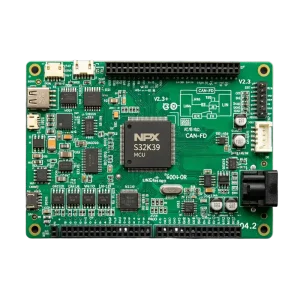
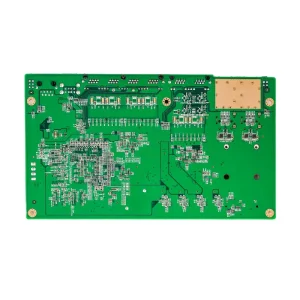
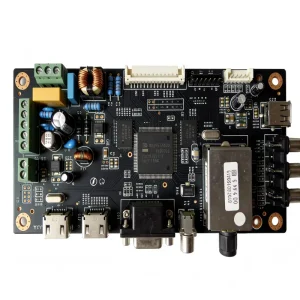
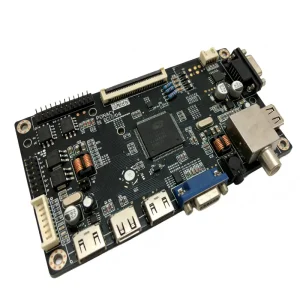
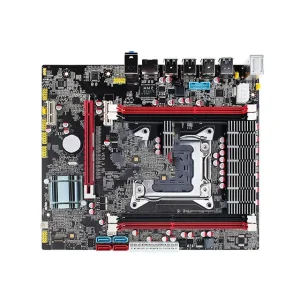
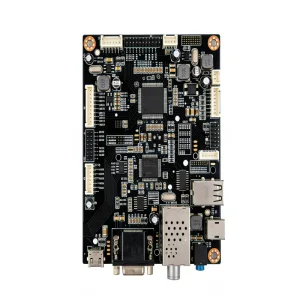
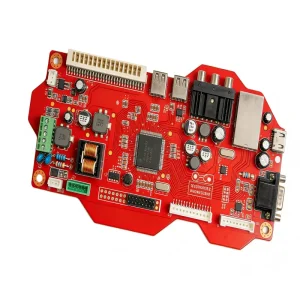
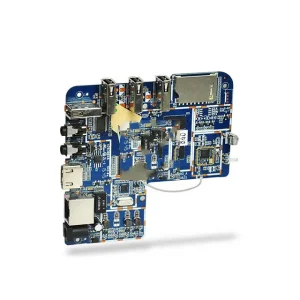
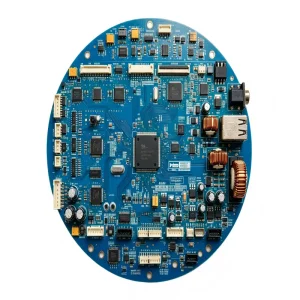
Explore our engineering capabilities across varied hardware profiles, leveraging high thermal conductivity, precision trace layouts, and certified electronics manufacturing.
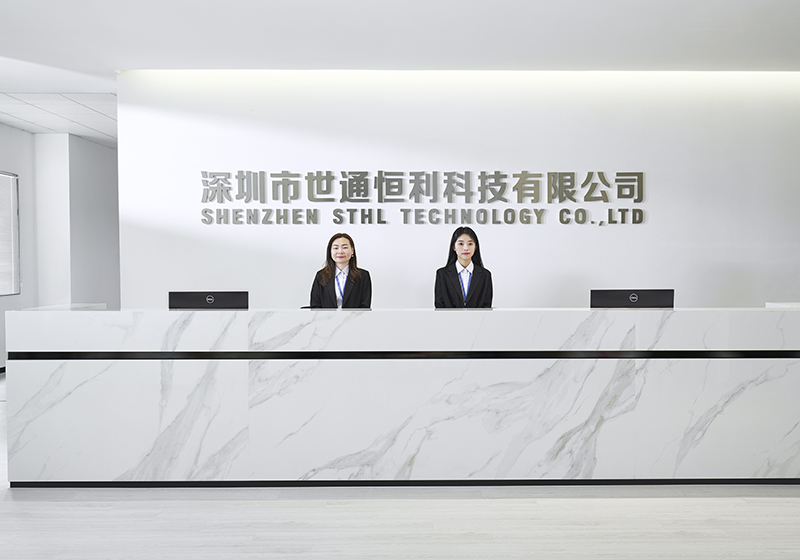
Shenzhen STHL stands as a premier, high-quality provider of electronics manufacturing services (EMS) based in China. We serve an extensive, sophisticated portfolio of customers worldwide across the entire industry lifecycle. Our capabilities include comprehensive PCB layout optimization, systematic electronic components sourcing, precision PCB fabrication, advanced PCBA assembly (both surface mount and through-hole configurations), wire harness/cable assembly, full enclosure box-build assembly, and detailed, redundant testing regimens designed for long-term field stability.
Established in 2006, STHL brings 20 years of technical expertise in electronics contract assembly manufacturing. Our modern, 10,000-square-meter facility features 7 high-speed SMT assembly lines, 2 specialized DIP/THT lines, 2 functional testing (FCT) lines, and 2 dedicated finished device assembly lines. Supported by over 220 experienced engineering and production personnel, STHL is equipped to execute both high-mix, low-volume pilot projects and high-volume commercial production runs with consistent execution.
We work with key technology sectors worldwide, including industrial power distribution, telecommunications networks, automotive systems, diagnostic medical devices, consumer products, high-density computing storage, safety systems, and automated industrial controls. Our global footprint covers key industrial markets across the USA, Germany, Italy, the UK, Poland, New Zealand, Argentina, Brazil, Turkey, South Korea, Thailand, and over 90 other regions globally.
As a certified manufacturer holding IATF 16949 (Automotive Quality Management), ISO 9001 (Standard Quality Management Systems), ISO 14001 (Environmental Protection Standards), and ISO 13485 (Medical Device Manufacturing Compliance), STHL guarantees that every assembly conforms to RoHS standards and strict reliability requirements. Leveraging analytical testing tools such as Automated Optical Inspection (AOI), X-ray inspection for high-density components, In-Circuit Testing (ICT), and customer-designed functional testing (FCT), we work to eliminate defects at the board level to ensure consistent performance in the field.
Meeting tight component tolerances and complex assembly demands with high-accuracy placement and thermal profiling.
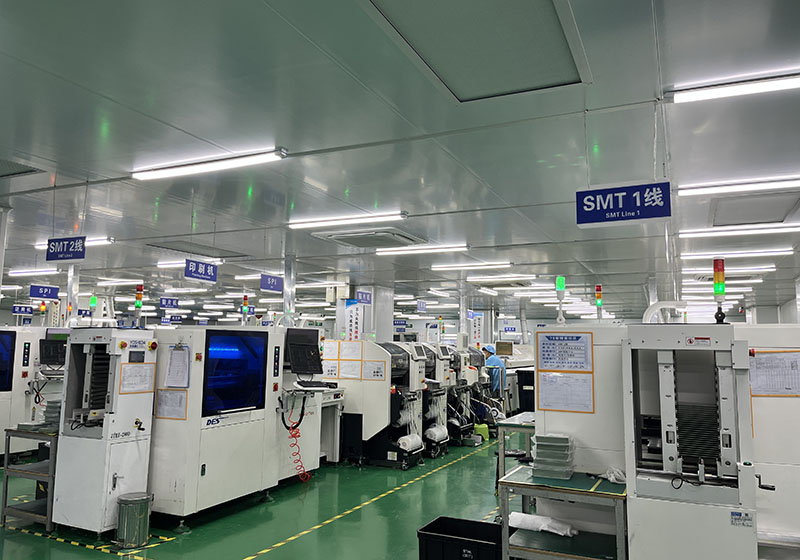
High-reliability SMT assembly on metal core substrates like aluminum requires precise control over thermal profiling during reflow soldering. Aluminum's high thermal conductivity acts as a heat sink, drawing heat away from solder joints. To address this, our SMT lines utilize multi-zone convection reflow ovens with customizable temperature profiles to ensure uniform solder melt and prevent cold joint formation.
Our surface mount capabilities include handling complex and low-pitch component footprints:
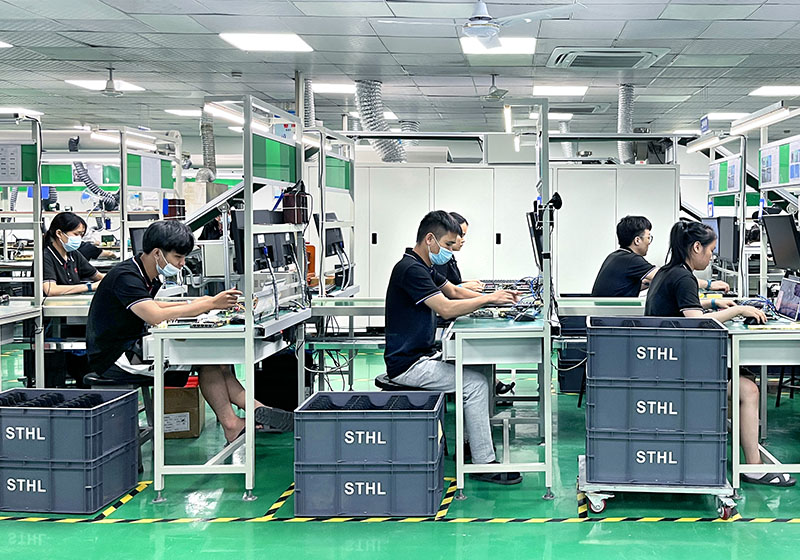
For high-power circuits, industrial power supplies, and heavy-duty terminal blocks, Through-Hole Technology remains critical. The mechanical stress profile of terminal blocks and connectors requires robust lead solder anchors. STHL integrates THT methods to manufacture hybrid board designs that match thermal capabilities with structural durability.
Our specialized THT services include:
A breakdown of our end-to-end services, supporting projects from prototype fabrication through to complete box-build delivery.
We operate 7 automated assembly lines configured to handle both rapid prototypes and large-scale production runs. Utilizing precise pick-and-place equipment and multi-zone reflow profiles, we build assemblies that meet international standards (IPC-A-610 Class 2 and Class 3) across diverse FR4 and metal substrates.
STHL manufactures standard single-sided, double-sided, and complex multi-layer PCBs, as well as rigid, flex, and rigid-flex designs. We use premium laminates and controlled plating processes to meet tight impedance requirements and maintain consistent copper layer thickness across all batches.
Our supply chain network provides global sourcing of genuine electronic components. By sourcing directly from authorized distributors and verified component makers, we mitigate counterfeit risks and secure components during market shortages, helping protect your production timelines.
We manufacture custom cable assemblies and wire harnesses for industrial applications. Our services include processing complex connectors, strain reliefs, shielding, and varied jacket materials, with complete continuity and insulation resistance testing for every assembly.
STHL offers turnkey assembly services, mounting PCBA systems into custom plastic or metal enclosures. Our box build services include routing internal cabling, installing sub-assemblies, and conducting final system testing, delivering packaged products ready for end-user distribution.
To prevent defects from reaching the field, we perform functional testing (FCT) that mimics the end-use environment. We verify communication protocols, current consumption, voltage levels, and programming integrity, ensuring that each shipped board functions according to your specifications.
How sourcing from Shenzhen, the global hub of electronics manufacturing, optimizes cost, material access, and production speed.
Sourcing metal-clad laminates and high-power circuit assemblies from Shenzhen offers distinct advantages in cost efficiency, material access, and cycle time. As the heart of the global electronics ecosystem, Shenzhen hosts a dense concentration of raw material suppliers, component brokers, and specialized testing laboratories, helping us accelerate your time-to-market.
Shenzhen provides direct access to high-quality aluminum-clad raw materials (including brands like Bergquist, Laird, Ventec, and Arlon) and copper-clad laminates. This close proximity reduces domestic transit times to hours, helping us maintain a reliable flow of raw materials even during market supply pressures.
The local ecosystem enables rapid engineering iterations. Tooling modifications, custom solder stencils, and component substitutions can be resolved within 24 to 48 hours, significantly reducing time-to-market compared to western manufacturing hubs.
With consolidated logistics and local component warehousing, we reduce overhead costs on bulk components, packaging, and custom tooling, allowing us to pass these cost savings directly to our clients without compromising quality standards.
Addressing international market requirements through rigorous quality management and dedicated global support.
For international buyers in regions like North America and the European Union, sourcing electronic sub-assemblies requires navigating complex quality systems and strict regulatory frameworks. At STHL, we address these challenges through active compliance management, documentation control, and clear communication channels.
To bridge the gap between engineering teams across different time zones, STHL provides English-speaking technical project managers. We work to resolve technical questions, design-for-manufacturability (DFM) issues, and production updates transparently, helping to keep project schedules on track.
Our quality management systems are audited and certified to meet key industry standards, helping you streamline your path to final product approval:
Every raw material batch, copper foil weight, and component lot is tracked from arrival through production and testing. In critical sectors like automotive and medical electronics, we provide full material traceability reports upon request, helping simplify your internal and external audit processes.
We work with international logistics providers (including DHL, FedEx, UPS, and ocean freight carriers) to offer flexible shipping options, including DDU, DDP, FOB, and EXW terms, ensuring safe transit of your electronic assemblies.
Why modern electronics require high-performance metal substrates for efficient thermal management.
As power densities rise in modern electronics, traditional FR4 substrates often struggle with heat dissipation. Standard FR4 has a thermal conductivity of around 0.25 W/m-K, which can lead to heat buildup, shortened component lifespans, or board failure in high-power applications. In contrast, Aluminum PCBs (often called Metal Core PCBs or MCPCBs) offer thermal conductivities ranging from 1.0 W/m-K to 8.0 W/m-K by bonding a copper foil circuit layer and a high-efficiency dielectric layer to an aluminum backing plate.
Aluminum PCBs are widely used across industries that require efficient heat dissipation in compact spaces:
High-brightness LEDs generate concentrated heat in small footprints. Aluminum PCBs transfer heat away from the LED junctions to external heatsinks, helping maintain lumen output, prevent color shifting, and extend operating life.
Used in motor controllers, DC-to-DC converters, on-board chargers, and battery management systems (BMS). The high mechanical stability and thermal efficiency of aluminum help boards withstand automotive operating conditions.
Applied in motor drives, solid-state relays, and industrial power supplies. Aluminum bases help control operating temperatures in power switching circuits using MOSFETs or IGBTs.
The growth of high-frequency power electronics and high-brightness displays is driving new developments in metal core technology. Key trends include the use of ultra-thin, high-voltage dielectric layers that maximize thermal dissipation while maintaining electrical insulation, and the adoption of hybrid multilayer boards that bond FR4 control layers directly to an aluminum thermal base. Additionally, the rise of Mini-LED backlights and high-power charging systems continues to expand the demand for high-reliability aluminum-based substrates.
Technical details, manufacturing specifications, and sourcing guidelines for Aluminium PCBs.
Browse our manufacturing capabilities across consumer devices, medical equipment, power electronics, and wireless hardware profiles.
 STHL PCBA