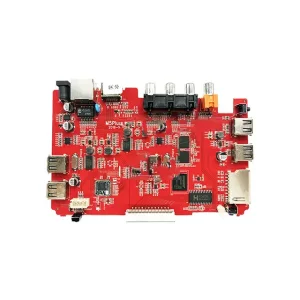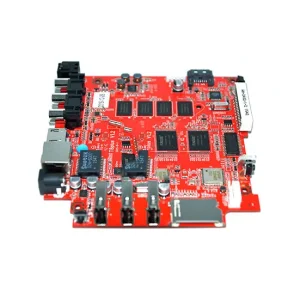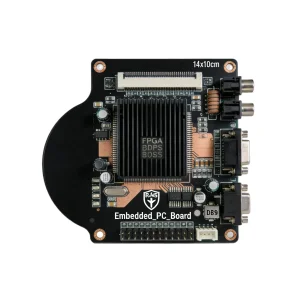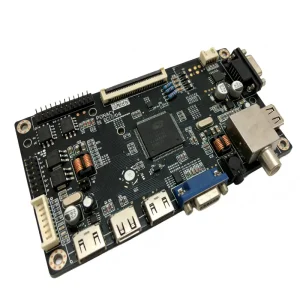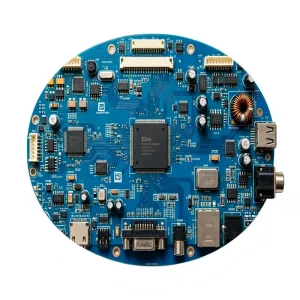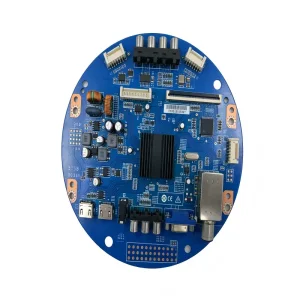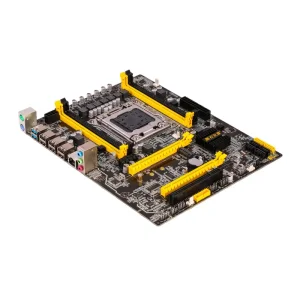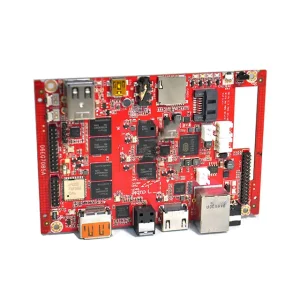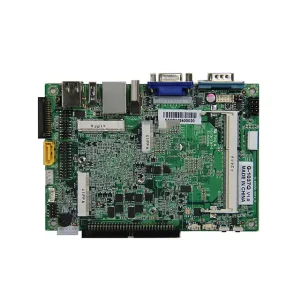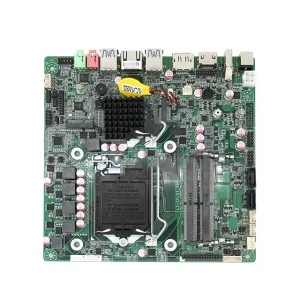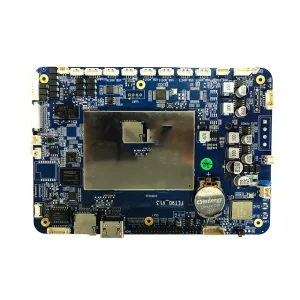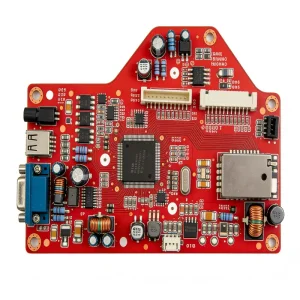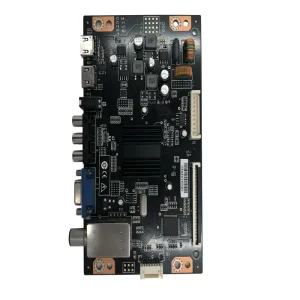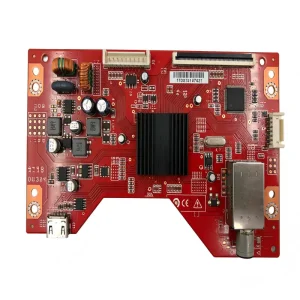
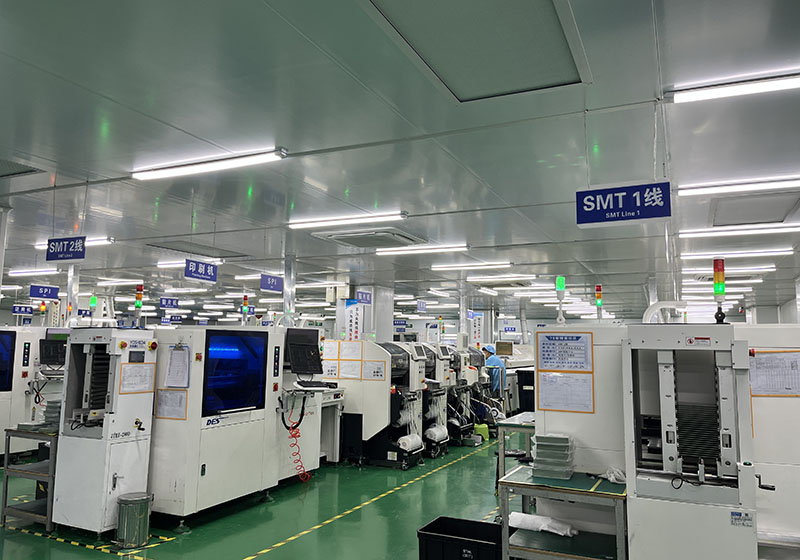
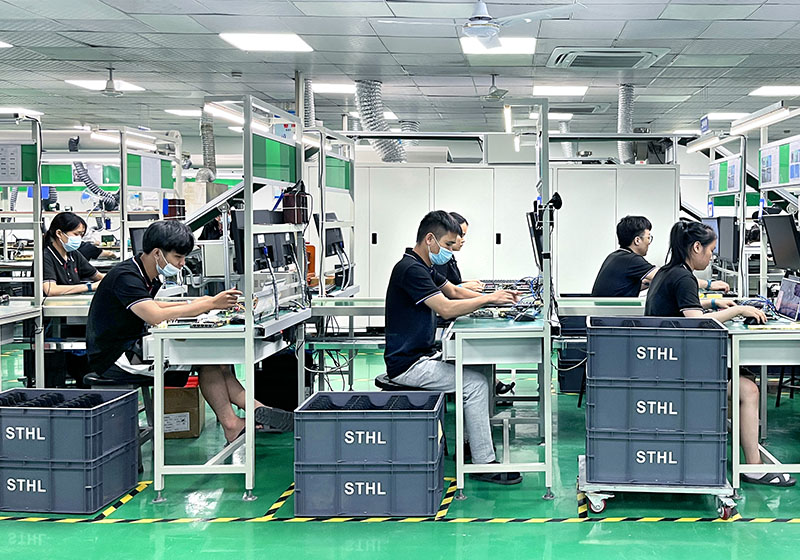
STHL operates 7 automated PCB assembly lines for both prototype and mass production. Advanced SMT ensures precise component placement and quality. Skilled technicians provide efficient THT assembly and RoHS-compliant lead-free soldering.
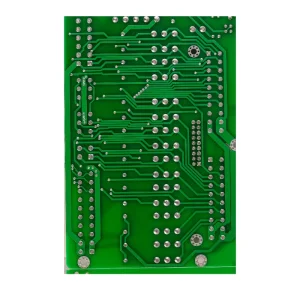
STHL PCB fabrication service produces high-quality, reliable printed circuit boards from simple singles to complex multi-layers, from flex PCB to rigid-flex PCB, we use premium materials and controlled processes to meet precise specifications.
STHL offer global electronic component sourcing and supply chain solutions. Our vast supplier network and expertise ensure access to genuine, certified parts, mitigating risks of counterfeits, allocation, and long lead times to secure your production schedule.
With the precision manufacturing of cable assembly components including handles, retention systems, connectors, and shielding in a wide range of materials and finishes, we have performed many successful cable assembly for many customers from various industrial applications.
Making your projects at STHL from SMT assembly to box build assembly is very cost-effective and fast to market. Covering everything from putting a PCBA into the enclosure with all functions testing to a complete product assembly packaged and ready for delivery to your customers, we can supply the full support.
STHL conducts functional testing (FCT) to verify product performance, preventing defects such as circuit issues, missing or incorrect components. This ensures delivered products are stable and fully qualified.
The global electronics manufacturing industry is undergoing a structural paradigm shift. Historically, Printed Circuit Board Assembly (PCBA) was treated as a transactional, low-margin assembly service. However, in the contemporary era of intelligent hardware, IoT integration, and high-frequency communication systems, PCBA has evolved into a highly specialized engineering discipline. As global supply chains become more regionalized yet deeply interdependent, selecting a Tier-1 partner in China is no longer just about cost mitigation—it is about collaborative engineering, rapid prototyping, and safeguarding IP.
In regions like Shenzhen, the aggregation of components suppliers, automated factories, and shipping hubs enables a level of manufacturing agility that cannot be replicated elsewhere. OEMs (Original Equipment Manufacturers) across North America, Europe, and Asia-Pacific face the continuous challenge of shrinking product lifecycles. To maintain market share, they require integrated, agile partners that can bridge the gap between design-for-manufacturability (DFM) and mass-market deployment.
"The modern PCBA lifecycle requires real-time closed-loop testing systems, advanced automated optical inspection (AOI), and precise material tracing to guarantee that field failures are minimized to parts-per-billion metrics."
This shift has driven companies to transition away from fragmented supply chains where boards, components, and casing are sourced from different vendors. Turnkey contract manufacturing solutions—combining PCB fabrication, component sourcing, SMT/THT assembly, and final box build integration—have become the baseline for high-reliability industries such as medical devices, automotive ADAS systems, clean energy systems, and mission-critical telemetry.
When evaluating a PCBA manufacturer, Google's Quality Rater Guidelines prioritize Experience, Expertise, Authoritativeness, and Trustworthiness (E-E-A-T). For mission-critical assemblies, trust is built on formal international certifications, transparent quality management systems, and a verified track record.
STHL's compliance framework is structured around the industry's most demanding benchmarks:
By aligning production with these international frameworks, we ensure that every board produced in our Shenzhen plant is audit-ready for our global client base across 90+ countries.
Surface Mount Technology (SMT) is the backbone of modern electronics assembly. High-density designs mandate the precise placement of sub-millimeter components, including ball grid arrays (BGA), ultra-fine BGA (uBGA), and 0201/01005 chip packages. At STHL, SMT execution is treated as a high-precision chemical and mechanical process.
Our 7 automated SMT lines are equipped with solder paste printing machines that utilize advanced 3D Solder Paste Inspection (SPI). This step is critical because over 60% of all PCBA defect types originate from substandard solder paste deposition. By evaluating height, volume, and alignment before component placement, we virtually eliminate bridge and insufficient solder defects.
For BGA and uBGA placements, coplanarity and pitch accuracy are essential. We utilize automated placement heads with high-resolution visual feedback. Post-reflow, internal connections are validated using high-resolution 3D X-Ray Inspection, which detects voids, head-in-pillow defects, and micro-cracks inside the solder spheres.
Different industries place distinct demands on electronic assemblies. Our production systems are configured to support localized application-specific testing profiles:
Component sourcing is a key factor in manufacturing schedule volatility. The global component marketplace is prone to price spikes, allocations, and counterfeit risks. STHL mitigates these challenges through a dual-sourcing model:
We maintain direct partnerships with leading global distributors (such as Arrow, Avnet, Mouser, and DigiKey) alongside a network of verified domestic component manufacturers in China. If a component goes obsolete or faces a long lead time, our components sourcing team works with engineering to identify pin-compatible, functionally equivalent alternatives.
Every incoming batch of components undergoes inspection in our dedicated QA lab. Solderability testing, component dimension checks, and decapsulation analysis are used to verify authenticity before components reach the factory floor.
Electronics manufacturing is evolving rapidly toward higher integration density, smart manufacturing, and green processes. STHL is updating its technological roadmap to support these developments:
For prototype assemblies, our lead time typically ranges from 3 to 7 working days, assuming all components are on hand. For volume production, the standard lead time is 3 to 4 weeks after receipt of PCB files and components. We also support expedited services for urgent timelines.
We purchase components directly from authorized distributors or verified manufacturers. All incoming shipments must go through visual inspection, label verification, and traceability audits. When sourcing through secondary channels, we perform additional electrical testing and decapsulation to verify authenticity.
Yes, STHL operates dedicated lead-free and lead-containing production lines. Lead-free assemblies comply fully with RoHS and REACH regulations, while lead-containing lines are used for specialized aerospace, military, or automotive applications where leaded solders are specifically requested.
Every PCBA board undergoes Automated Optical Inspection (AOI). For high-complexity boards, we perform 3D X-Ray Inspection and In-Circuit Testing (ICT). Prior to final packaging, Functional Testing (FCT) is completed using custom test fixtures to verify system performance under simulated operating conditions.
 STHL PCBA