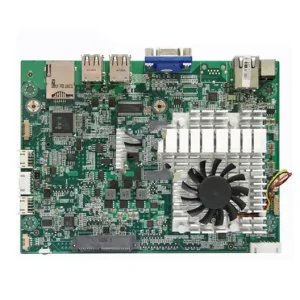
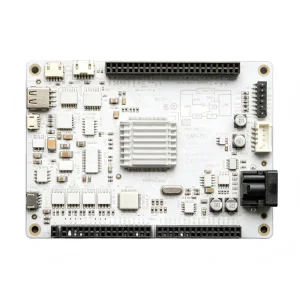
Premium Thermal Solutions, Advanced Substrate Engineering & Global Electronics Manufacturing Services
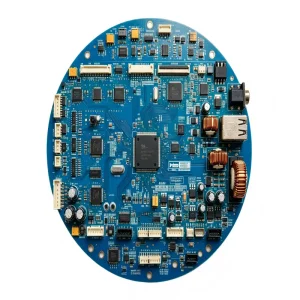
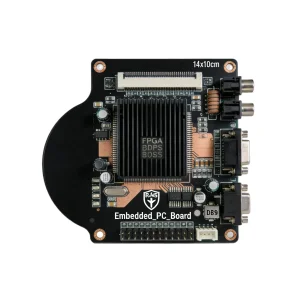
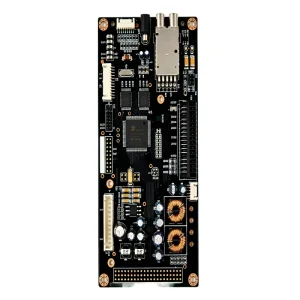
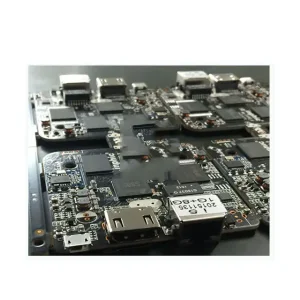
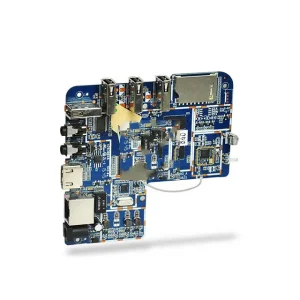
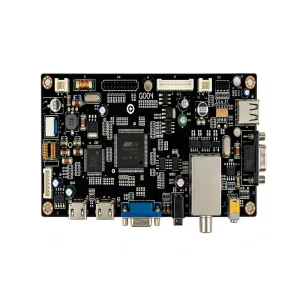
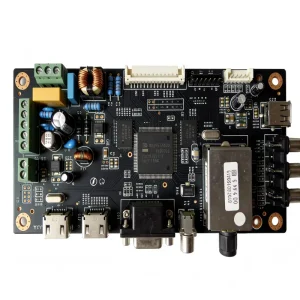
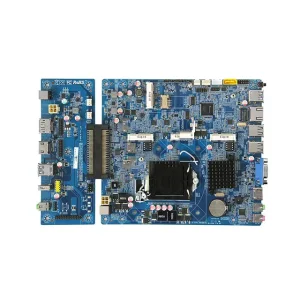
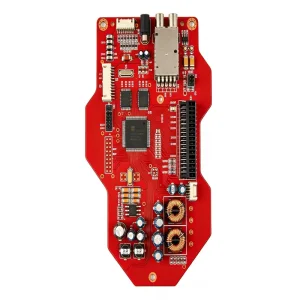
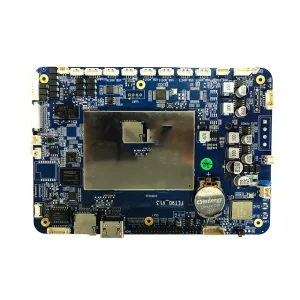
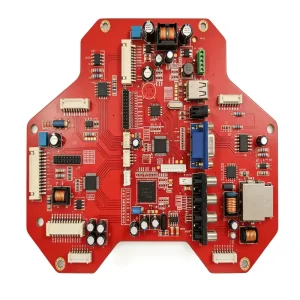
Explore our precision-engineered circuit board assemblies designed for aerospace, telecommunications, renewable energy, automotive, and mission-critical applications.
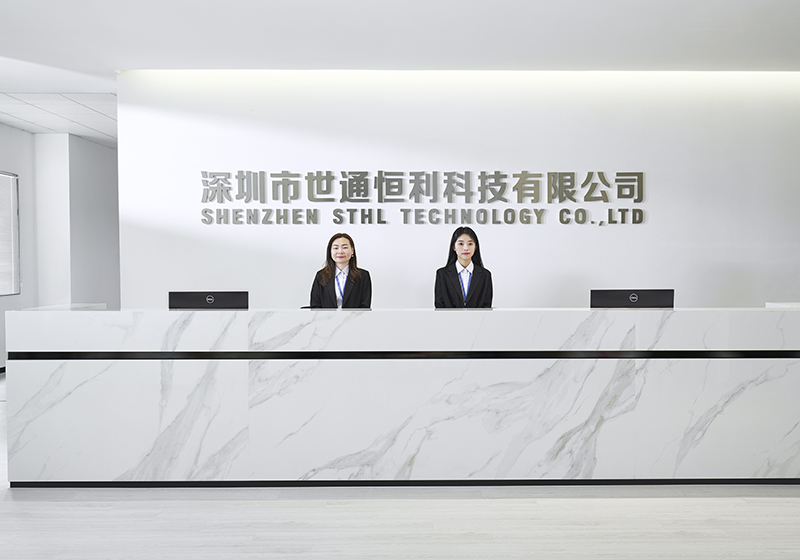
Established in 2006, Shenzhen STHL has evolved into a premier electronics manufacturing services (EMS) powerhouse in China. Serving a diverse global clientele across 90+ countries and regions—including the United States, Germany, Italy, the United Kingdom, Poland, New Zealand, Brazil, and South Korea—we cover the entire manufacturing lifecycle. From initial PCB layout optimization and component sourcing to state-of-the-art SMT/THT assembly, box build integration, and complex testing protocols, STHL is your trusted strategic partner.
Spanning a modern 10,000 sqm production facility, our factory integrates advanced machinery operated by 220+ highly skilled professionals. Our facility is engineered for high yield and efficiency, housing 7 fully automated SMT assembly lines, 2 DIP/THT lines, 2 dedicated functional testing lines, and 2 complete finished device assembly lines. We serve major industries such as renewable energy, high-frequency telecommunications, automotive electronics, advanced medical devices, consumer tech, and heavy industrial automation.
Understanding why ceramic substrates are replacing FR-4 in high-temperature, high-frequency, and high-voltage electronics across global commercial and defense domains.
Standard FR-4 boards offer a thermal conductivity of roughly 0.25 W/mK. In contrast, Alumina (Al2O3) ceramic substrates provide 24-30 W/mK, while Aluminum Nitride (AlN) reaches over 170-230 W/mK. This enables instantaneous heat dissipation in high-power systems.
Ceramic substrates possess a CTE (approx. 4-8 ppm/°C) that matches silicon semiconductor chips perfectly. This minimizes thermal shear stresses during thermal cycling, preventing solder joint fatigue and micro-cracking in high-power modules.
Featuring low dielectric loss (tan δ) and extremely stable dielectric constants (Dk) up to gigahertz ranges, ceramic circuit boards ensure minimal signal degradation. This makes them crucial for 5G/6G RF microwave electronics and radar systems.
A comparative evaluation of ceramic materials and fabrication technologies to guide your design choices.
| Material / Metric | Thermal Conductivity (W/mK) | CTE (ppm/°C) | Dielectric Strength (kV/mm) | Key Application Target |
|---|---|---|---|---|
| Alumina (Al2O3 - 96%) | 24 - 30 | 6.8 - 7.2 | 15 - 20 | LEDs, Automotive Sensors, Resistor Networks |
| Alumina (Al2O3 - 99.6%) | 30 - 35 | 7.0 - 7.5 | 18 - 22 | Thin-film High-Frequency Hybrid ICs |
| Aluminum Nitride (AlN) | 170 - 230 | 4.5 - 4.8 | 15 - 20 | High-Power IGBTs, CPV, Laser Diodes |
| Beryllium Oxide (BeO) | 250 - 280 | 6.5 - 7.0 | 20 - 25 | Defense RF, High-Energy Physics (Toxic Processing) |
| Silicon Nitride (Si3N4) | 90 | 3.2 | >20 | Extreme Ruggedness, EV Powertrain Converters |
Depending on the operating current and mechanical requirements of your design, we implement four key metallization methods:
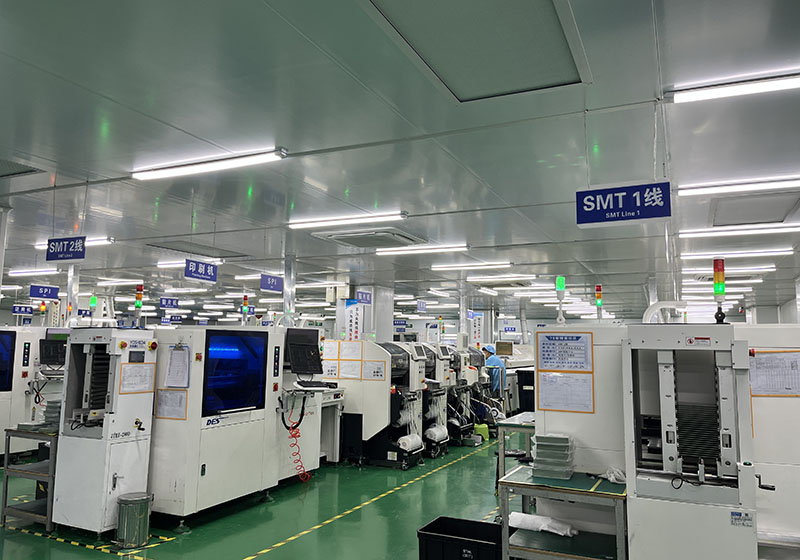
STHL specializes in high-precision surface mount technology (SMT) optimized for challenging component packaging. We accommodate complex ceramic PCB structures that present specific thermal profiling requirements. During reflow, ceramics act as large heat sinks, necessitating custom reflow profiling to prevent thermal shock and guarantee perfect solder joints.
Our SMT capability checklist includes:
Despite the industry shift toward SMT, Through-Hole Technology (THT) remains essential for high-stress components such as heavy-duty terminals, high-voltage transformers, power relay switches, and large electrolytic capacitors. STHL excels in both automated wave soldering and manual THT insertion.
Our THT production features:
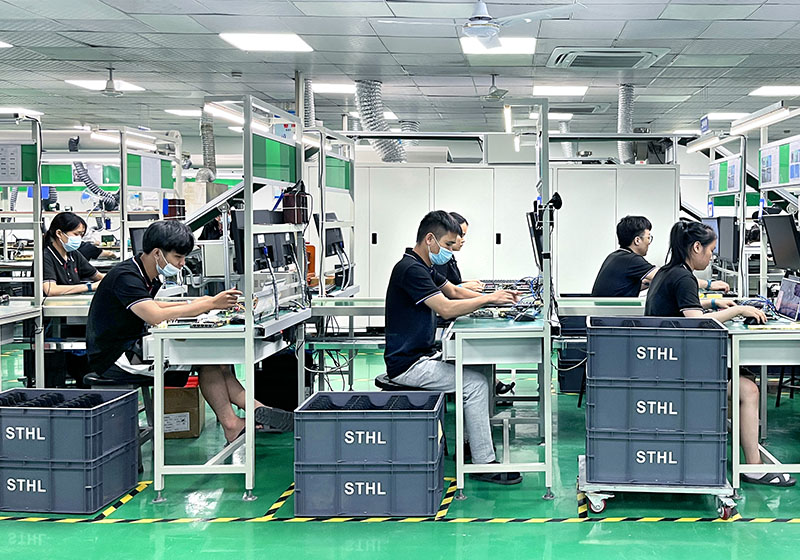
From raw board prototyping to turnkey box build integration, STHL offers a single point of accountability.
Operating 7 high-speed SMT lines and 2 THT lines. We scale from prototype runs to volume production, ensuring high placement accuracy for fine-pitch components.
Fabrication of rigid FR-4, high-frequency PTFE, polyimide flex, rigid-flex, and ceramic (Al2O3/AlN) PCBs. Multi-layer capabilities with precise control over trace and impedance tolerances.
Global supply network featuring component validation to prevent counterfeits. Direct partnerships with major component distributors minimize lead times.
Custom cable looms, wire harnesses, shielding, and termination services. Built for rugged industrial environments and tested for continuous continuity under stress.
Complete mechanical enclosure integration, potting, custom brackets, cabling, front panel assembly, and end-user packaging. Deliver drop-shipped, market-ready products.
Robust testing suites including In-Circuit Testing (ICT), flying probe testing, automated optical inspection (AOI), X-ray, and functional system testing to ensure zero defect shipments.
Our facility operates under rigorous quality management structures to support demanding global applications.
Automotive Certified
Defines the strict automotive standard for quality control, defect prevention, and supply chain variation reduction.
Medical Grade Quality
Ensures compliance with medical device industry requirements, including risk analysis and trackability protocols.
Quality Management
Standardizes quality control policies, operational processes, and continuous improvement methodologies.
Environmental Ethics
Governs waste reduction, chemical management, and energy efficiency programs throughout our manufacturing cycles.
Our custom assemblies are designed to meet the strict demands of global industries.
Systems like Air Data Inertial Reference Units (ADIRU) and Flight Control Computers (FCC) rely on ceramic assemblies. The matching CTE prevents micro-fracturing in low-temperature flight conditions and resists high atmospheric radiation.
Modern Transmission Control Units (TCUs) and electric drive inverters must withstand high temperatures. Ceramic substrates enable reliable power module switching next to engines and motors.
Wind turbine controllers and high-power solar monitoring systems operate in harsh environments. Ceramic circuits handle continuous high voltages and dissipate heat efficiently under thermal stress.
High-power LED arrays require efficient heat dissipation. Metal-backed and ceramic (Al2O3) PCBs prevent thermal buildup, maintaining color stability and extending LED operating life.
Advanced diagnostic imaging, endoscopic controllers, and operating room video monitors demand high signal integrity. Ceramic substrates ensure low noise and long-term signal stability.
Heavy duty automation equipment, motor controllers, and sensor interfaces operate near hot machinery. Ceramic boards provide electrical isolation and high physical strength in vibrating environments.
Where Ceramic Substrates & High-Density PCBA Assemblies Are Heading by 2030
As microelectronics transition toward sub-5nm chips, high-speed architectures require thinner dielectric profiles with improved thermal dissipation. STHL's engineering team is developing next-generation substrate solutions to meet these challenges:
Typical FR-4 boards degrade when operating temperatures exceed 130°C. Ceramic circuit boards maintain structural, electrical, and thermal integrity at temperatures exceeding 800°C. This makes them ideal for jet engine sensors, deep-well drilling equipment, and aerospace thrusters.
Get professional technical answers to common queries regarding design and production of ceramic circuit boards.
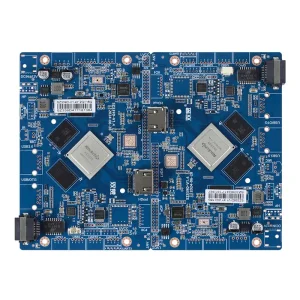
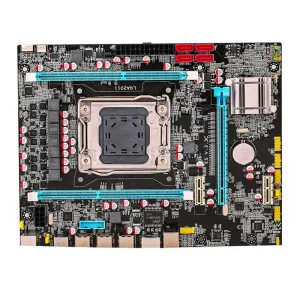
Explore our complete lineup of electronic assembly products, including flight computer assemblies and high-performance automotive transmission control systems.
 STHL PCBA