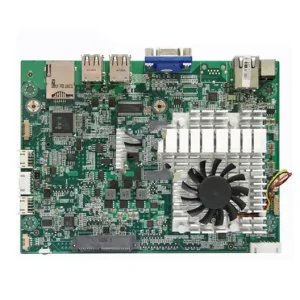
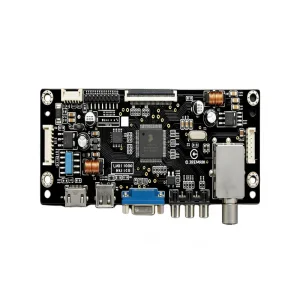
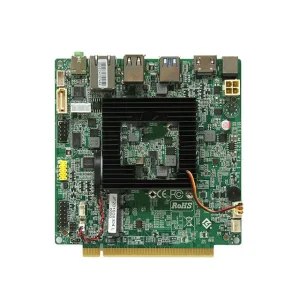
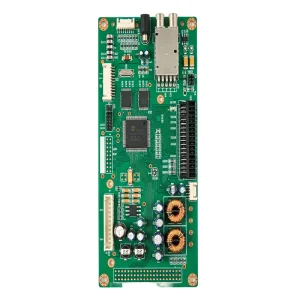
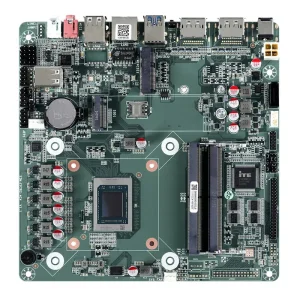
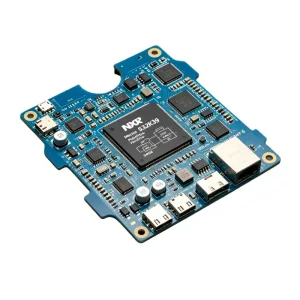
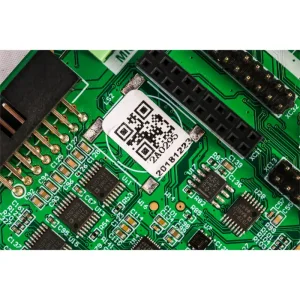
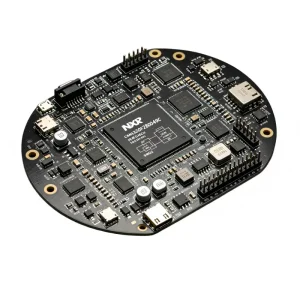
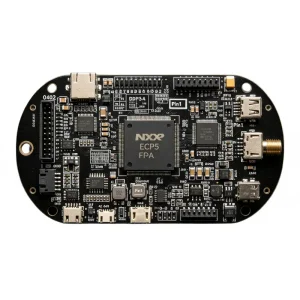
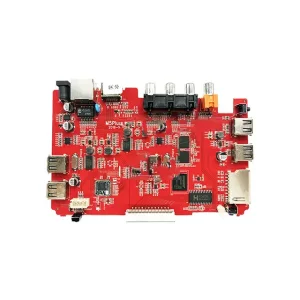
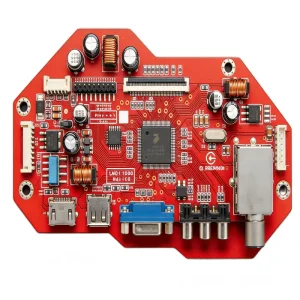
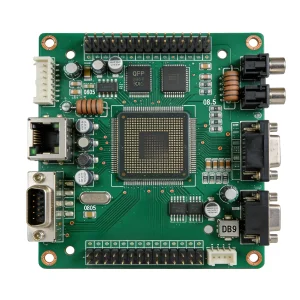
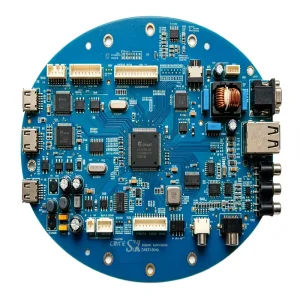
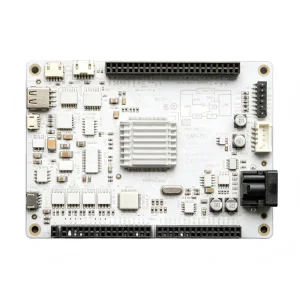
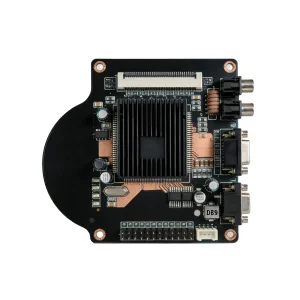
The global electronics contract manufacturing landscape is witnessing an unprecedented transition. Driven by developments in Internet of Things (IoT) infrastructure, industrial automation, medical intelligence, and electric vehicles (EV), Printed Circuit Board Assembly (PCBA) has transitioned from a basic transactional manufacturing service to a high-end engineering partnership.
To maintain operational resilience and technological superiority, global procurement directors demand more than assembly line throughput. They require strict compliance, real-time quality diagnostics, and a supply chain structure that minimizes total cost of ownership. At Shenzhen STHL, we address this demand through our refined manufacturing framework, combining local cost benefits with global execution standards.
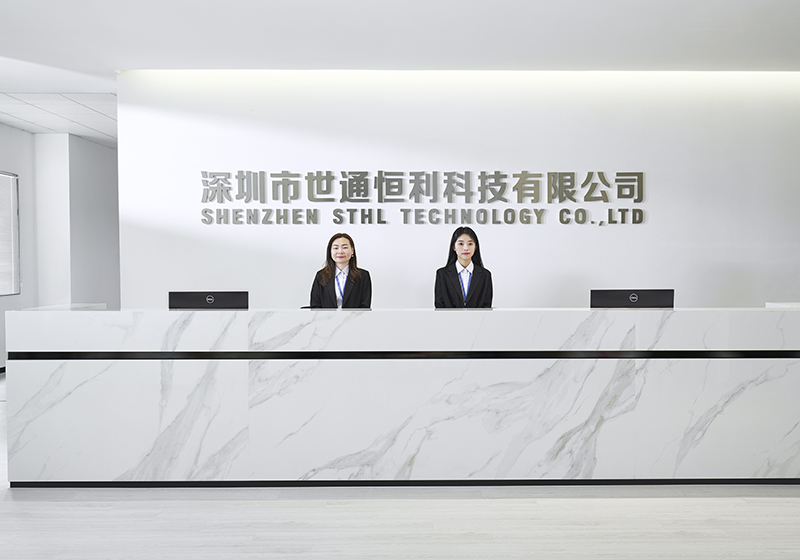
Established in 2006, Shenzhen STHL has spent two decades refining its operations as a high-quality Electronics Manufacturing Services (EMS) provider in China. We support global clients across the entire value chain: from design optimization and components sourcing to complex testing and complete box-build integration.
Our facility houses 7 automated SMT assembly lines, 2 DIP/THT (through-hole) lines, 2 specialized function testing (FCT) lines, and 2 finished product integration (box build) lines. We manufacture products that comply with RoHS standards, meeting strict criteria for clients across the USA, Germany, Italy, UK, Poland, New Zealand, Argentina, Brazil, Turkey, Korea, Thailand, and beyond. This setup makes STHL a reliable partner for organizations seeking scalable manufacturing capacity.
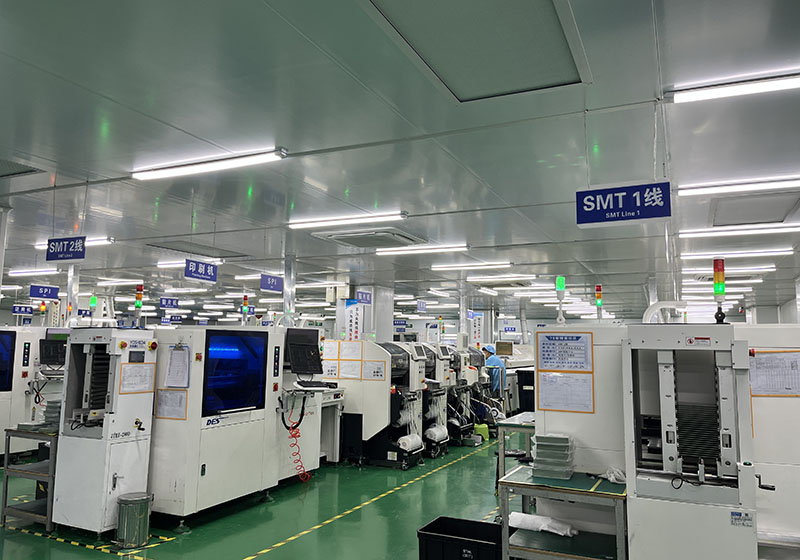
Modern circuitry requires precise component placement and thermal management. Our Surface Mount Technology (SMT) lines are configured to process dense layouts and miniature components, ensuring structural integrity and long-term reliability.
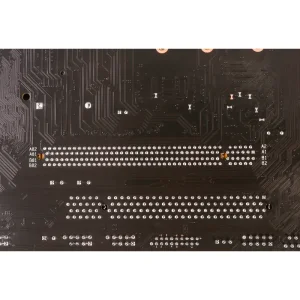
While SMT dominates small-form-factor designs, Through-Hole Technology (THT) remains essential for high-stress applications, heavy connectors, power electronics, and environments subject to mechanical vibration.
At STHL, we integrate automatic insertion machinery with manual line configurations to optimize output quality for high-mix or high-volume requirements. We design custom wave soldering fixtures to protect sensitive components and guarantee uniform solder joints across dual-inline packages (DIP) and axial/radial parts.
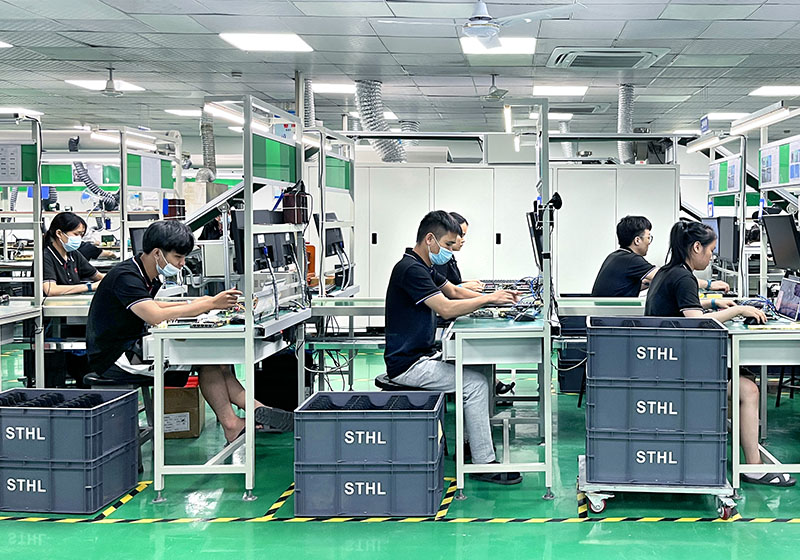
From raw materials to finished product distribution, our workflow is structured to optimize cycle times, prevent component shortages, and ensure reliable electrical performance.
We operate 7 automated lines for prototype runs and mass production. High-speed placement heads ensure component accuracy, while lead-free reflow profile monitoring guarantees thermal stability.
Offering fabrication services from single-sided prototypes to complex multi-layer, rigid, flex, and rigid-flex board technologies. We work with high-Tg materials to meet demanding operating environments.
Our global sourcing network reduces supply-chain friction. We source directly from franchise distributors and verified manufacturers, mitigating counterfeit risks and managing component obsolescence.
We manufacture custom cable harnesses and connector systems. Our cable assemblies are built with high-quality retention brackets, shielding, and jacketing to protect signal integrity.
A complete manufacturing pathway: from board-level assembly to enclosure integration, routing, hardware installation, system-level diagnostic testing, and packaging ready for end-users.
We perform Functional Testing (FCT) along with In-Circuit Testing (ICT) to check electrical paths and verify device behavior. This testing stage is designed to capture open circuits, shorts, or faulty components before shipment.
Why leading industrial brands continue to rely on Chinese production clusters, and how STHL integrates this infrastructure for global projects.
The primary strength of manufacturing in China is not only labor cost, but the density of the supply ecosystem. In Shenzhen, PCBs, active components, mechanical hardware, custom enclosures, and logistics carriers are located within close proximity. This concentration shortens product development cycles and simplifies procurement, reducing the logistics delays common in fragmented supply chains.
Moving from prototype to mass production requires flexible manufacturing lines. STHL supports low-volume, high-mix prototypes as well as millions of units in mass runs. Our engineering team conducts Design for Manufacturing (DFM) reviews prior to production, identifying design anomalies, component conflicts, or solder layout issues early to prevent production delays.
Different industries require specialized quality standards. Our boards are deployed in demanding sectors worldwide: in safety-critical automotive systems (SRS), medical anesthesia equipment, automated building security systems, solar power conversion systems, and agricultural monitoring tools. Each sector demands custom testing strategies, trace materials, and assembly parameters to ensure reliable operation under diverse environmental conditions.
Essential technical answers for procurement directors, hardware developers, and quality control engineers.
 STHL PCBA